

Can you rebuild collagen naturally after 40?
Ageing isn't simply about your skin “running out” of collagen. It's a balance between new collagen synthesis and the breakdown of existing collagen.
As we age, this balance changes and the skin produces less new collagen while existing collagen continues to break down. This can affect skin structure and make fine lines, wrinkles and changes in texture more noticeable.
Understanding how to protect the collagen you already have and support new collagen formation can help maintain skin firmness and preserve a more youthful appearance over time.
What is collagen and why is it important?
Collagen is one of the main structural proteins in the body. In the skin, it forms part of the extracellular matrix, providing strength and structural support. Along with elastin, collagen helps give younger skin its firmness and resilience.
As collagen levels and fibre organisation change with age, the skin can become thinner and less firm, making fine lines and wrinkles more noticeable.
Ageing isn't the only factor that affects collagen decline.
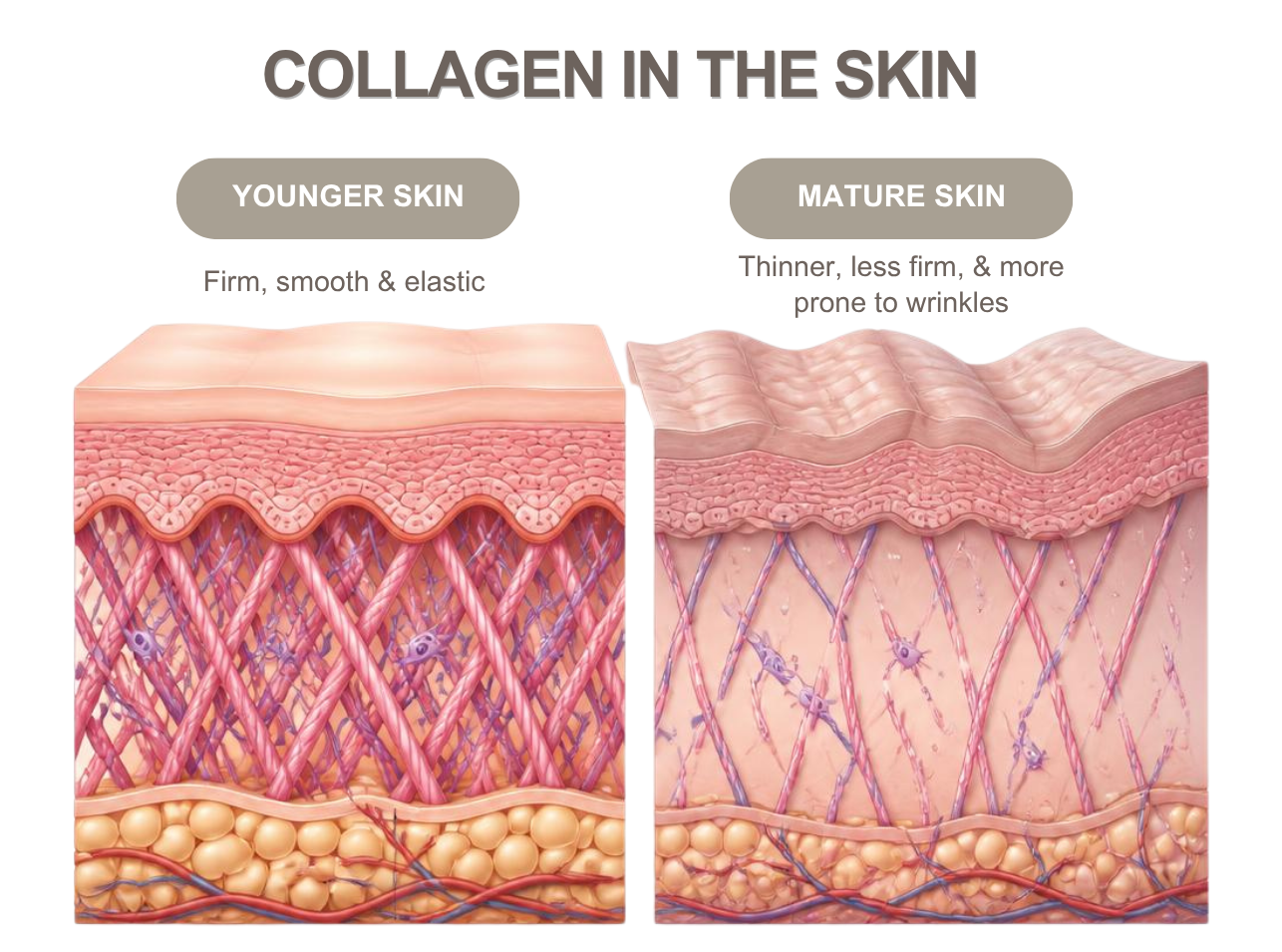
Several factors can influence collagen breakdown and the skin’s ability to maintain its collagen network, including:
Ultraviolet (UV) exposure
Oxidative stress
Chronic inflammation
Ageing-related changes in collagen turnover
This makes daily sun protection particularly important for protecting the collagen you already have.
At what age does collagen production slow down?
Collagen production doesn't suddenly stop at 40. Instead, collagen production and turnover gradually change throughout adulthood. Collagen and elastin levels are generally highest in early adulthood and decline over time, with the rate of change influenced by factors such as genetics and cumulative UV exposure.
For women, hormonal changes around menopause can further influence collagen levels and the way the skin changes with age.
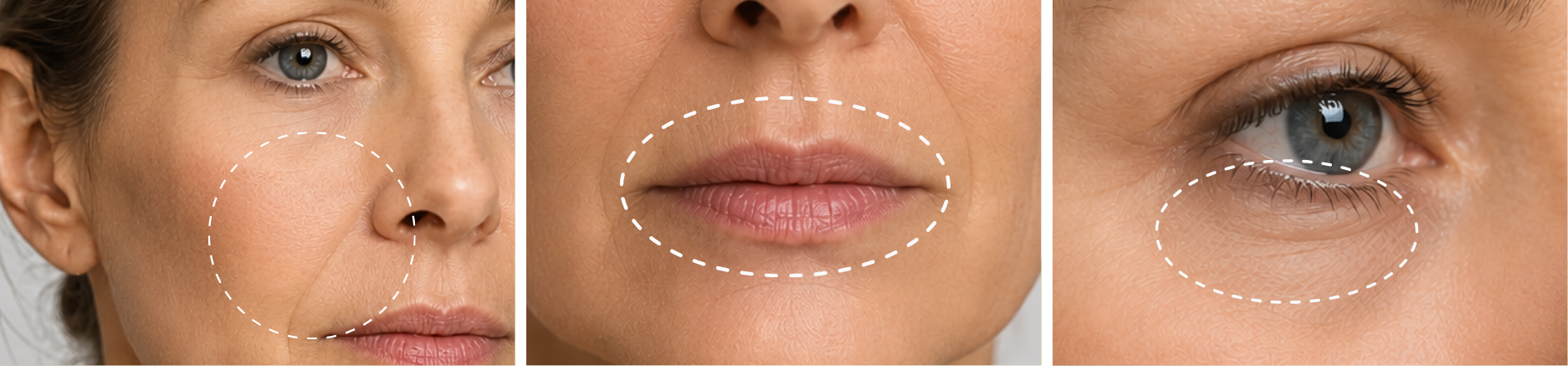
Hormonal changes and collagen production.
Hormones don't simply switch collagen production off, but declining oestrogen around menopause can have a significant effect on the skin. Research has linked declining oestrogen with changes in dermal collagen, and some studies suggest that collagen loss can accelerate during the early years after menopause.
This may help explain why some women notice more noticeable changes in skin thickness, dryness, elasticity and firmness during their 40s and 50s.
How can you support collagen production naturally?
While you can't completely prevent age-related changes in collagen, you can help protect existing collagen and support new collagen production through everyday habits:
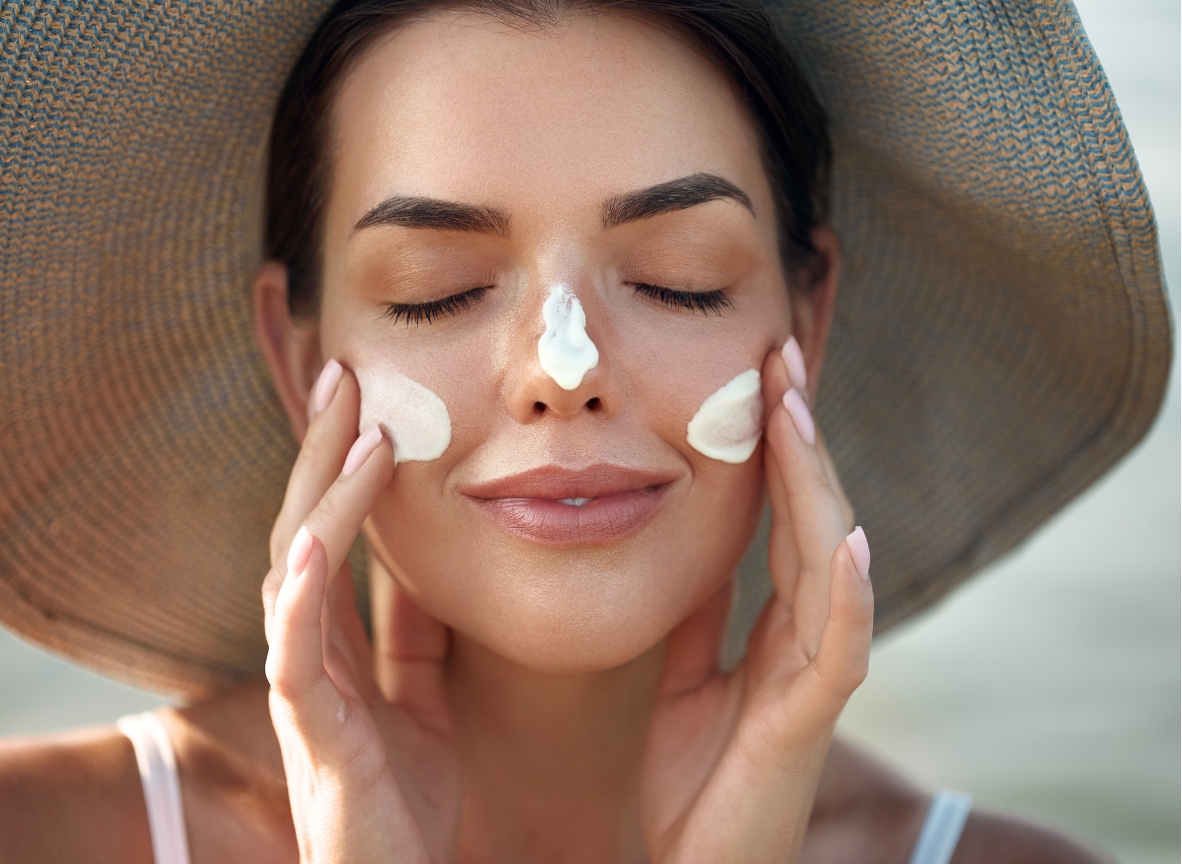
Protect your skin from UV exposure: Use a daily broad-spectrum SPF to help protect against UV-related collagen breakdown.
Eat a balanced diet: Adequate protein, amino acids, vitamin C and other nutrients support normal collagen production.
Avoid smoking: Smoking can interfere with collagen production and increase collagen breakdown.
Support overall skin health: Adequate sleep, regular physical activity and a healthy lifestyle support overall skin health and the body's normal repair processes.
What skin treatments can help stimulate collagen?
While lifestyle habits can help protect existing collagen, in-clinic treatments can stimulate the skin's natural healing and remodelling processes, which may encourage new collagen formation.
At the Dermatology Institute of Victoria, a range of laser treatments can stimulate collagen while addressing different skin concerns.
Fraxel® Dual: A fractional laser that can improve sun damage, pigmentation, uneven texture and acne scarring, while stimulating collagen remodelling.
Laser Genesis™: Uses heat to stimulate collagen production and improve overall skin texture and signs of ageing.
Alma Hybrid™: Uses three laser energies in customisable combinations to resurface and rejuvenate the skin, while addressing concerns such as wrinkles, pigmentation, scarring and sun damage.
Erbium and fractional CO₂ lasers: Offer more intensive resurfacing for deeper wrinkles, scarring, sun damage and significant textural changes, with greater downtime. These come with at least a week's downtime and are the ‘hardcore” lasers of the group.
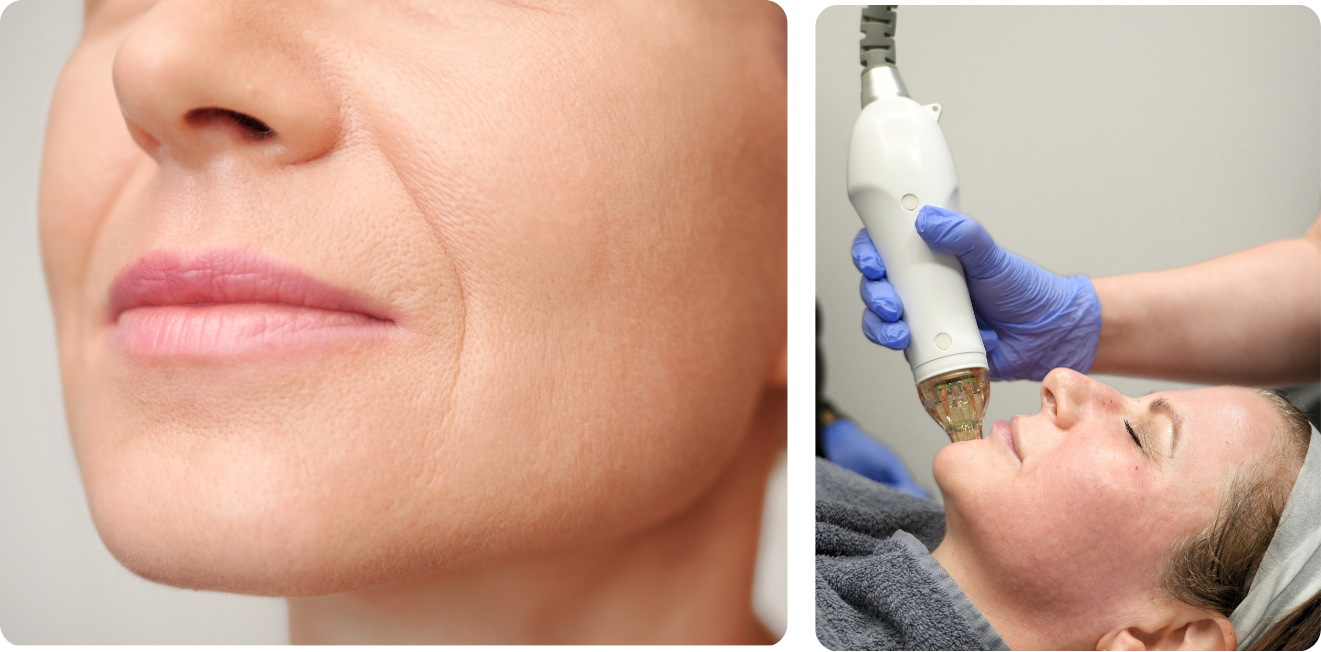
The most intensive treatment isn't necessarily the best — it depends on what your skin needs.
Different technologies are suited to different skin concerns and goals, with factors such as your skin type, the concern being treated, degree of sun damage and how much downtime you're comfortable with helping to determine the most appropriate approach.
Collagen stimulation isn't limited to laser treatments.
Other treatments such as Secret RF, Skin Needling, Ultraformer III and EmFace® use radiofrequency, microneedling or ultrasound technologies to create controlled responses within the skin that can also encourage collagen production and remodelling. The aim isn't simply to stimulate as much collagen as possible, but to choose the treatment that best addresses your individual skin concerns and goals.
Protecting your collagen: the idea of “collagen banking”
“Collagen banking” is a popular skincare term used to describe efforts to protect existing collagen and support collagen production before age-related changes become more noticeable.
While collagen isn't literally stored for later use, the concept reflects the importance of protecting your skin from UV damage, maintaining overall skin health and supporting collagen production and remodelling where appropriate.
And starting after 40 doesn't mean you've missed your opportunity. Taking steps to protect your skin and support healthy collagen formation can still help maintain skin firmness and texture over time.
When should you consider seeing a dermatologist?
If you've started noticing less firmness, fine lines, changes in skin texture or reduced elasticity, it may be worth discussing your skin with a dermatologist. These changes can have different causes, and the most appropriate approach will depend on your individual skin and goals.
A consultation at the Dermatology Institute of Victoria allows your skin to be assessed and a personalised treatment plan developed based on your concerns, which may include one treatment or a combination of approaches and supportive skincare.
Frequently Asked Questions
-
The evidence surrounding oral collagen supplements is interesting but not completely settled. Several systematic reviews and clinical trials have reported improvements in measures such as skin hydration and elasticity after taking hydrolysed collagen peptides. However, more recent analysis has raised questions about study quality and industry funding, with higher-quality or independently funded studies showing less convincing benefits.
So collagen supplements should not be viewed as a guaranteed way of replacing lost skin collagen. A balanced diet providing adequate protein, vitamin C and other nutrients remains important because the body requires amino acids and nutrients to manufacture collagen.
-
The skin continues to produce collagen after 40, although production and turnover change with age. Certain treatments can stimulate collagen production and remodelling, while sun protection can help reduce avoidable collagen damage.
-
No. Collagen production doesn't simply stop at menopause. However, declining oestrogen is associated with accelerated loss of skin collagen and changes in skin thickness and elasticity.
-
Research is mixed. Some studies report improvements in hydration and elasticity with hydrolysed collagen supplements, while recent analyses have questioned whether these benefits remain significant in higher-quality, independently funded studies. Supplements should therefore not be considered a guaranteed treatment for skin ageing.
-
There is no single best laser for everyone. Fraxel®, Laser Genesis™, Alma Hybrid™, Erbium and fractionated CO2 treatments work differently and address different concerns. Your skin type, degree of sun damage, pigmentation, texture and desired downtime should be considered before treatment.
-
Not literally. “Collagen banking” is primarily a marketing term used to describe protecting existing collagen and encouraging collagen production earlier in life. While collagen cannot actually be stored for later use, some of the strategies associated with the concept — particularly sun protection and evidence-based collagen-stimulating treatments — can support skin health.