How do you know if skin needling is right for your skin?
If you’re considering skin needling, you may be wondering what it can actually do for your skin and whether it is suitable for your concerns.
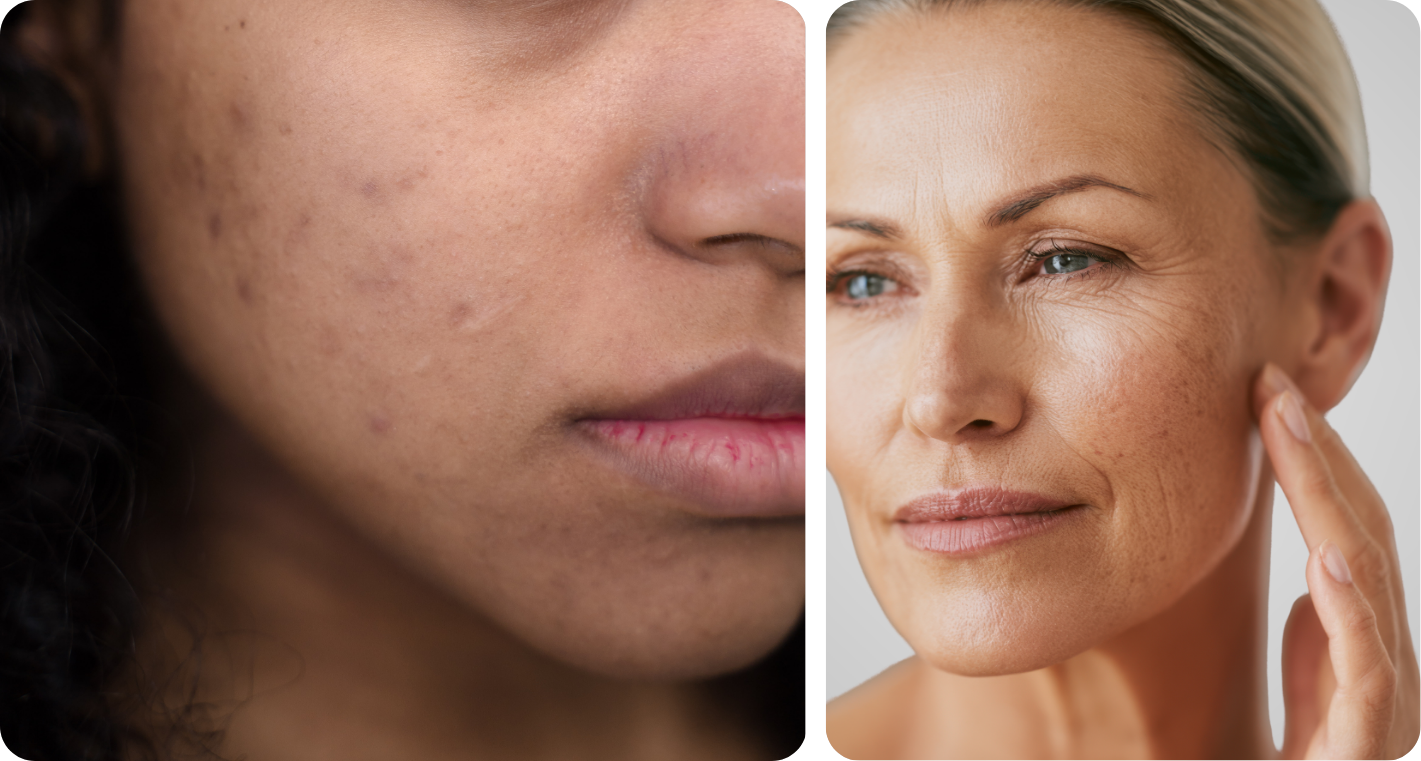
While skin needling is often associated with the treatment of acne scarring, it may also be considered for concerns such as enlarged pores, fine lines, uneven texture and loss of firmness.
So, what makes skin needling useful for addressing these concerns? One of the key factors is collagen. Understanding how collagen is produced and its role in skin repair helps explain how skin needling may improve the appearance of the skin.
What is skin needling?
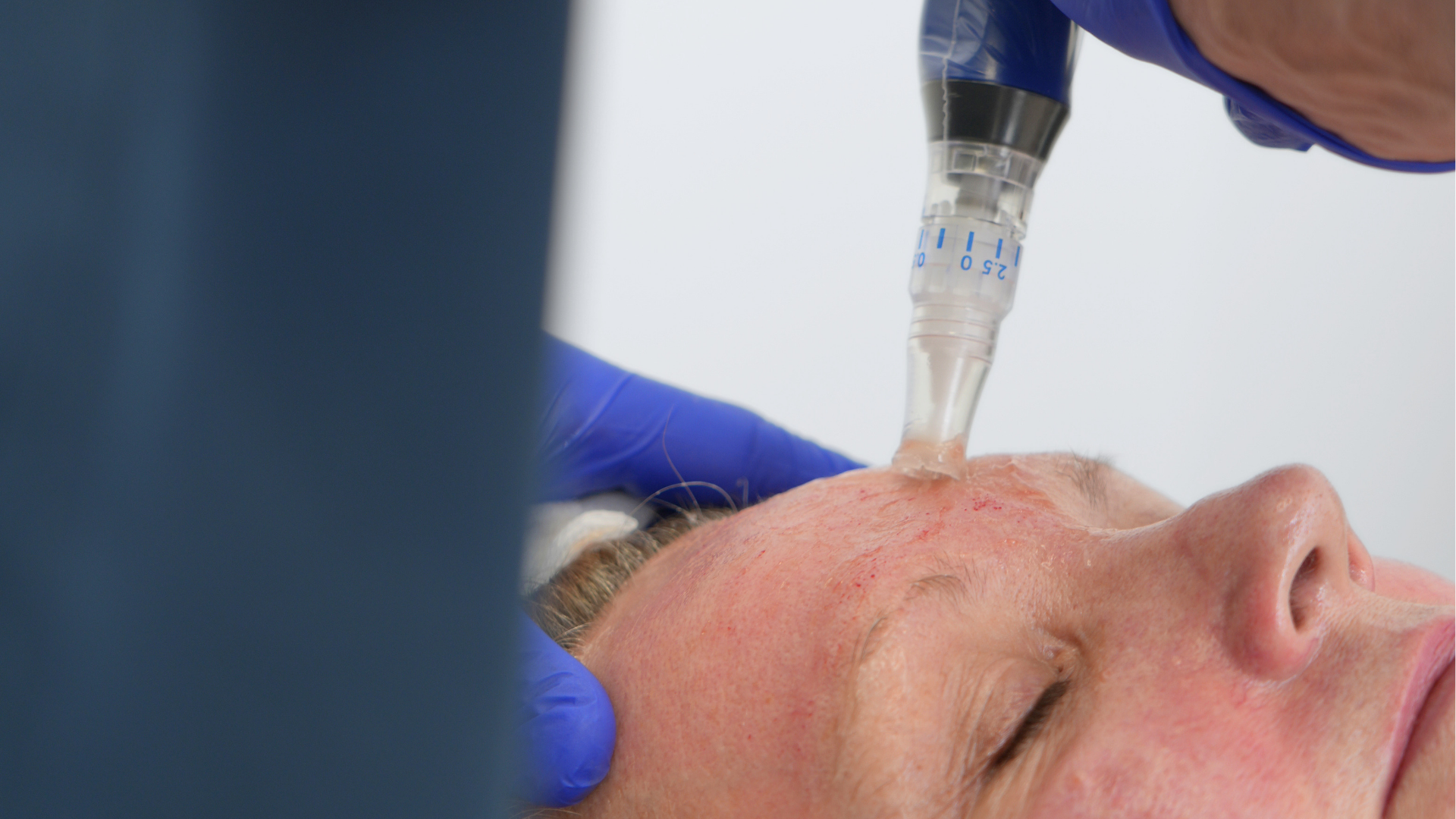
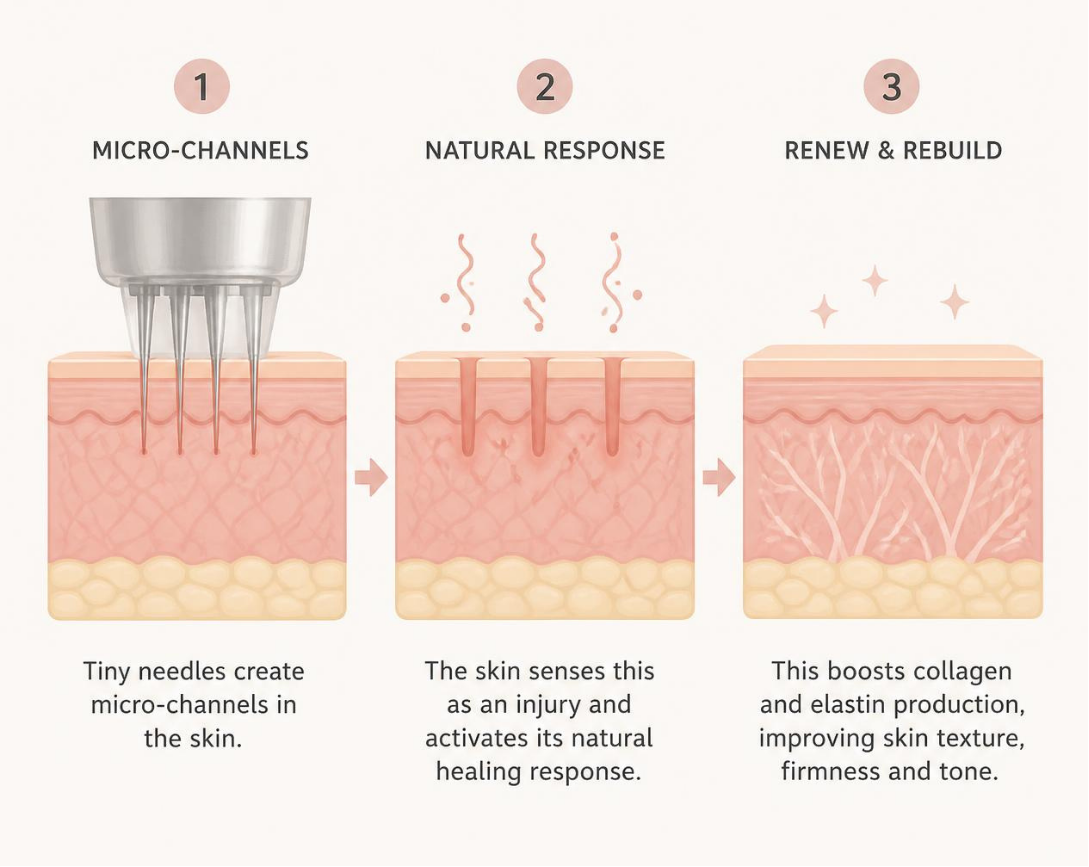
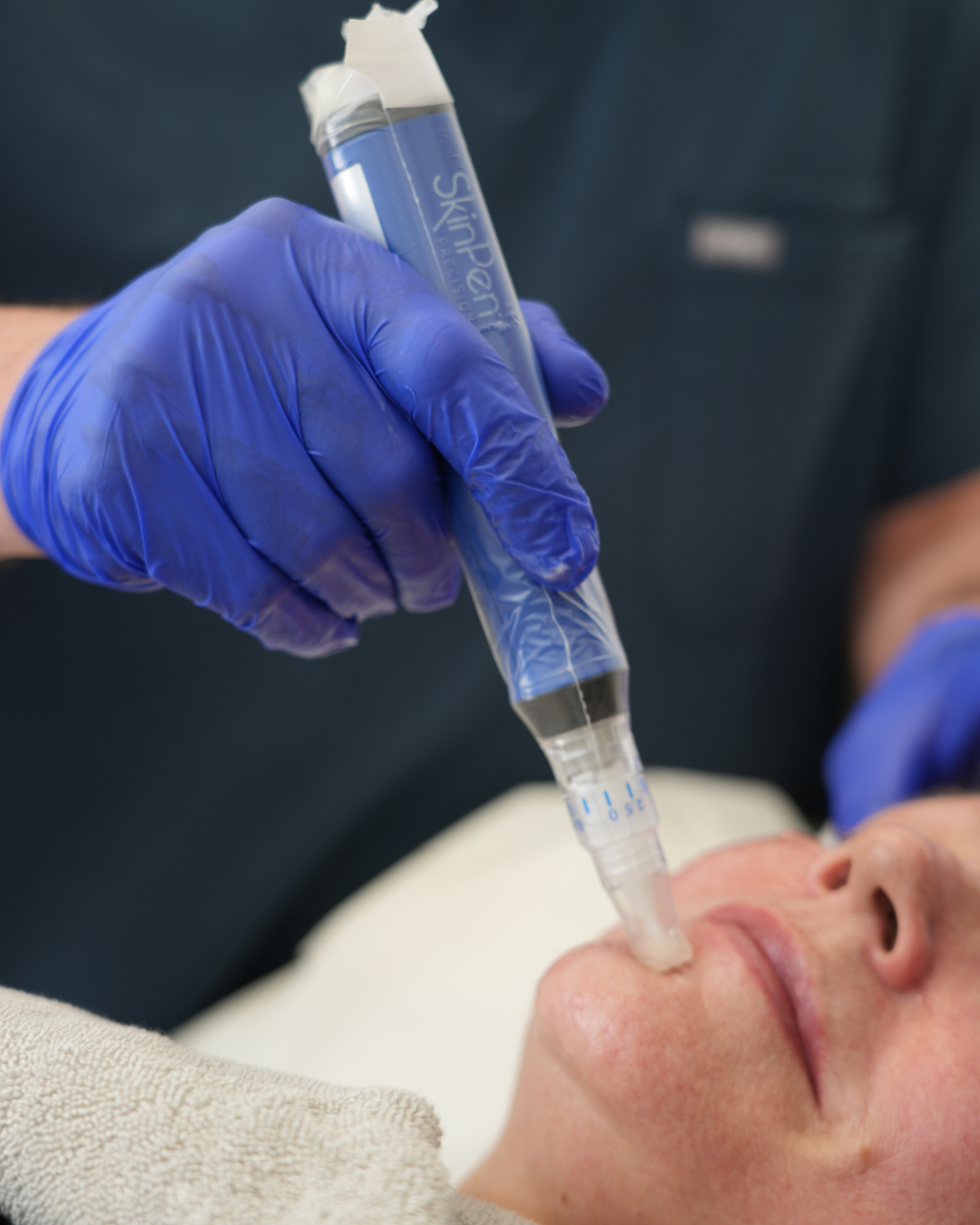
Skin needling uses a device with very fine needles to create controlled micro-injuries in the skin. This triggers the skin’s natural wound-healing response and stimulates the production and remodelling of collagen and elastin.
The role of collagen.
Collagen helps provide structure and support to the skin, while elastin helps it remain flexible and resilient. When the skin produces new collagen and elastin, it can help strengthen the skin from within.
This added support can help the skin maintain its firmness and elasticity, while contributing to a more refined skin texture over time.
What can skin needling treat?
You may consider skin needling if you are looking to improve concerns such as:
Pigmentation
Loss of elasticity
Overall skin rejuvenation
Acne and acne scarring
Fine lines
Enlarged pores
Uneven skin texture
The extent of improvement will vary depending on the concern being treated and its severity. Mild textural changes and some types of acne scarring may respond to skin needling, while deeper or more complex scarring may benefit from a different treatment or combination of treatments.
Why don’t you see the results straight away?
One important point that is often overlooked is that the results are not immediate.
Collagen remodelling takes time, so improvements generally develop progressively after treatment rather than appearing straight away.
As the skin continues to produce and remodel collagen over the following weeks and months, changes in texture, firmness and overall skin quality may become increasingly noticeable. For this reason, a series of treatments may be recommended to support the skin’s ongoing repair and collagen remodelling process.
Skin Needling vs RF Microneedling: What’s the difference?
Traditional skin needling relies on the controlled injury created by the needles to initiate the healing response while Secret RF Microneedling needles deliver RF energy at targeted depths, creating controlled heat within the deeper layers of the skin. This provides additional stimulation that may help improve skin texture, acne scarring, fine lines and skin laxity.
Neither approach is automatically “better”. The appropriate treatment depends on the concern, skin characteristics, desired outcome and other individual factors.
Can skin needling be combined with other treatments?
Sometimes. Skin concerns do not always occur in isolation. A patient may have acne scarring as well as redness, pigmentation, or uneven texture.
Depending on the assessment, a treatment plan may incorporate skin needling alongside other options such as Secret RF Microneedling, laser treatments, LED light therapy, chemical peels or medical-grade skincare.
These treatments do not necessarily need to be performed together. A plan may sequence different treatments over several months, depending on how the skin responds.
Choosing the right approach for your skin.
Skin concerns are not always straightforward. Pigmentation can have different causes, and acne scarring can vary in its appearance, with rolling, boxcar and ice-pick scars being some of the most common types. As these concerns can vary from person to person, the most appropriate treatment approach may also differ.
Skin needling can improve the appearance of a range of concerns by stimulating the skin’s natural repair process and collagen production. As results vary between individuals, a consultation allows your skin and concerns to be assessed to determine whether skin needling is suitable for you.
If you’re considering skin needling, our dermatology team can provide further information about the treatment and what to expect. Book a consultation today to learn more.