Eczema Treatments

Manage eczema flare-ups and restore skin comfort.
Eczema, also known as atopic dermatitis, is a common inflammatory skin condition that can cause persistent itching, dryness, redness and recurring flare-ups. Symptoms can range from mild irritation to ongoing discomfort that affects daily activities, sleep and overall wellbeing.
Our dermatologists provide personalised assessment and treatment for eczema in children and adults, helping you understand your condition and explore appropriate treatment options.
How Eczema Affects Your Skin
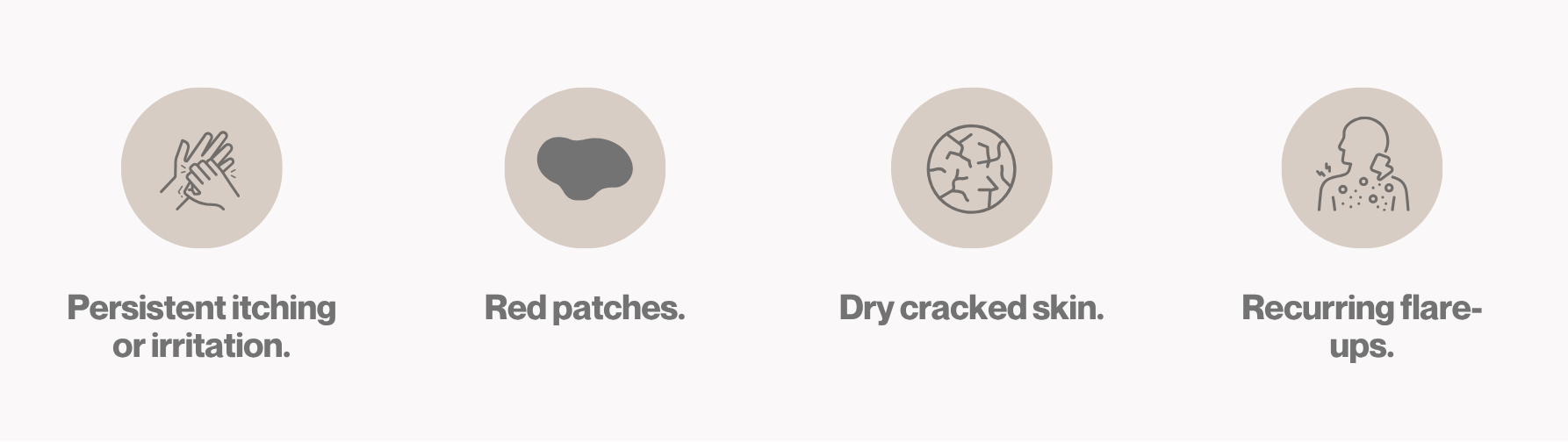
Healthy skin acts as a protective barrier, helping to retain moisture and protect against external irritants. In people with eczema, this barrier function is weakened, allowing moisture to escape more easily and making the skin more sensitive to certain triggers. While eczema can present differently for everyone, some common features include:
Common areas affected include the face, eyelids, hands, behind the knees, inside the elbows, around the ankles and behind the ears.
When to See a Dermatologist for Eczema
Eczema is not infectious, but it can become more complicated if symptoms are not appropriately managed.
You should consider seeing a dermatologist if:
Eczema is not improving your current skincare or treatments
Itching, redness or irritation is affecting your sleep, comfort or daily activities
Frequent or ongoing flare-ups
Painful, cracked skin or signs of infection
Uncertainty about whether symptoms are eczema or another skin condition
An accurate diagnosis is important, as eczema can sometimes resemble other inflammatory skin conditions, such as psoriasis or contact dermatitis, which may require different treatment approaches.
Recognising Eczema Symptoms
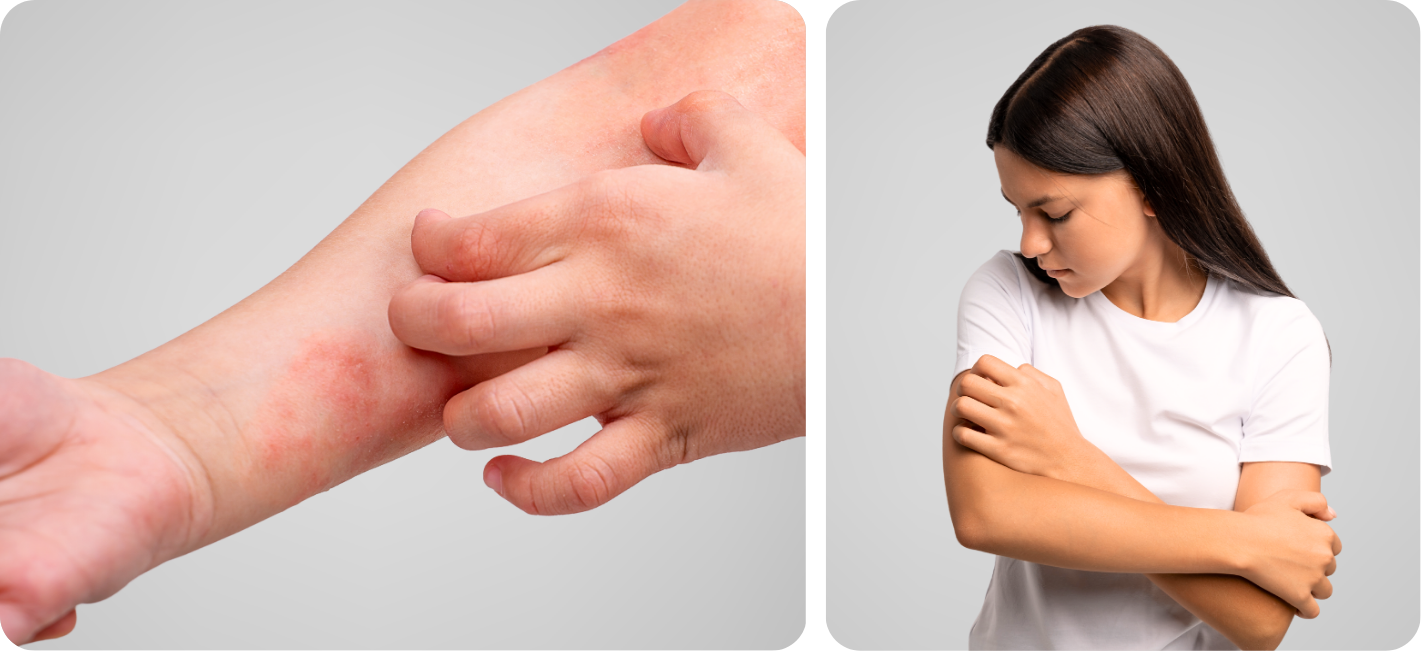
Living with eczema can mean more than just dry skin. Persistent itching, visible redness and flare-ups can affect comfort and everyday activities.
You may experience:
Persistent itching or irritation
Red, inflamed patches of skin
Dry, cracked or sensitive skin
Recurring symptoms despite skincare management
Disrupted sleep or difficulty with daily activities
Have questions about your eczema?
If ongoing eczema symptoms are affecting your daily life, our team can help you understand your options and take the next step.
Personalised Care for Children and Adults

Eczema can affect people of all ages, from babies and children through to adults. It commonly begins in early childhood, often between 2 and 6 months of age, but symptoms can continue into adulthood or develop later in life.
Our team provides personalised treatment plans tailored to your specific needs, offering specialist care and guidance for managing eczema.
Eczema Treatment Options
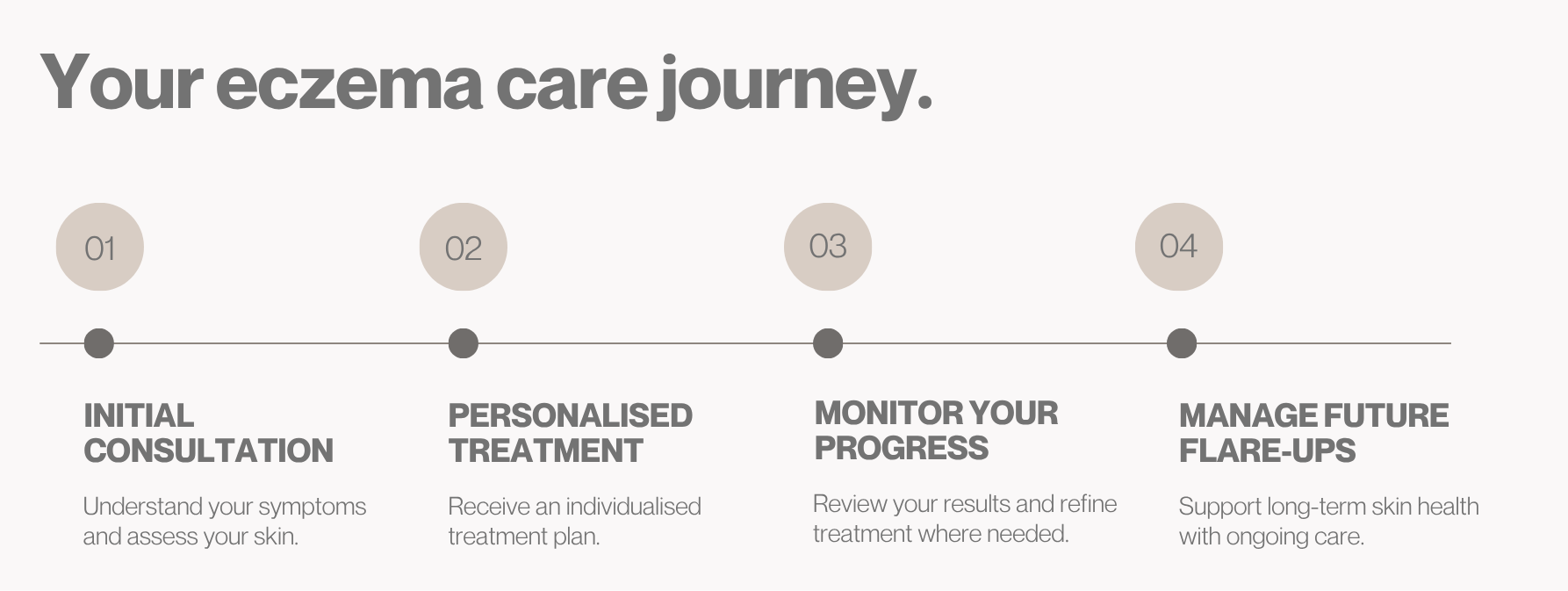
Treatment for eczema varies depending on the type and severity of eczema, the areas affected and your individual circumstances. Your dermatologist will assess your skin and discuss the most appropriate options as part of your personalised treatment plan.

Ultraviolet B (UVB)
A controlled form of ultraviolet light therapy that may be used to help manage inflammatory skin conditions such as eczema. Book a consultation to learn more.
Topical Therapies
Topical therapies may be used to target inflammation and support calmer, more comfortable skin. Book a consultation to learn more.

LED Light Therapy
Targeted wavelengths of light and may be considered as part of an overall eczema management plan. Your dermatologist can assess if this is suitable for you. Learn more.
Barrier Repair
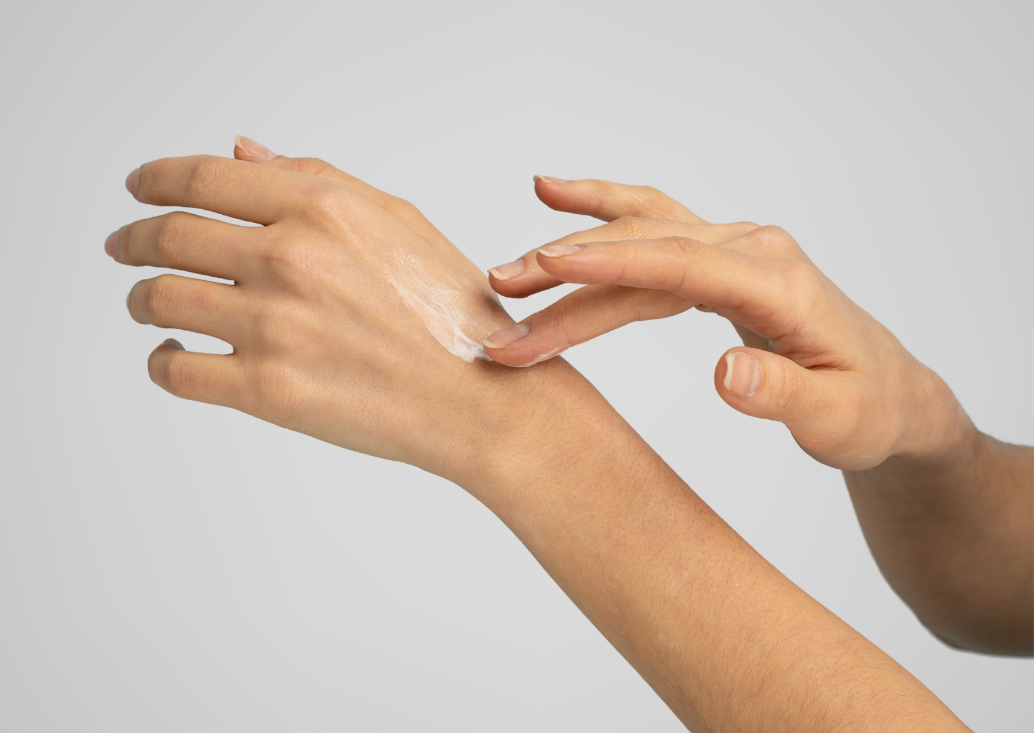
Barrier repair products help reduce dryness and irritation by strengthening the skin’s natural protective function. Book a consultation to learn more.
Types of Eczema and Dermatitis
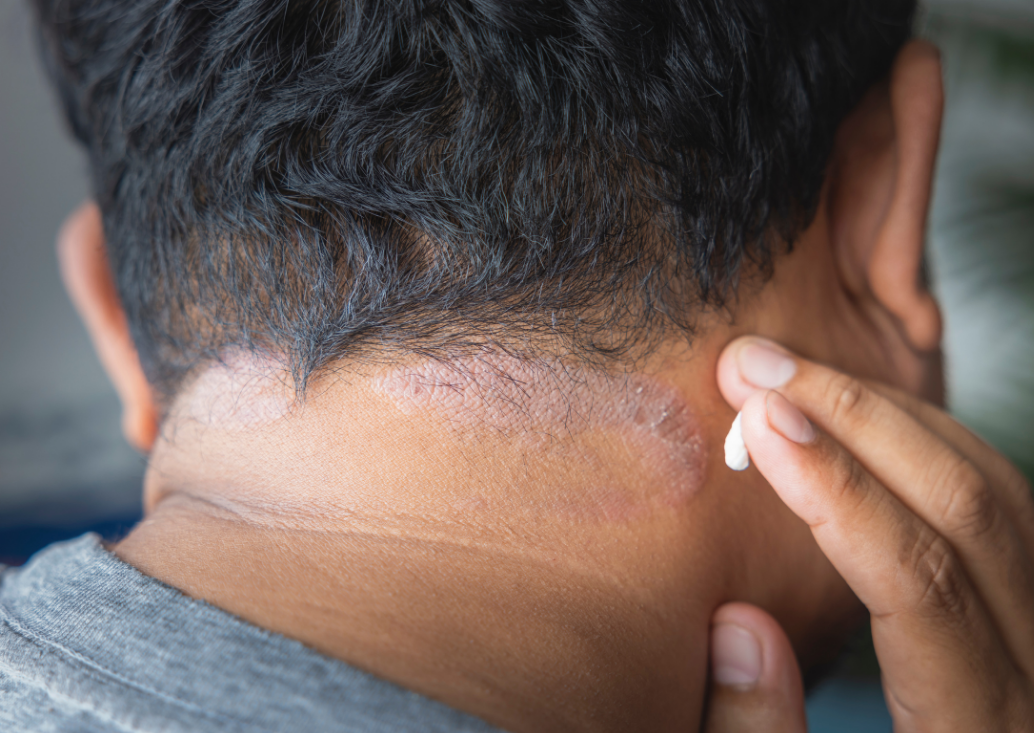
Eczema and dermatitis can appear in different forms, with different triggers and patterns. Understanding the type of dermatitis affecting your skin can help guide a personalised treatment approach.


Atopic Dermatitis (Atopic Eczema)
The most common form of eczema, atopic dermatitis is often associated with a weakened skin barrier and an overactive immune response. It commonly causes dry, itchy, inflamed skin and may occur alongside other allergic conditions such as asthma or hay fever.
Contact Dermatitis
Contact dermatitis occurs when the skin reacts to a substance it has come into contact with. It may be caused by irritation from substances such as soaps, detergents or chemicals, or an allergic reaction to ingredients such as fragrances, metals or certain skincare products.
Seborrhoeic Dermatitis
A common inflammatory skin condition that typically affects areas where oil glands are more active, such as the scalp, eyebrows, around the nose and ears. It can cause redness, irritation and flaky or scaly skin.
Are eczema and dermatitis the same?
Eczema and dermatitis are closely related terms, but they are not exactly the same.
Dermatitis is a broad term used to describe inflammation of the skin. It includes a range of conditions that can cause symptoms such as redness, dryness, itching and irritation.
Eczema is one type of dermatitis. The most common form is atopic dermatitis, which is often associated with a weakened skin barrier and an overactive immune response. This can contribute to recurring flare-ups of inflammation, dryness and itching.
Frequently Asked Questions
-
Not exactly. Dermatitis is a general term for skin inflammation. Eczema (atopic dermatitis) is one of the most common types of dermatitis.
-
No. Eczema cannot be passed from one person to another.
-
Yes. Although eczema often begins in childhood, it can first develop during adulthood.
-
Eczema and psoriasis are different skin conditions, although they can share some similar symptoms such as redness, itching and inflamed skin. Psoriasis is an autoimmune condition that causes skin cells to build up more quickly than normal, leading to well-defined, thick, red plaques covered with silvery scales, commonly found on the elbows, knees and scalp.
-
Diagnosis begins with a thorough assessment of your skin and medical history.
Depending on your symptoms, your dermatologist may recommend:
Clinical examination
Review of possible triggers
Patch testing for allergic contact dermatitis
Skin swabs if infection is suspected
Accurate diagnosis helps guide the most appropriate treatment plan.
Find the right approach for your eczema.
Our dermatologists combine specialist knowledge with a personalised approach to help diagnose, manage and treat eczema in children and adults.

Call (03) 9826 4966 or email dermatology@div.net.au to book a consultation today.
Please note: All procedures carry risks, potential side effects, and possible complications, and may not be suitable for everyone. A consultation with a registered health practitioner is required to determine if this treatment is appropriate, and further information will be provided before you decide to proceed. Outcomes cannot be guaranteed and results vary between individuals. Before and after images reflect the patient pictured and may differ for others.
This page is for informational purposes only and does not constitute medical advice. Please seek personalised guidance from a registered health practitioner regarding your individual circumstances.