Psoriasis Treatments
Understand psoriasis and explore personalised treatment options.
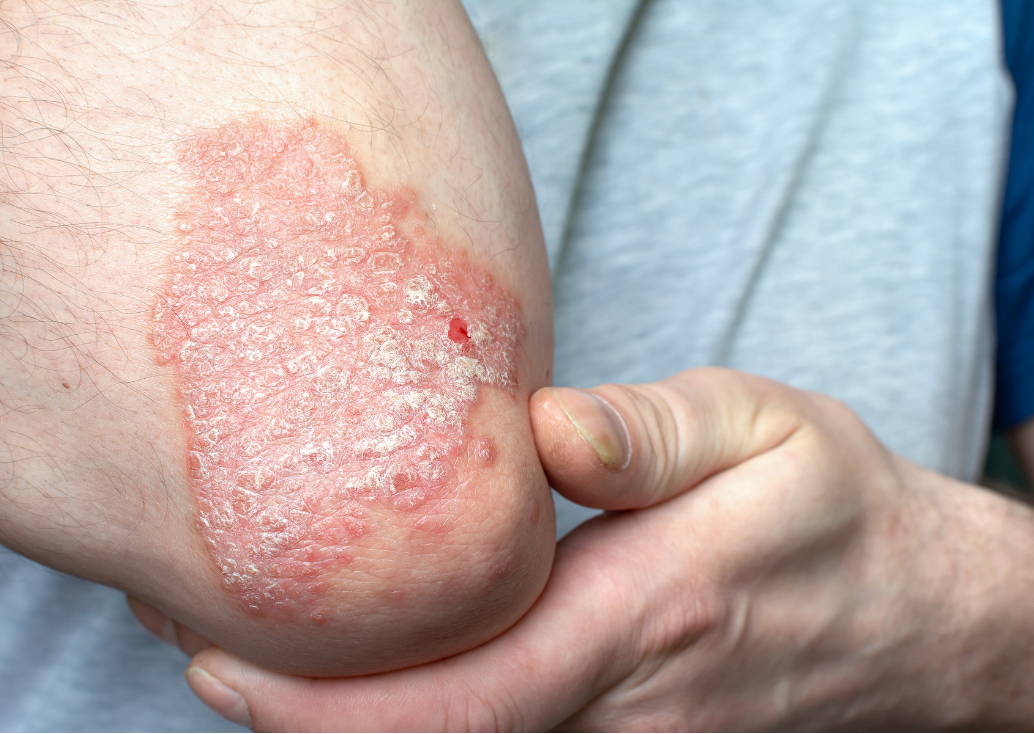
Psoriasis is a chronic inflammatory skin condition that can cause raised, scaly patches of skin, often accompanied by itching, irritation or discomfort. It can affect different areas of the body and may vary in severity over time, with periods of flare-ups and improvement.
At the Dermatology Institute of Victoria, our dermatologists assess and treat psoriasis in children and adults, providing personalised care to help manage symptoms and determine the most appropriate treatment approach.
How Psoriasis Affects Your Skin
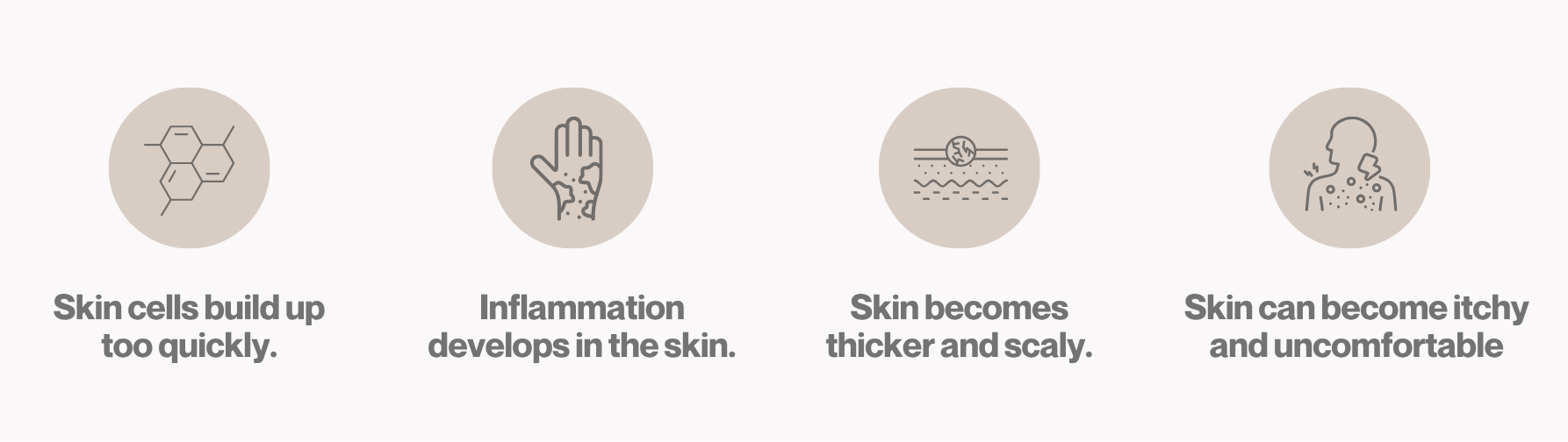
Psoriasis occurs when the immune system causes skin cells to be produced and replaced more quickly than usual. This can lead to a build-up of cells on the surface of the skin, forming areas of inflammation and scaling.
The appearance of psoriasis can vary between individuals and across different complexions. It commonly affects the scalp, elbows, knees and lower back, although other areas can also be involved.
Psoriasis is not contagious and cannot be passed from person to person. While the condition can persist over time, appropriate treatment can help manage symptoms and flare-ups.
When to See a Dermatologist for Psoriasis
Psoriasis can vary significantly in its appearance and severity. An accurate diagnosis can help distinguish psoriasis from other skin conditions that may appear similar, including eczema, seborrhoeic dermatitis and fungal infections.
You should consider seeing a dermatologist if:
Persistent, scaly or inflamed patches are developing on the skin
Symptoms are recurring or becoming more difficult to manage
Psoriasis is affecting the scalp, nails, hands, feet or other sensitive areas
Itching, discomfort or visible symptoms are affecting your daily activities
You are unsure whether your symptoms are psoriasis, eczema or another skin condition
A dermatologist can assess your skin, confirm the diagnosis and discuss treatment options based on the type, severity and areas affected.
Recognising Psoriasis Symptoms
Psoriasis can affect the skin in different ways, depending on the type and area affected.
You may experience:
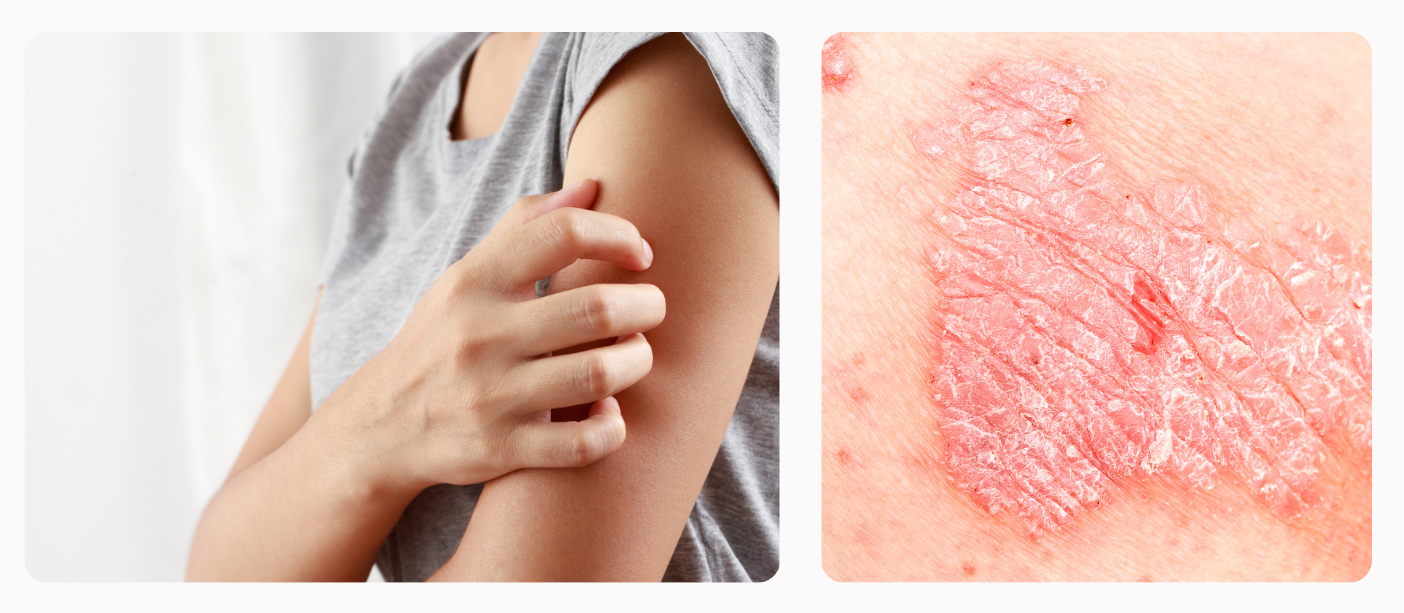
Raised, well-defined patches of inflamed skin
White or silvery scales over affected areas
Itching, irritation or discomfort
Cracked skin that may become painful or bleed
Nail changes, including small indentations, thickening or separation from the nail bed
Recurring areas of inflammation that improve and flare over time
Not all scaly or itchy skin is psoriasis. A dermatologist can assess your symptoms and help determine the underlying cause.
Have questions about your skin?
Our team can help you take the next step towards understanding your symptoms and exploring your options.
Psoriasis Treatment Options
Treatment for psoriasis varies depending on the type and severity of the condition. Your dermatologist will assess your skin and discuss suitable options based on your individual circumstances.

Ultraviolet B (UVB)
UVB therapy may be used to help manage psoriasis through carefully controlled ultraviolet light treatment under medical supervision. It may be considered when symptoms affect larger areas or have not responded adequately to topical treatments. Book a consultation to learn more.
Advanced Treatments
Advanced treatment options may be considered when other approaches have not provided adequate management. Your dermatologist can assess your psoriasis and discuss whether these options may be suitable for you. Book a consultation to learn more.
Topical Therapies
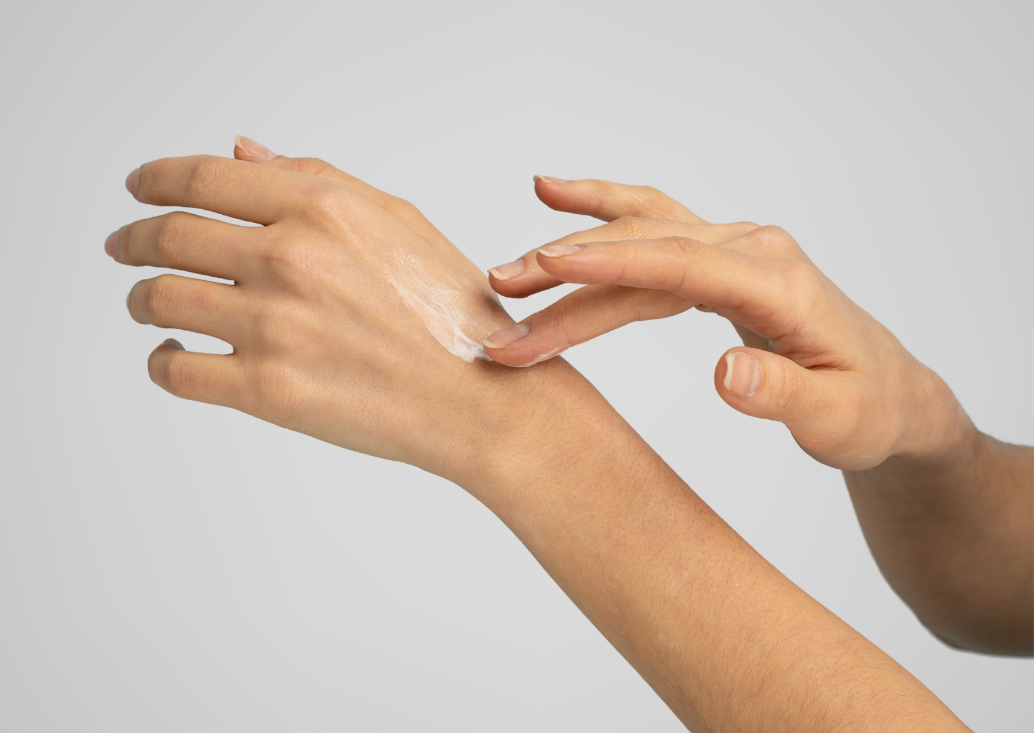
Creams, ointments and other topical therapies may help manage inflammation, scaling and dryness in affected areas. Book a consultation to learn more.
Types of Psoriasis
Psoriasis can appear in different forms, depending on the areas of skin affected and how the condition presents. Some people may experience more than one type of psoriasis throughout their lifetime.
Plaque Psoriasis
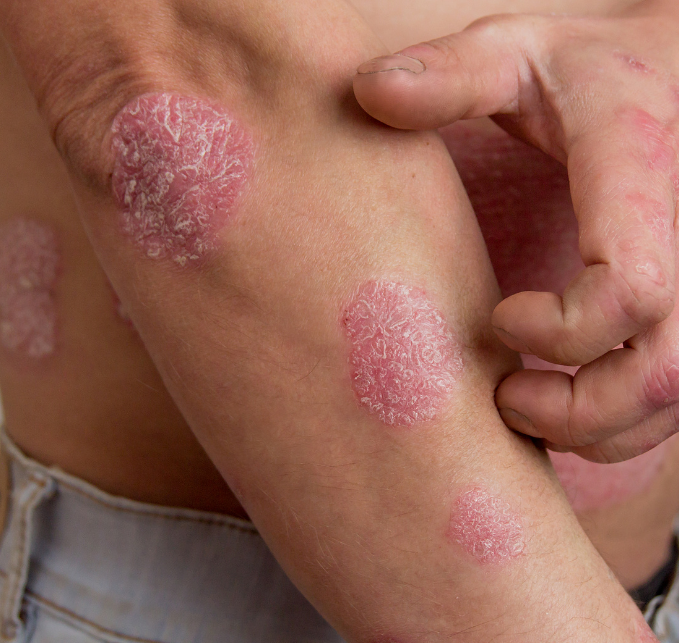
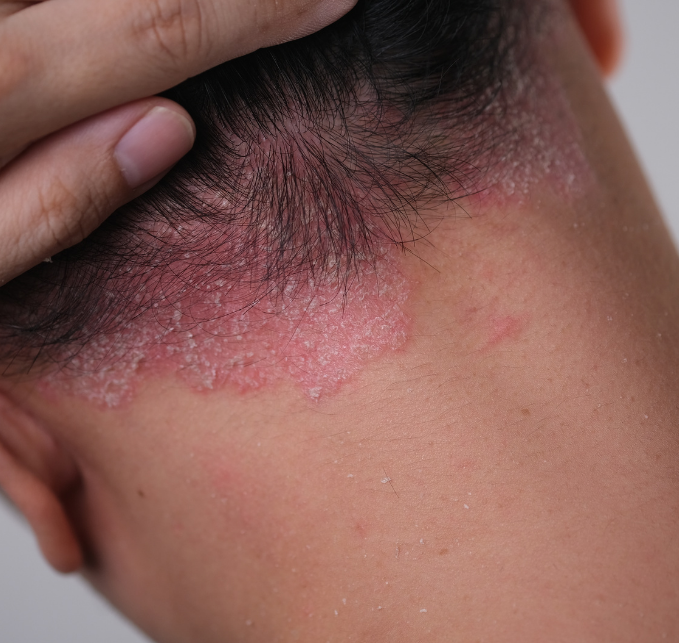
The most common form of psoriasis, plaque psoriasis causes well-defined, raised red patches covered with silvery-white scale. It most commonly affects the elbows, knees, scalp and lower back.
Scalp Psoriasis
Scalp psoriasis may range from mild scaling to thick plaques covering much of the scalp. It can be itchy and may extend beyond the hairline.
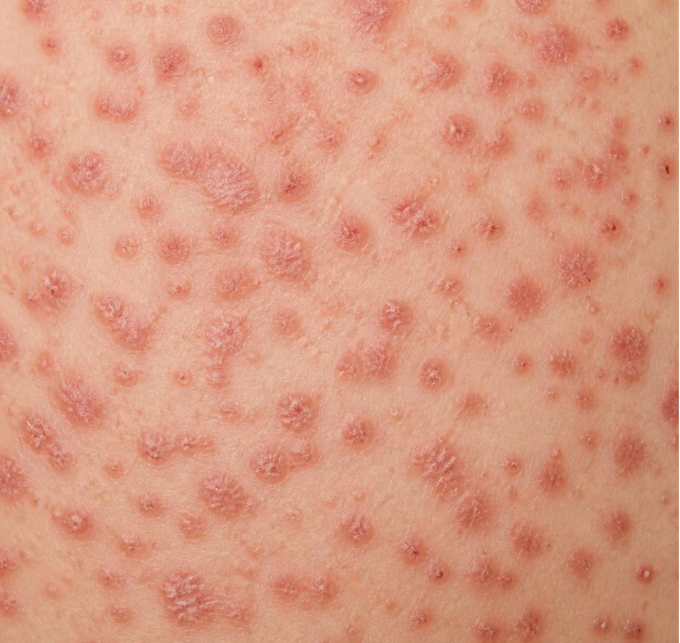
Guttate Psoriasis
Often appears as multiple small, drop-shaped spots across the body. It can develop following certain infections, particularly in children and young adults.
Inverse Psoriasis
Affects skin folds such as the armpits, groin and underneath the breasts. It typically appears as smooth, red or inflamed areas rather than the scaling commonly seen in other forms of psoriasis.
Nail Psoriasis
Psoriasis can also affect the nails, causing changes such as pitting, thickening, discolouration or separation from the nail bed.
Other Forms of Psoriasis
Less common forms include pustular and erythrodermic psoriasis, which require medical assessment. If you experience joint pain, stiffness or swelling alongside psoriasis, speak with your doctor or dermatologist, as psoriasis can also be associated with psoriatic arthritis.
Psoriasis vs Eczema: What's the Difference?
Psoriasis and eczema can both cause inflamed, itchy skin, but there are some differences in how they typically appear. Understanding these differences can help you know when to seek an assessment.
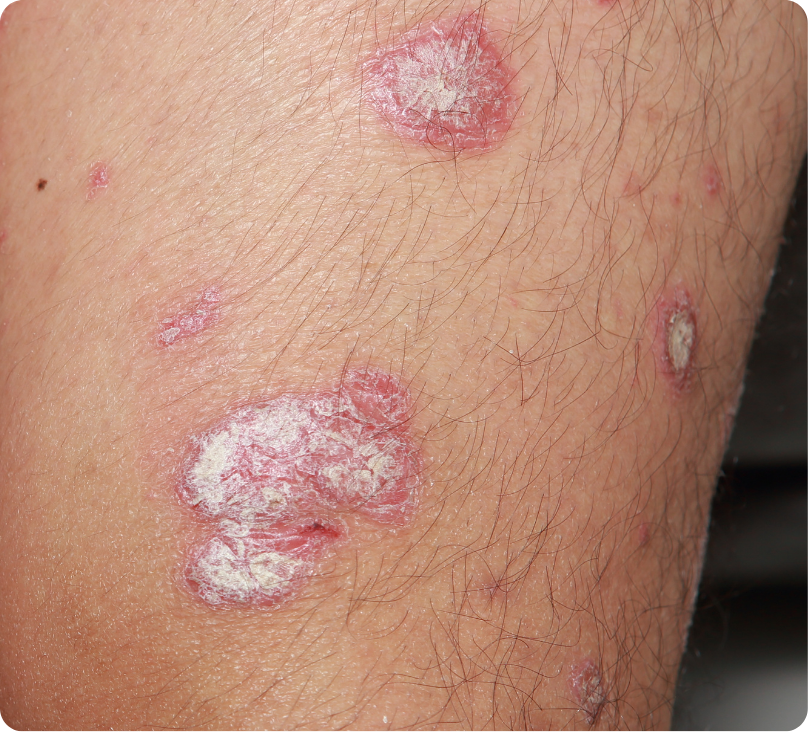
Psoriasis
Often appears as raised, well-defined patches.
May have a thick, dry or silvery-scaled surface.
Commonly affects the elbows, knees and scalp.
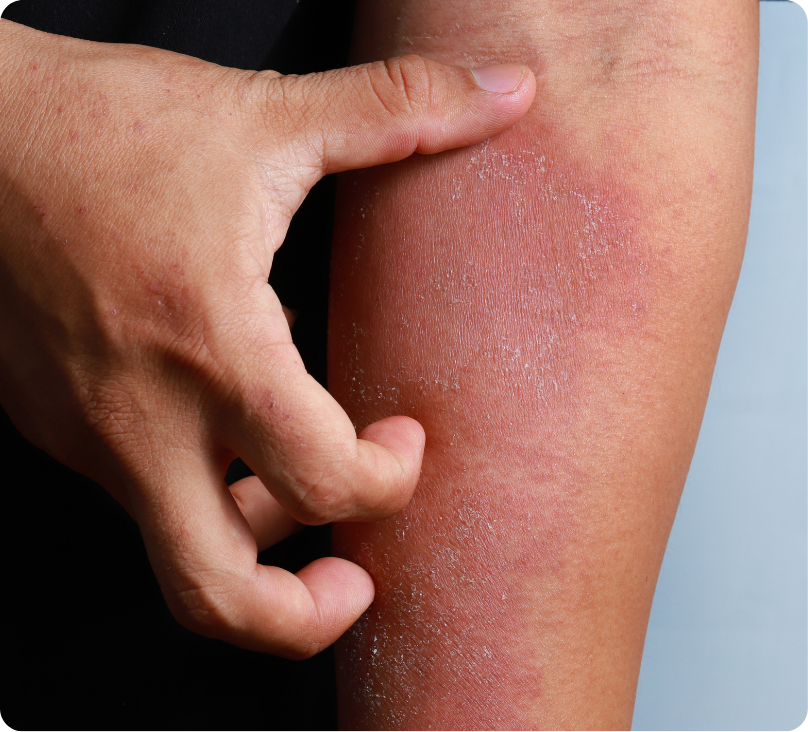
Eczema
Often causes dry, itchy and inflamed skin.
May appear rough, cracked or weepy during flare-ups.
Commonly affects skin creases, hands and other areas.
Frequently Asked Questions
-
Although psoriasis and eczema can both cause red, itchy skin, they are different conditions.
Psoriasis is an autoimmune inflammatory condition that causes skin cells to build up rapidly, forming thick, well-defined plaques with silvery scale.
Eczema (atopic dermatitis) is primarily related to skin barrier dysfunction and inflammation. It typically causes dry, itchy skin with less well-defined patches and often begins in childhood.
Because treatments differ, an accurate diagnosis is important.
-
Dermatitis is a broad term that describes inflammation of the skin and includes several conditions such as atopic dermatitis, contact dermatitis and seborrhoeic dermatitis.
Psoriasis is a specific chronic inflammatory disease driven by an overactive immune response. While both conditions may cause redness, itching and scaling, they have different underlying causes and treatment approaches.
A dermatologist can determine which condition is affecting your skin.
-
No. Psoriasis cannot be passed from one person to another through touching, sharing towels, swimming pools or close contact.
-
The exact cause is not fully understood. Psoriasis is thought to result from a combination of genetic factors and an overactive immune system. Common triggers for flare-ups may include illness, stress, certain medications, skin injury and smoking.
-
Some people notice improvement with carefully controlled exposure to natural sunlight. However, excessive sun exposure can damage the skin and increase the risk of skin cancer. Medical UVB phototherapy provides controlled ultraviolet treatment under dermatologist supervision and should not be replaced by deliberate tanning.
Find the Right Approach for Your Psoriasis
Psoriasis is a long-term inflammatory condition that can change over time. Understanding your diagnosis and the factors that may influence your symptoms can help guide ongoing management.
Please note: All procedures carry risks, potential side effects, and possible complications, and may not be suitable for everyone. A consultation with a registered health practitioner is required to determine if this treatment is appropriate, and further information will be provided before you decide to proceed. Outcomes cannot be guaranteed and results vary between individuals. Before and after images reflect the patient pictured and may differ for others.
This page is for informational purposes only and does not constitute medical advice. Please seek personalised guidance from a registered health practitioner regarding your individual circumstances.