Acne Scar Treatment
A tailored approach to acne scar treatment.
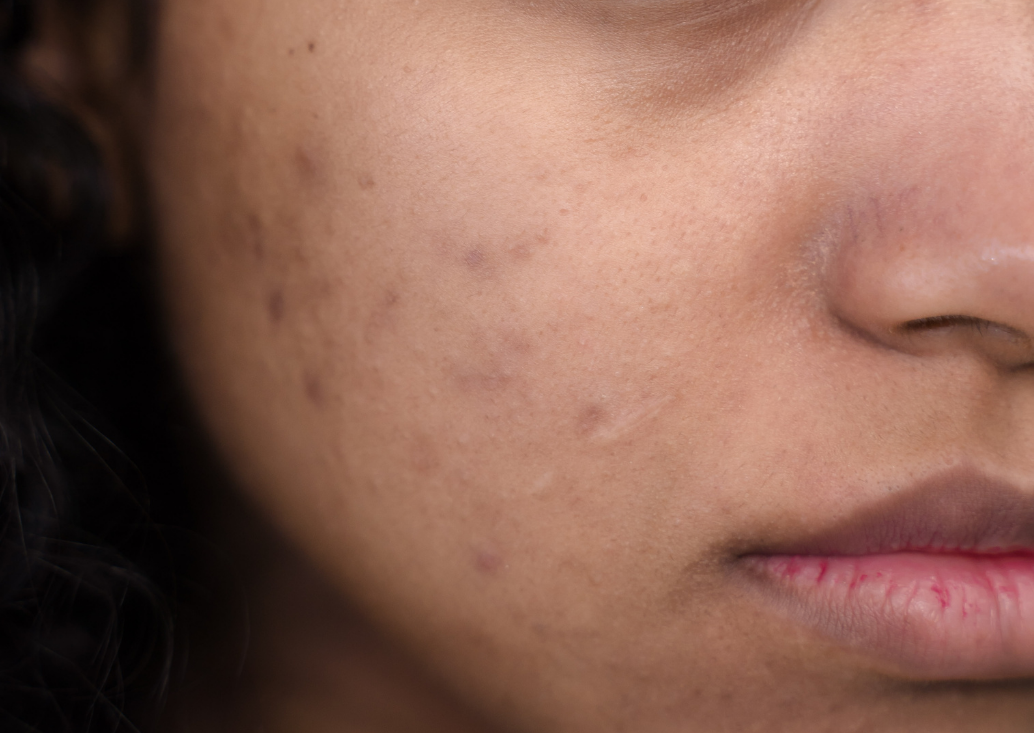
Acne can leave behind changes in the skin long after active breakouts have settled. Acne scarring may appear as indentations, uneven texture, changes in skin colour or a combination of these concerns.
The type, depth and characteristics of acne scarring can influence how it responds to treatment. This means the most suitable acne scar treatment will vary from person to person. Book a consultation with our dermatologists to discuss the right treatment options for your acne scars.
Why do acne scars develop?
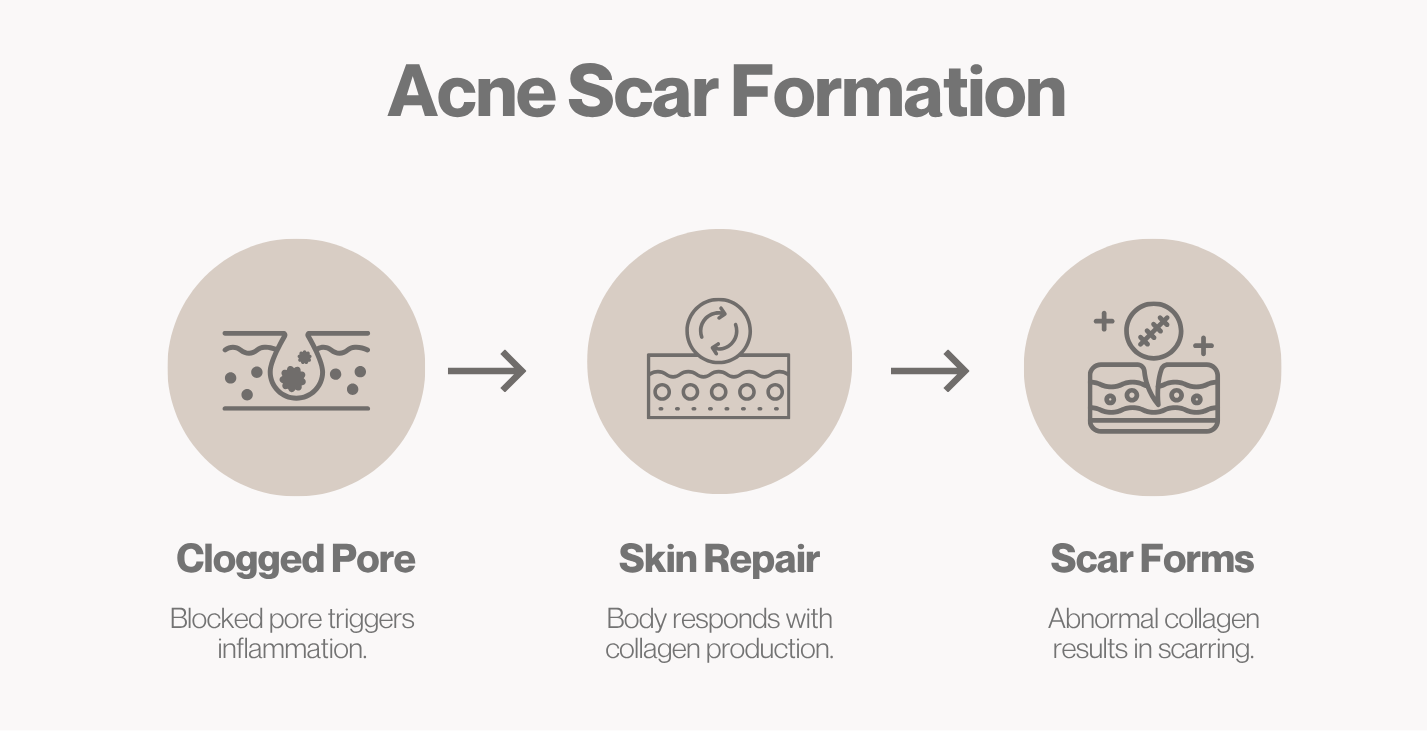
As inflamed pimples, cysts or nodules heal, the body produces collagen to repair the damaged tissue. If too little or too much collagen is produced during healing, a scar may form.
Not everyone who experiences acne will develop acne scars, but the risk is higher when acne is moderate to severe, left untreated for a long period or frequently squeezed or picked. Treating active acne early may help reduce the risk of permanent scarring. Once acne scars have formed, treatment takes a different approach, focusing on improving the appearance of the existing scars and changes in skin texture.
What are acne scars?
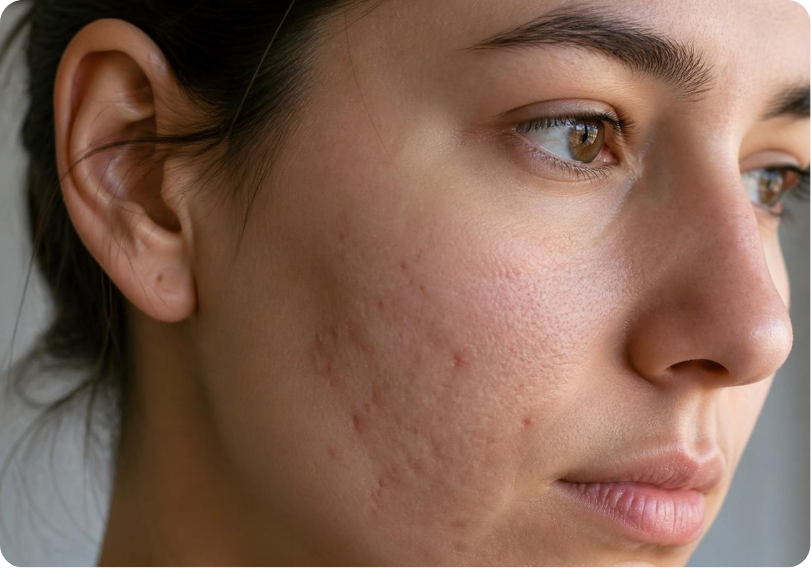
Acne scars are changes in the skin that can remain after acne has healed. They can develop when inflammation associated with acne affects the deeper layers of the skin and alters normal collagen production during the healing process.
Acne scars can vary significantly from person to person. Some scars create depressions or unevenness in the skin, while others appear as raised areas or persistent changes in pigmentation.
Types of Acne Scars
Acne scarring can take several forms and may affect the cheeks, temples, forehead, jawline or other areas where acne has previously occurred. Different scars respond to different treatments, which is why an accurate diagnosis is important.
Common types of acne scarring include:
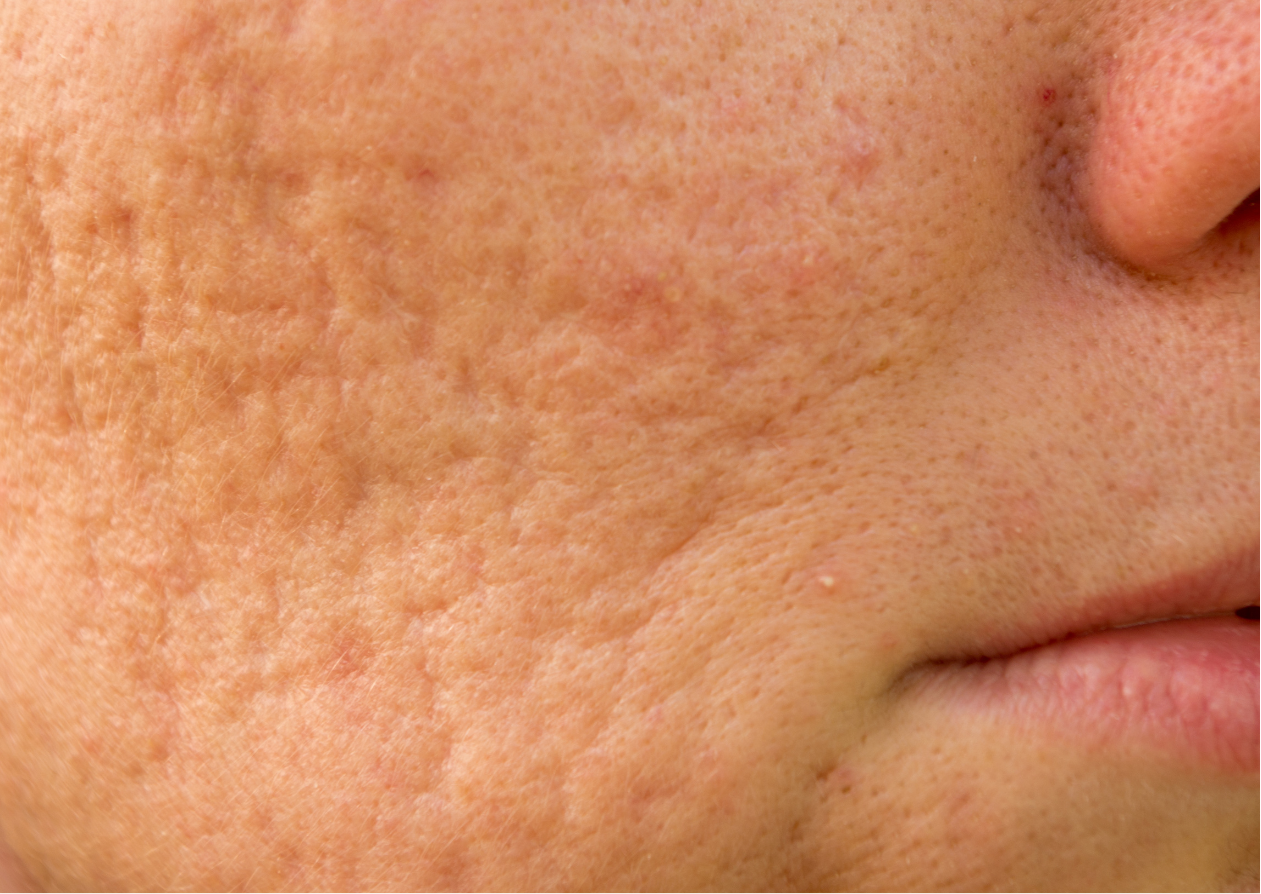
Atrophic acne scars: Depressed scars that appear as indentations in the skin. These are often associated with a loss or disruption of collagen during the healing process.
Ice pick scars: Small, narrow and deeper indentations that extend into the skin.
Boxcar scars: Depressed scars with more defined edges that can appear round or oval in shape.
Rolling scars: Broader depressions that create an uneven or undulating appearance across the skin.
Raised acne scars: Some people develop raised scars following inflammation or injury to the skin.
Acne can also leave behind post-inflammatory pigmentation or redness, which can occur alongside textural acne scarring.
Why see a dermatologist for acne scarring?
Acne scarring can be complex, with different types of scars often appearing across the same area of skin. As each scar can vary in type, depth and appearance, there is no single treatment that is suitable for every acne scar. Treatment is therefore tailored to the individual and the specific characteristics of their scarring.
A dermatologist assessment may be helpful if:
Persistent or noticeable acne scars remain after breakouts have healed
Acne has left behind uneven or indented skin texture
Skincare products have not improved the appearance of acne scarring
Active acne and acne scarring are present at the same time
It is unclear which acne scar treatment may be suitable for the skin
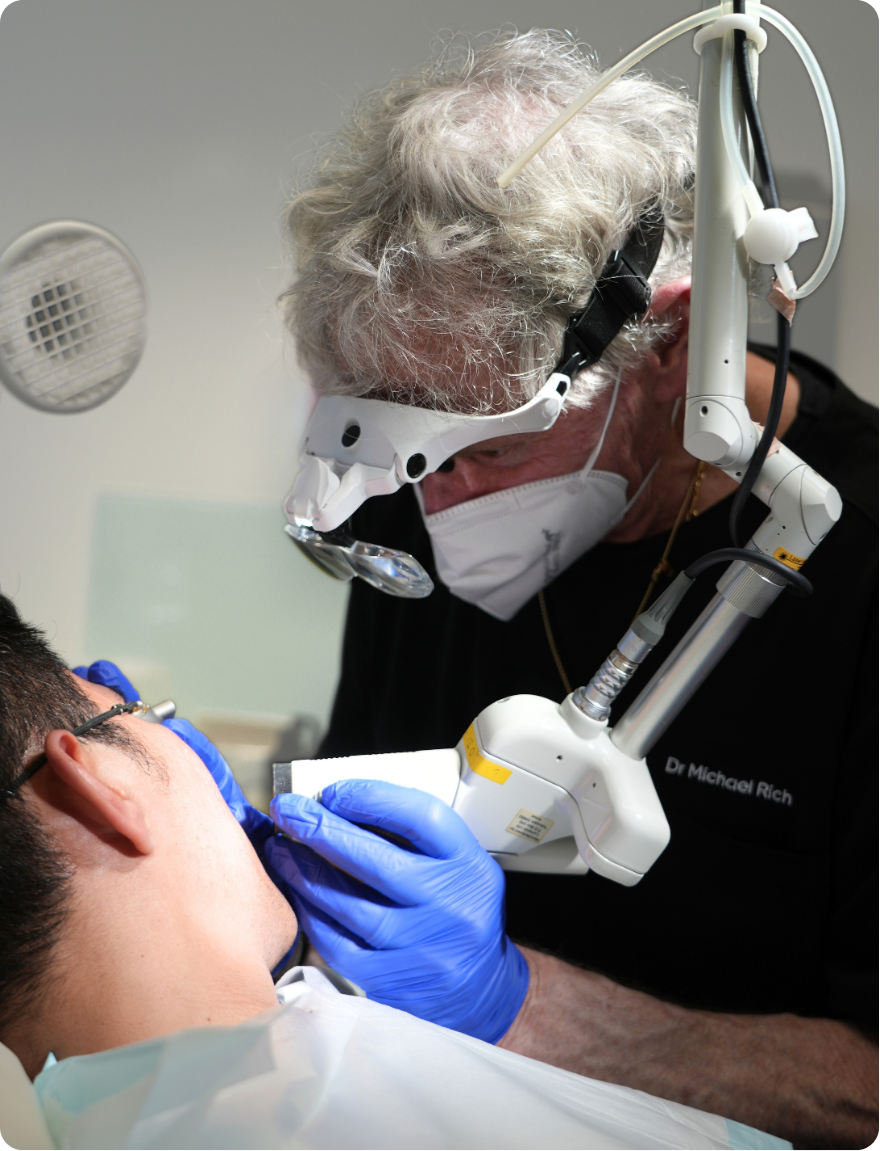
Our Approach to Acne Scar Treatment
Your acne scar treatment journey begins with a consultation with one of our experienced dermatologists. During your appointment, your dermatologist will assess your skin and identify the type and characteristics of your acne scarring. They will also consider factors such as your skin type, pigmentation, active acne and previous treatments.
Comprehensive Skin Assessment
Personalised Treatment Approach
Ongoing Specialist Care
Want to learn more? Ask us a question about acne scar treatment below.
Acne Scar Treatment Options
Treatment for acne scarring depends on the type and severity of the scars, your skin characteristics and whether you have any ongoing acne or pigmentation concerns.
Your dermatologist will recommend the most appropriate treatment options following an assessment.
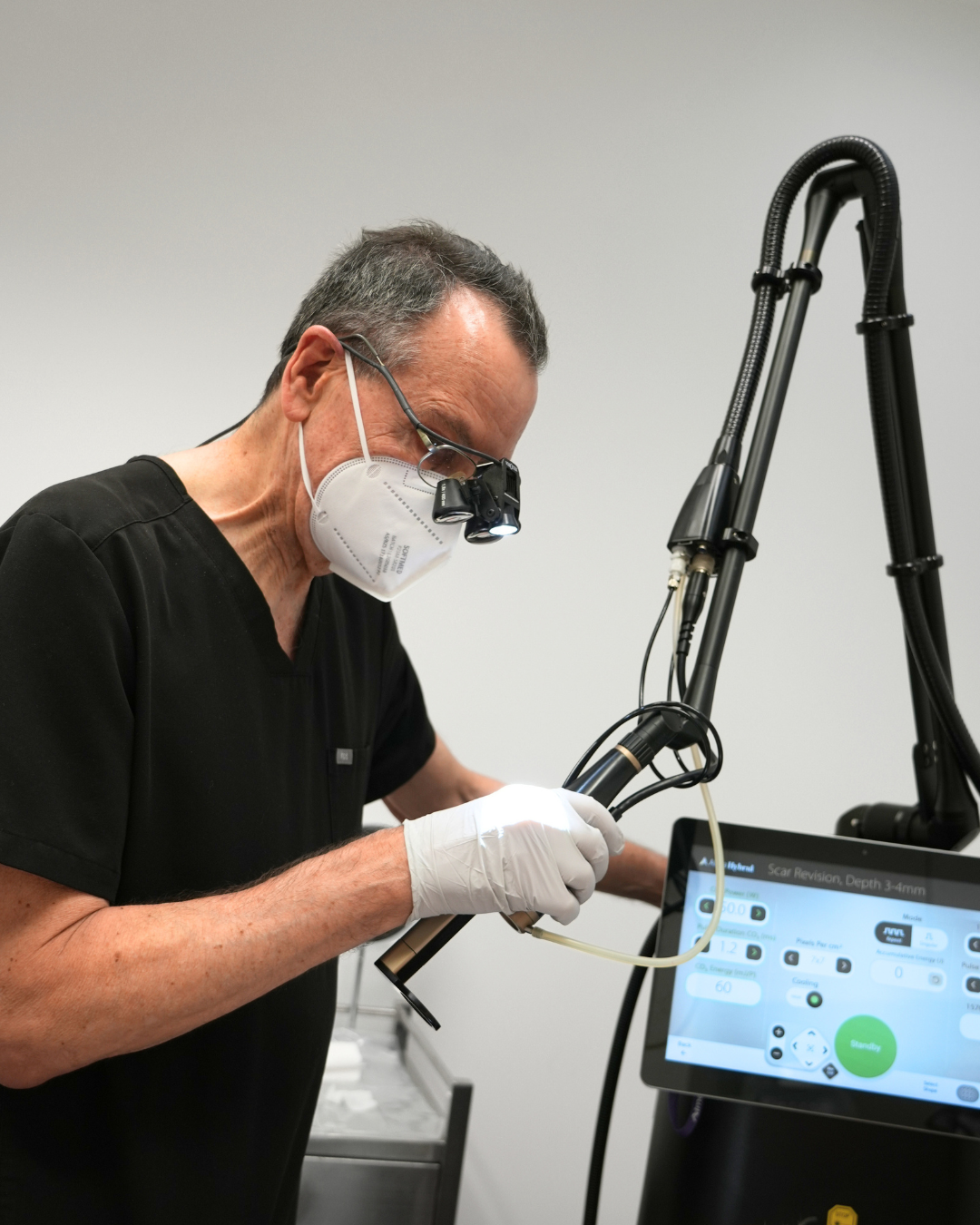
Alma Hybrid Laser™
Alma Hybrid™ laser may help improve the appearance of acne scarring by resurfacing the skin and stimulating collagen remodelling. It may be suitable for certain types of atrophic acne scars, including rolling and boxcar scars, depending on their characteristics.

Pico Laser
Pico Laser can be used for pigmentation and dark marks left behind by acne. It may be considered for post-inflammatory hyperpigmentation associated with acne, depending on the type and characteristics of the pigmentation.
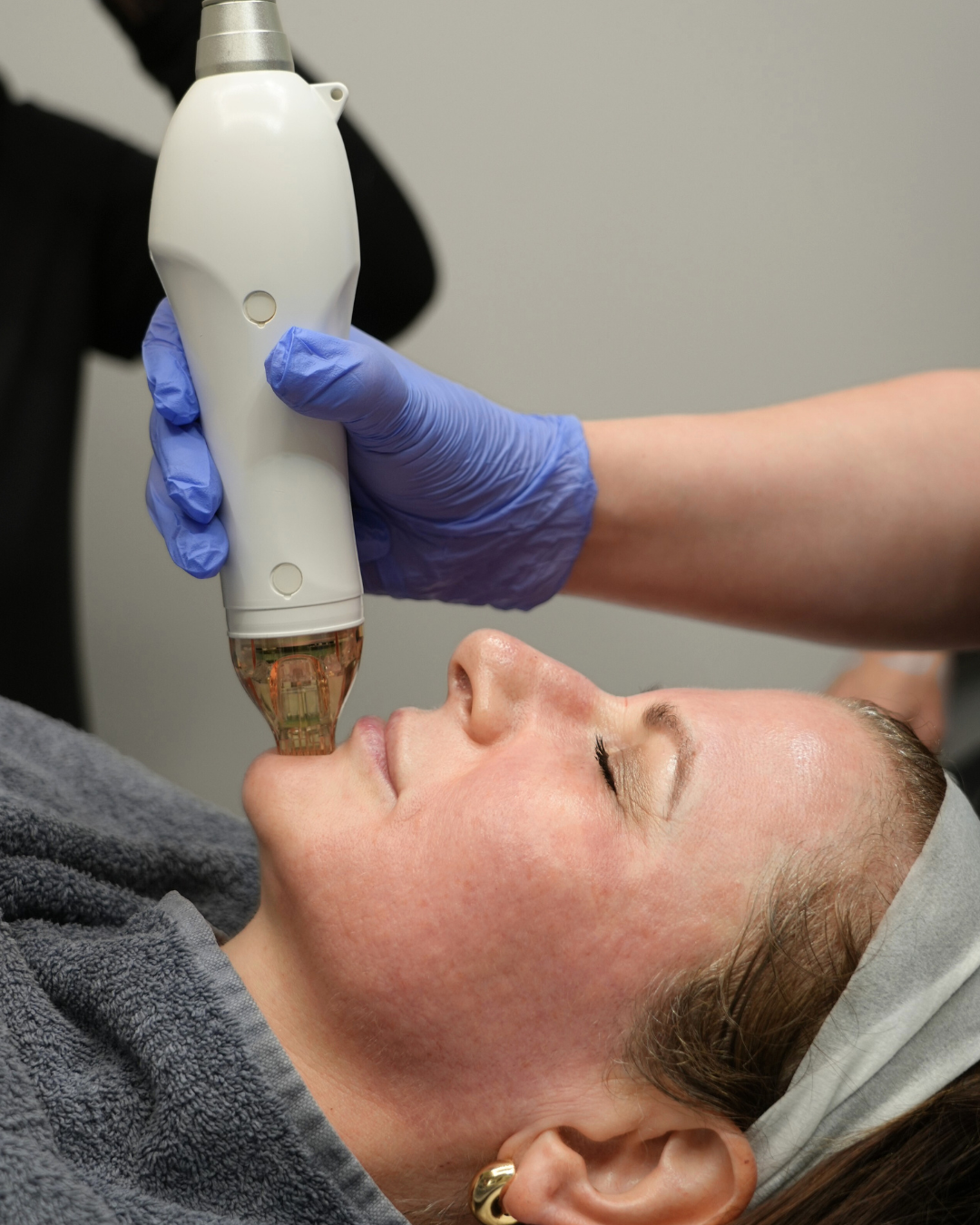
Secret RF Microneedling
Secret RF Microneedling combines microneedling with radiofrequency energy to stimulate collagen production and support skin remodelling. It can be used for acne scars, uneven skin texture and atrophic acne scarring, with treatment tailored to the type and characteristics of your scars.
Subcision
Subcision is commonly used for rolling scars. During treatment, a specialised needle is used beneath the skin to release the fibrous bands that pull the scar downward. This allows the skin surface to lift and may stimulate new collagen formation.
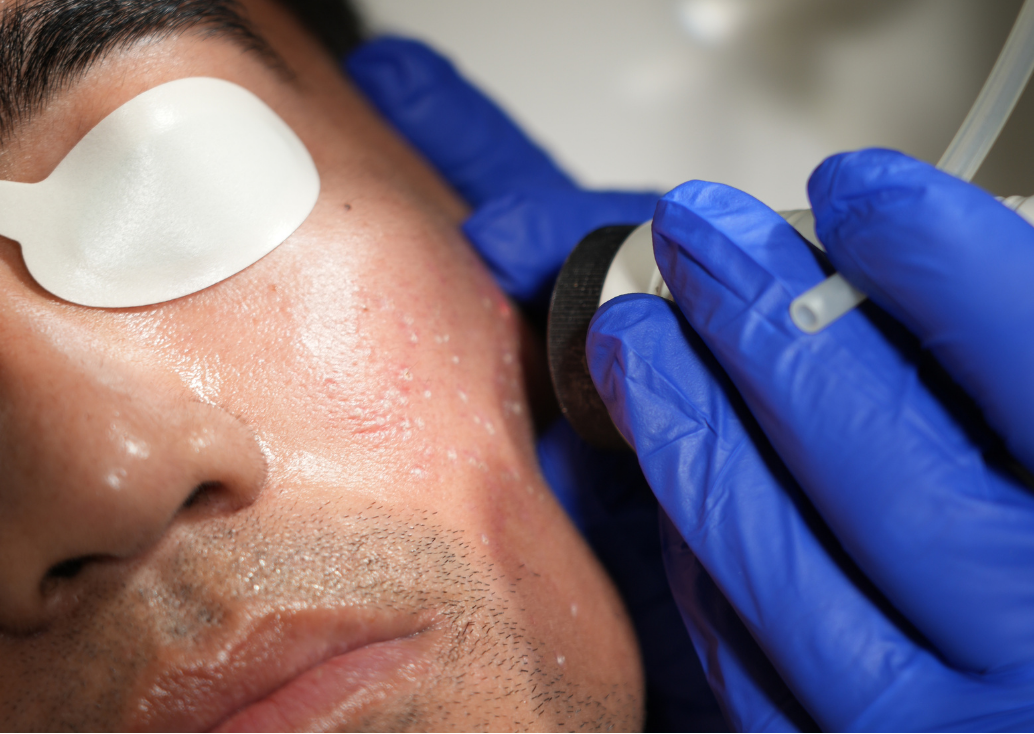
Fractionated CO2 Laser
Fractionated CO2 laser creates tiny treatment zones within the skin while leaving surrounding tissue intact to assist healing and is ideal for helping with skin texture. It may help improve the appearance of deeper acne scarring, particularly certain atrophic scars such as boxcar and rolling scars.

Skin Needling
Skin Needling stimulates the skin’s natural healing response to encourage collagen production and skin remodelling. It can be used for acne scars and uneven skin texture, particularly mild to moderate atrophic acne scarring.
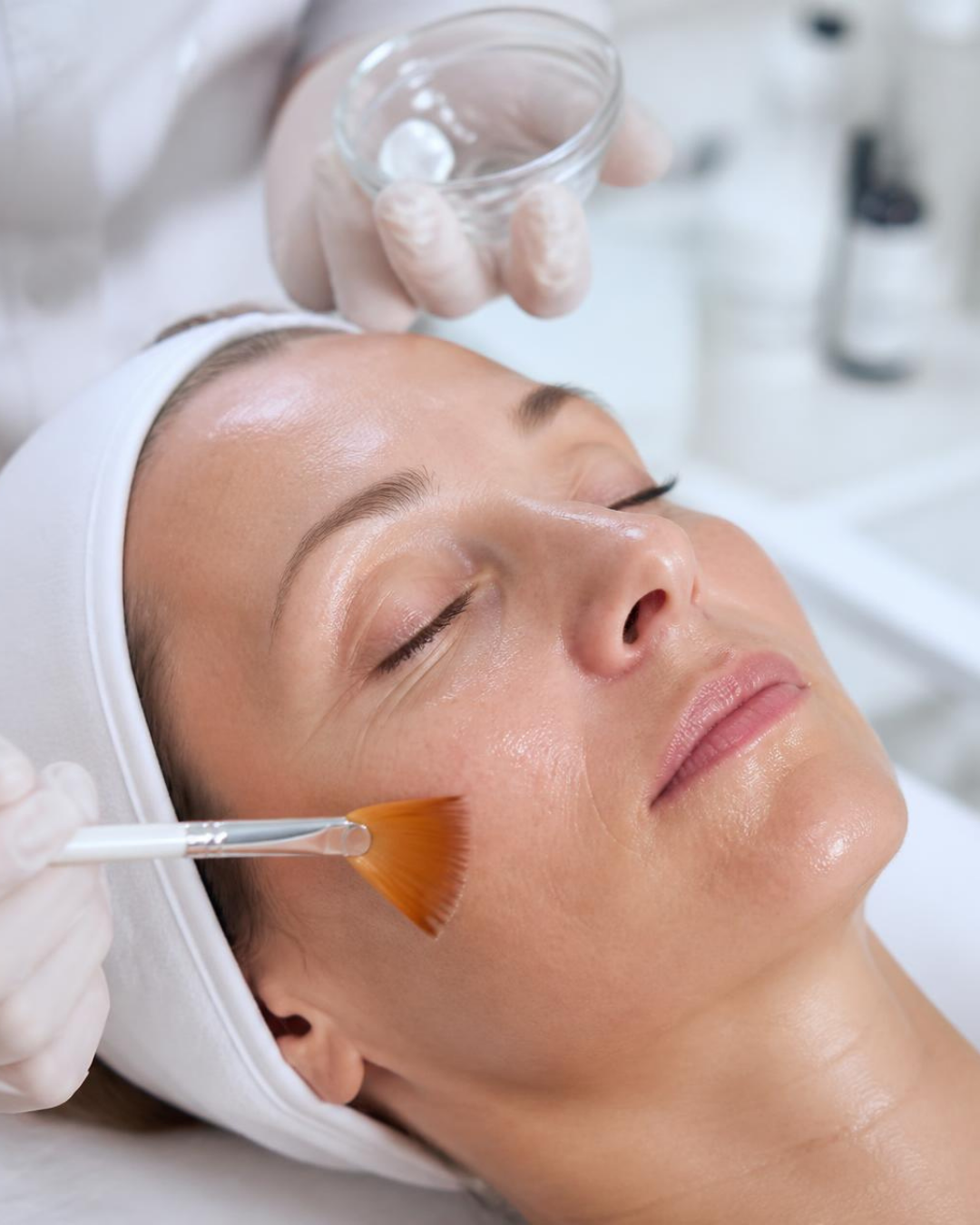
Chemical Peels
Selected chemical skin peels may improve superficial acne marks, pigmentation and mild textural irregularities. They are generally not suitable as a standalone treatment for deeper acne scars but may form part of an overall treatment plan.
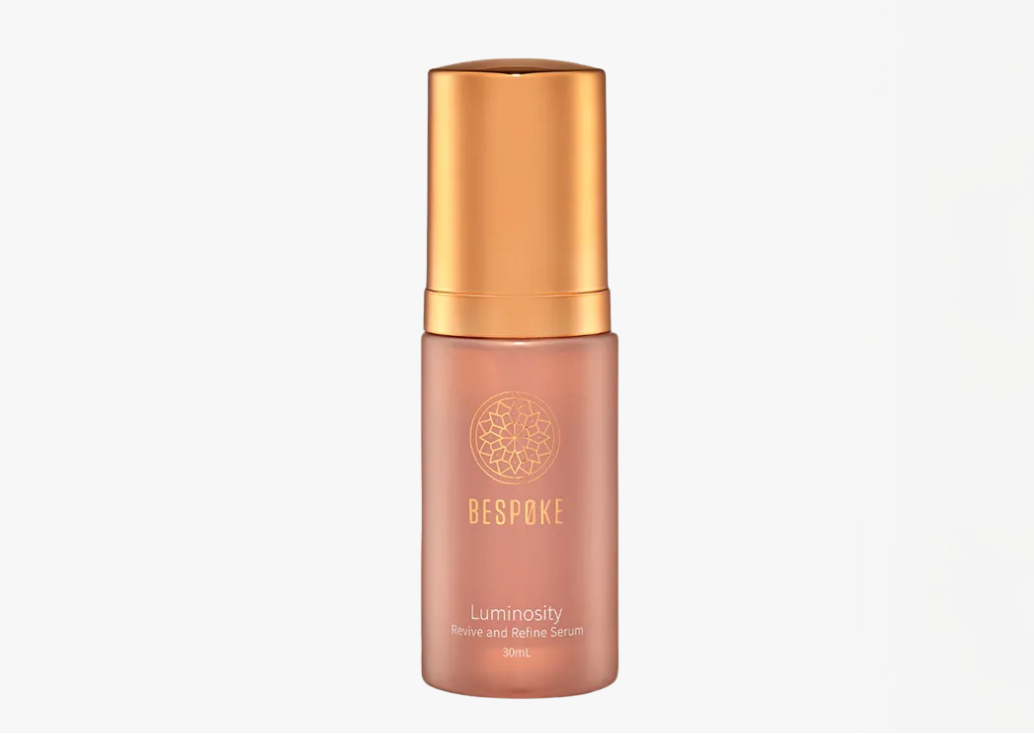
Supporting Skincare
Supporting skincare can help improve the overall appearance and texture of skin affected by acne scarring, while maintaining the skin barrier and supporting skin health. Shop supporting skincare at Script today.
Ready to explore your acne scar treatment options?
Book a consultation with one of our experienced dermatologists to have your acne scarring assessed and discuss treatment options tailored to your skin.
Frequently Asked Questions
-
While many acne scars can be significantly improved, complete removal is not always possible. The degree of improvement depends on factors including:
The type of acne scar
The depth of the scars
Your skin type
Your body's healing response
The treatment methods used
Most patients notice gradual improvements over several months as collagen continues to remodel following treatment.
-
It is generally recommended that active acne be well-controlled before beginning scar treatments.
Treating ongoing acne at the same time as scar management may not always be appropriate, as new breakouts can continue to create additional scars.Your dermatologist can advise on the best timing for treatment.
-
True acne scars usually do not disappear completely on their own. However, red or brown marks left after acne often fade gradually over time.
-
There is no single "best" treatment. The most appropriate option depends on the type of acne scar, its severity and your skin type. Many patients benefit from a combination of treatments.
-
Yes. Even scars that have been present for many years may respond to treatment. Your dermatologist can discuss which options may be appropriate after assessing your skin.
Please note: All procedures carry risks, potential side effects, and possible complications, and may not be suitable for everyone. A consultation with a registered health practitioner is required to determine if this treatment is appropriate, and further information will be provided before you decide to proceed. Outcomes cannot be guaranteed and results vary between individuals. Before and after images reflect the patient pictured and may differ for others.
This page is for informational purposes only and does not constitute medical advice. Please seek personalised guidance from a registered health practitioner regarding your individual circumstances.