

When should you be concerned about hives?
Most people experience hives at some point in their lives. They can appear suddenly, cause intense itching, and often disappear within hours or days.
For many people, hives are temporary and may occur in response to a trigger such as an infection, medication, food, heat, or stress.
However, for some people, hives can become ongoing, recurring, or difficult to control. When hives continue for more than six weeks, they are known as chronic urticaria and may require further assessment and management.
What are hives?
Understanding what hives are and why they occur can help explain why they appear suddenly, cause intense itching, and sometimes become a recurring problem.

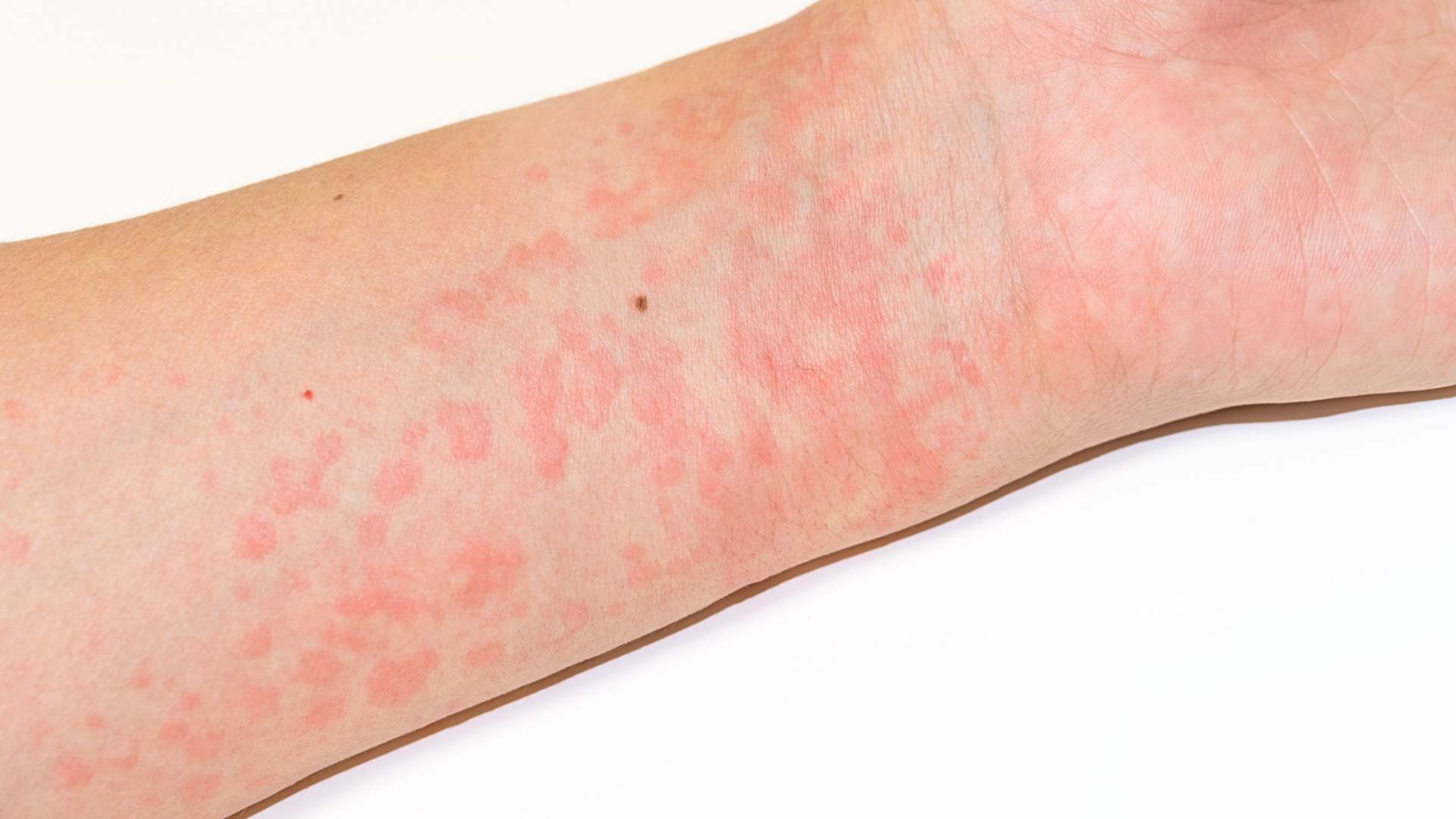
Hives, also known as urticaria, are a common skin condition that causes raised, itchy welts to appear on the skin. They can develop anywhere on the body and may be pink, red, or skin-coloured, varying in size from small spots to larger patches.
Hives occur when immune cells in the skin called mast cells release histamine and other inflammatory chemicals. This causes small blood vessels to leak fluid, resulting in the characteristic swelling, redness, and intense itching.
A key feature of hives is that they can change quickly. Individual welts often appear and disappear within 24 hours, with new areas of skin becoming affected as others settle.
What are the symptoms of hives?
Recognising the symptoms of hives can help you understand what is happening in the skin and when symptoms may require further assessment.
Common symptoms include:
Raised, itchy welts on the skin
Red, pink, or swollen patches
A burning or stinging sensation
Swelling that appears and disappears
Symptoms that worsen with triggers such as heat, pressure, stress, or exercise
Some people may also experience angioedema, which is deeper swelling beneath the skin. This commonly affects areas such as the lips, eyelids, hands, or feet.
While many cases of hives are temporary, ongoing or recurring symptoms may require medical advice, especially if they continue for longer than expected or begin affecting daily life.

Why do hives keep coming back?
Hives can become a chronic skin condition when symptoms continue for more than six weeks. This is known as chronic urticaria. Chronic hives may occur almost daily or flare unpredictably over time. While some cases eventually resolve on their own, others may persist for months or even years.
Importantly, chronic hives are not always caused by a traditional allergy. In many cases, no single trigger can be identified. This can make the condition frustrating to live with, but it also means that identifying the underlying cause often requires a thorough assessment by a dermatologist.
Chronic urticaria is generally divided into two broad categories:
Chronic Spontaneous Urticaria
This occurs when hives appear without an obvious external trigger. Symptoms may fluctuate and can sometimes be associated with autoimmune activity.
Inducible Urticaria
This type occurs in response to a physical trigger such as heat, cold, pressure on the skin, exercise, sun exposure, sweating, or water exposure. Some people may experience a combination of both forms.
What causes long-term hives?
There is not always one clear explanation for chronic hives. Unlike short-term hives, which are often linked to a specific allergic reaction, chronic urticaria can develop due to a range of factors. In many cases, no single cause can be identified.
Some factors that may contribute to long-term hives include:
Immune system changes- In some people, chronic urticaria may be linked to an overactive immune response, where the immune system mistakenly activates inflammatory pathways in the skin, causing hives and swelling.
Infections- Certain viral infections may trigger hives that continue even after the initial illness has resolved.
Medications- Some medications, including certain anti-inflammatory medications and antibiotics, may contribute to hives or worsen symptoms in some individuals.
Physical triggers- Factors such as pressure, temperature changes, friction, or exercise can trigger flare-ups in some people with chronic hives.
Stress- Stress does not directly cause chronic hives, but it may worsen symptoms or contribute to more frequent flare-ups in people who are already prone to the condition.
No identifiable cause- In many cases of chronic urticaria, no specific trigger or underlying cause can be identified despite investigation. This is known as chronic spontaneous urticaria.
When should you see a dermatologist about hives?
While many cases of hives are mild and temporary, there are situations where medical assessment is important. You should consider seeking medical advice if:
Hives continue for more than a few weeks
Symptoms are becoming more frequent or severe
Over-the-counter treatments are not helping
Swelling affects the lips, face, or eyes
Symptoms interfere with sleep or daily life
You are unsure of the trigger
Hives occur alongside fever, bruising, joint pain, or other symptoms
Urgent medical attention is needed if hives are accompanied by difficulty breathing, wheezing, tongue swelling, dizziness, or collapse. These symptoms may indicate a severe allergic reaction and require emergency care.
How are chronic hives diagnosed?
Diagnosing chronic urticaria starts with understanding your symptoms, including when they started, how often they occur, how long they last, and any potential triggers. There is not always a single test that can confirm chronic hives. Instead, dermatologists use your medical history, a skin examination, and targeted investigations to assess your condition and rule out other possible causes. Your dermatologist may also ask about medications, family history, associated medical conditions, and patterns in your flare-ups.
Keeping track of when your hives appear and how long they last can help provide valuable information to guide diagnosis and treatment.
How are long-term hives managed?
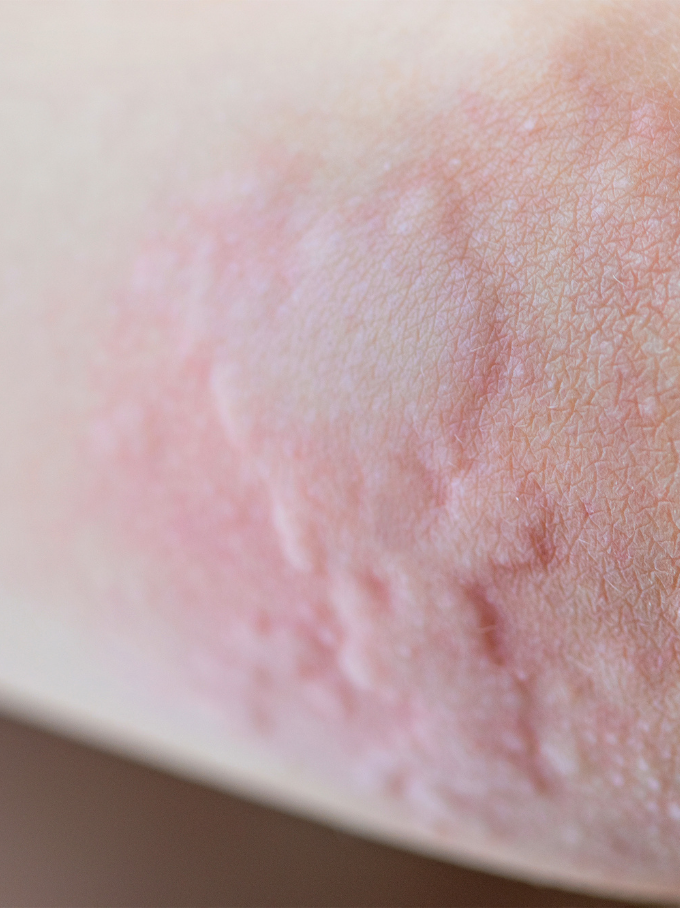
Long-term hives are managed by focusing on reducing symptoms, controlling flare-ups, and improving daily comfort. Treatment may include medications to help reduce itching and swelling, along with lifestyle measures that may help minimise irritation, such as avoiding overheating, wearing loose clothing, and using gentle, fragrance-free skincare products.
The right treatment approach will depend on your symptoms and how your condition responds over time. A dermatologist can develop a personalised management plan to help reduce flare-ups.
Living with chronic hives?
Living with chronic hives can be frustrating and unpredictable. The ongoing itching, visible welts, and disruption to sleep or daily activities can have a significant impact on your everyday life. While chronic hives can be difficult to manage, understanding your condition and finding the right treatment approach can help reduce flare-ups and improve symptoms.
If your hives keep coming back, last for more than six weeks, or are affecting your daily life, it may be time to seek advice from a dermatologist. Early assessment can help you better understand your condition, explore treatment options, and find an effective approach to managing your symptoms. Arrange a consultation with one of our dermatologists today.