Why do dermatologists sometimes recommend combining treatments?
When it comes to skin health, there is rarely a single solution that addresses every concern.
Many people seeking support for concerns such as pigmentation, redness, uneven texture, sun damage, scarring, or age-related skin changes often discover that their skin may benefit from a personalised combination of skin treatments, rather than a single approach.
In dermatology and cosmetic medicine, the idea of combining treatments has become increasingly common. The goal is not necessarily to do more treatment, but to use different technologies and approaches that target different aspects of skin health.
So, can combining treatments improve skin health?
The answer depends on your skin concerns, goals, medical history, and suitability for treatment. For many patients, a personalised treatment plan incorporating multiple modalities may help address multiple skin concerns at once.
Why one treatment alone may not be sufficient.
The skin is a complex organ made up of multiple layers, and different skin concerns often originate within different depths. As a result, each concern may require a tailored approach depending on where it sits in the skin and the factors contributing to it. For example:
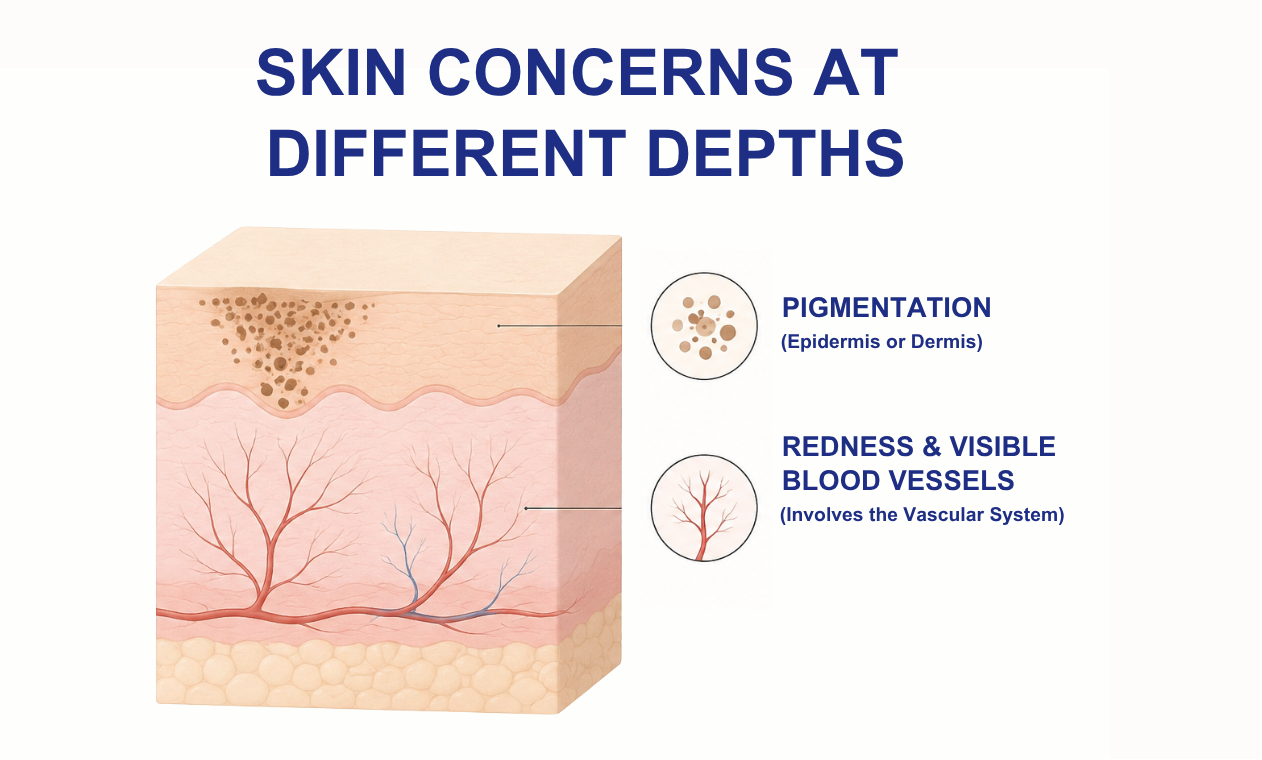
Pigmentation may sit within the epidermis or dermis.
Redness and visible blood vessels involve the vascular system.
Fine lines and wrinkles are related to changes in collagen and elastin.
Acne scarring affects skin texture and deeper skin structures.
Sun damage may affect multiple layers simultaneously.
This is one reason why dermatologists and cosmetic practitioners may recommend combining treatments as part of a more comprehensive approach to skin health and rejuvenation.
What does a combination treatment approach mean?
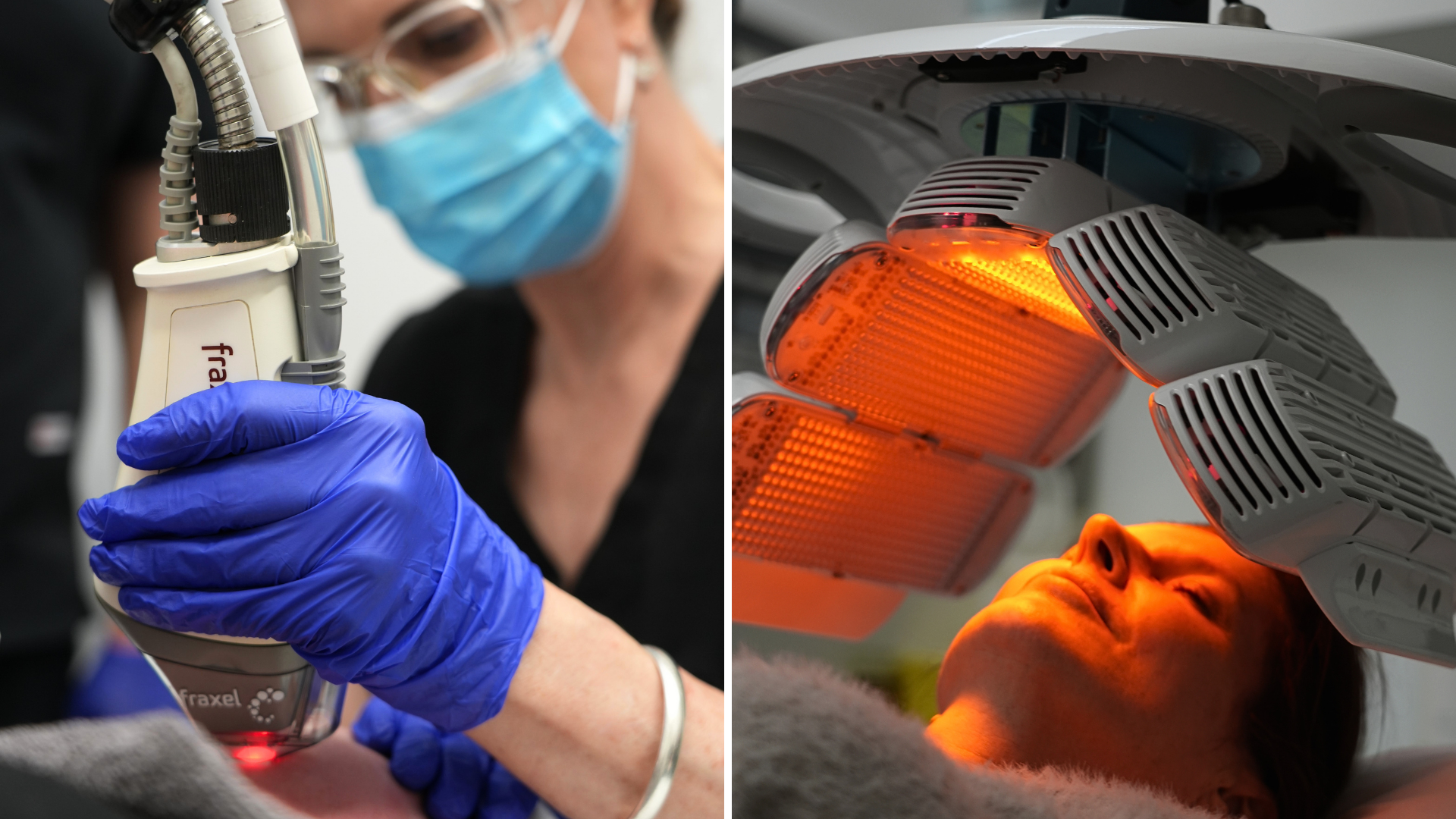
A combination treatment approach involves using two or more treatments together as part of an overall skin management plan. This allows different aspects of a concern, and different layers of the skin, to be targeted more effectively.
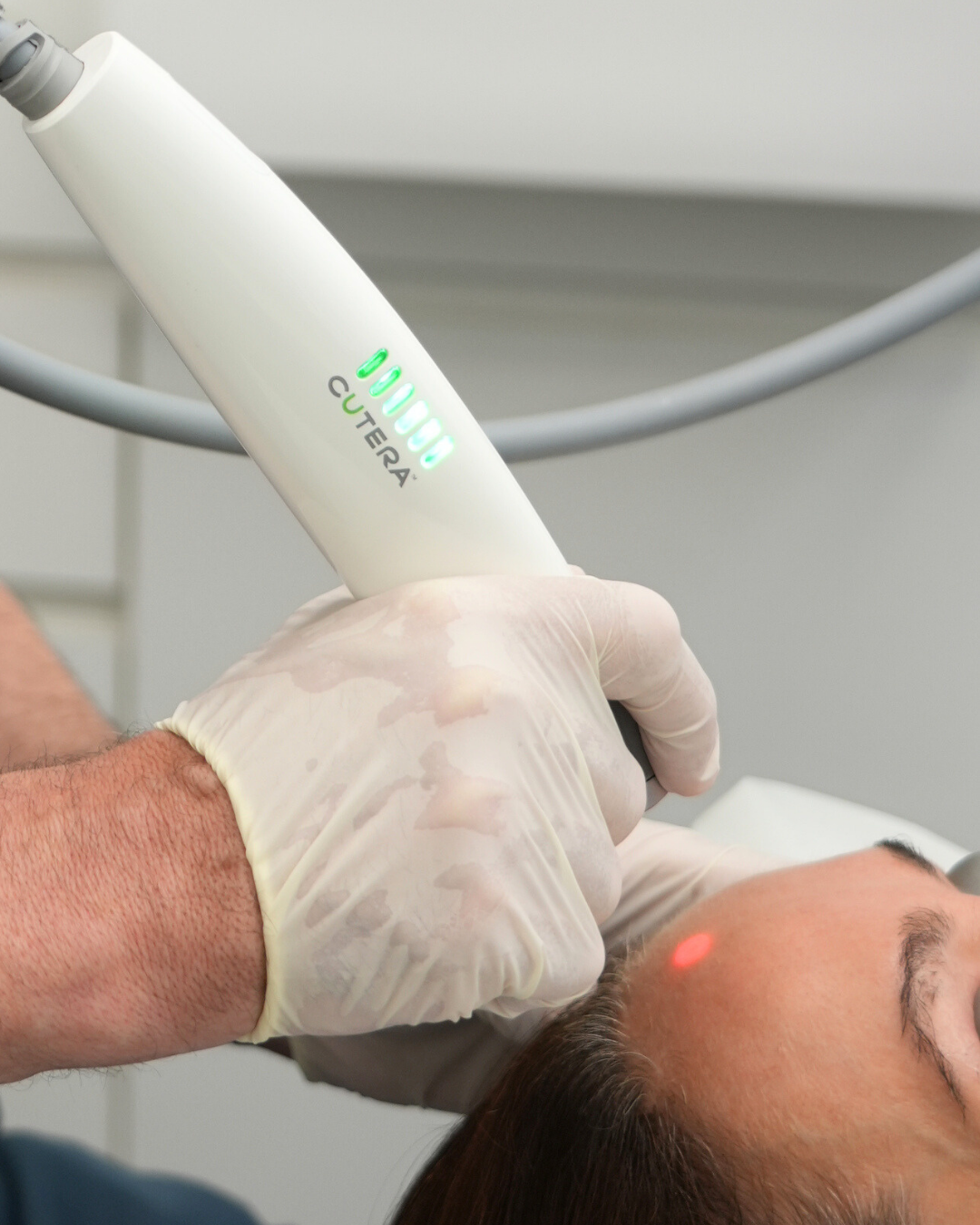
Laser Genesis™
This may involve :
Radiofrequency microneedling
Ultrasound-based technologies
Medical-grade skincare
These treatments may be performed on the same day, over several appointments, or as part of a longer-term skin maintenance strategy.
The most appropriate combination depends on the individual patient and their specific skin concerns.
Supporting different aspects of skin health.
A person may be concerned with multiple issues such as uneven skin texture, sun damage, fine lines, and pigmentation, and these issues often involve both superficial and deeper layers of the skin.
Combining treatments can be beneficial because different treatments work in different ways. Some focus on improving the skin’s surface, while others help stimulate deeper repair processes such as collagen production or pigment balance. Used together, they can support multiple aspects of skin health at the same time, creating a more comprehensive overall result.
The role of collagen.
Collagen is a naturally occurring protein that provides structure, strength, and support within the skin. As we age, collagen production gradually declines. This process can be further influenced by factors such as ultraviolet exposure, smoking, environmental stressors, and genetics.
These changes in collagen are important because they can contribute to common skin concerns such as fine lines, loss of firmness, uneven texture, and slower skin repair.
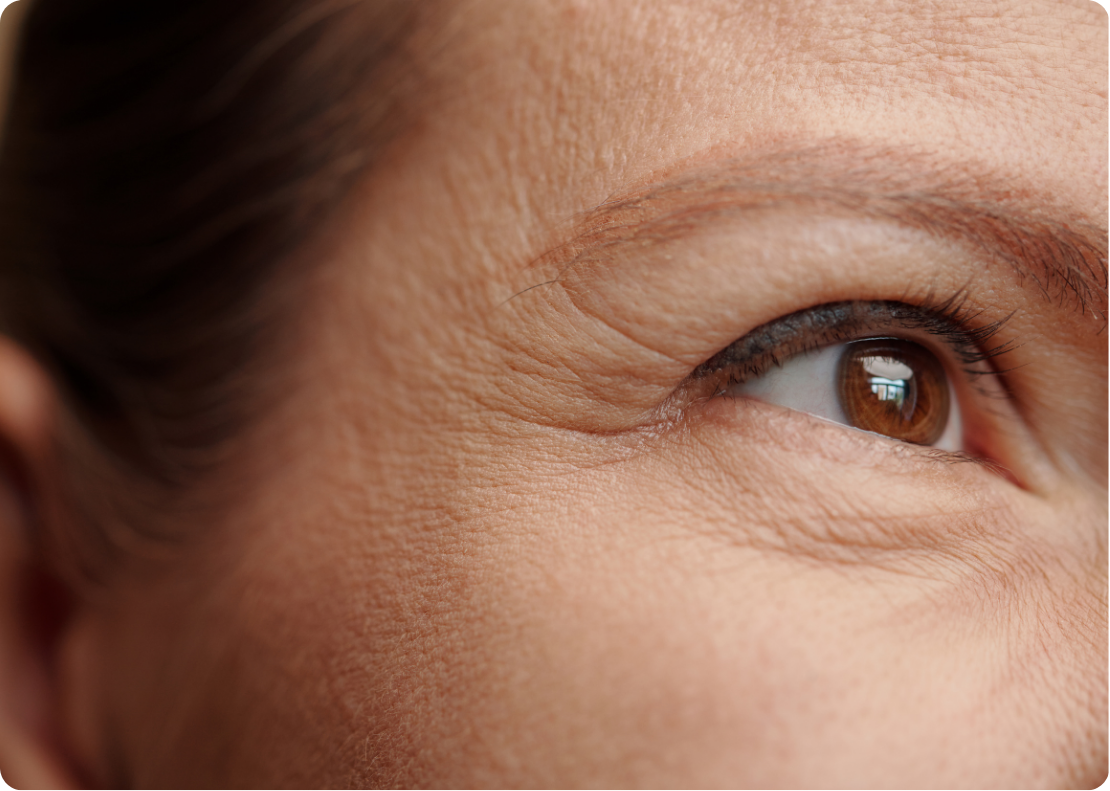
Fine Lines
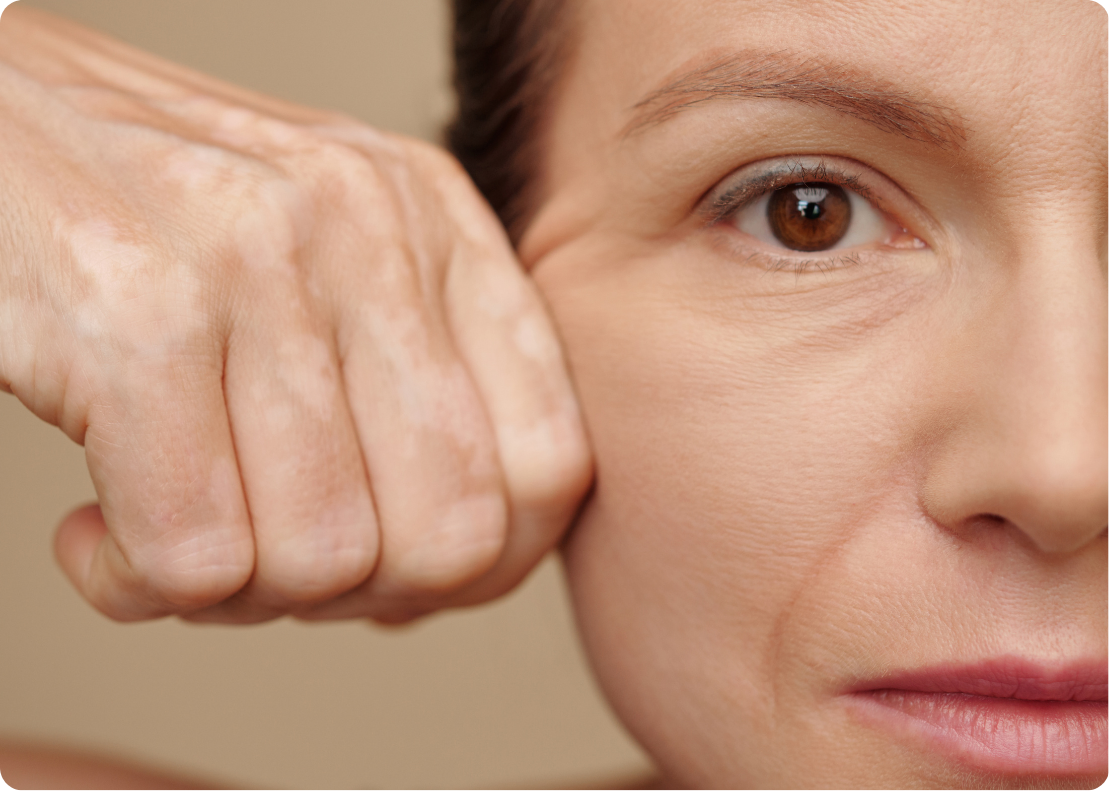
Loss of Firmness
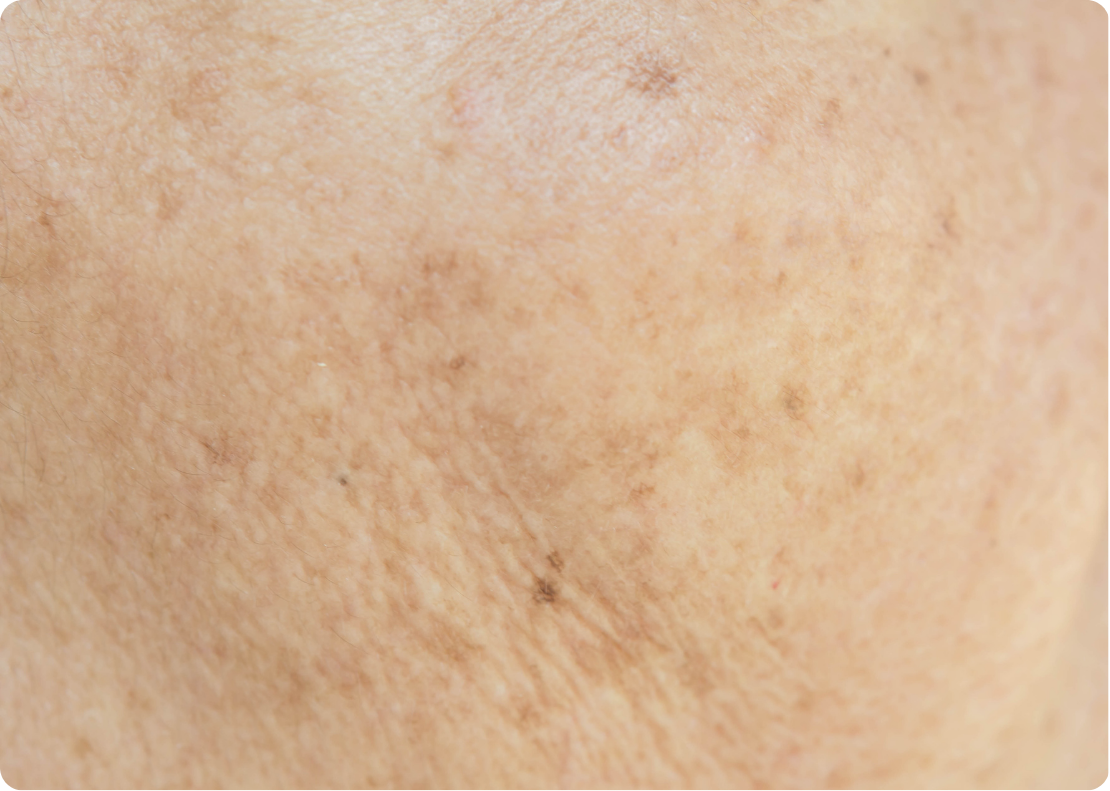
Uneven Texture
Deeper structural changes are one reason dermatologists may recommend combining treatments, as different approaches can target both visible surface concerns and underlying skin processes. Many contemporary skin treatments are designed to work in this way, focusing not only on improving the appearance of the skin, but also on supporting its natural repair processes.
Collagen support in scar management.
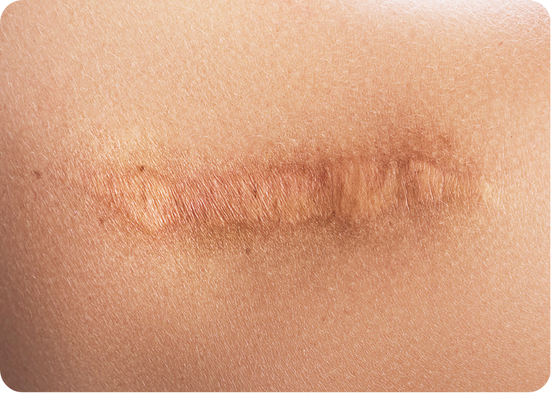
Scar
Collagen support is also an important consideration in scar management. In many cases, scar treatment approaches are combined with therapies that help support collagen remodelling within the skin.
This multi-layered approach is used to help improve overall skin quality and texture over time, particularly where deeper structural changes are involved.
It is important to note that results can vary from person to person, as factors such as skin type, healing response, and individual biology all influence how the skin responds to treatment.
Combination approach: Luxe Four-in-One Treatment
One example of a combination approach is the Luxe Four-in-One treatment. This procedure is designed to be performed in a single session and combines a Skin Peel, Laser Genesis™, Erbium Defocus Treatment, and LED Light Therapy.
This reflects how multiple technologies can be used together to target different aspects of skin health within one structured treatment plan. Each modality plays a different role, allowing concerns such as uneven texture, dullness, congestion, mild pigmentation, and early signs of ageing to be addressed in a more layered and comprehensive way.
An assessment with a qualified practitioner is important before proceeding with treatment. A personalised consultation allows your practitioner to discuss potential benefits, limitations, risks, recovery expectations, and alternative options.
Why are treatments combined with skincare routines?
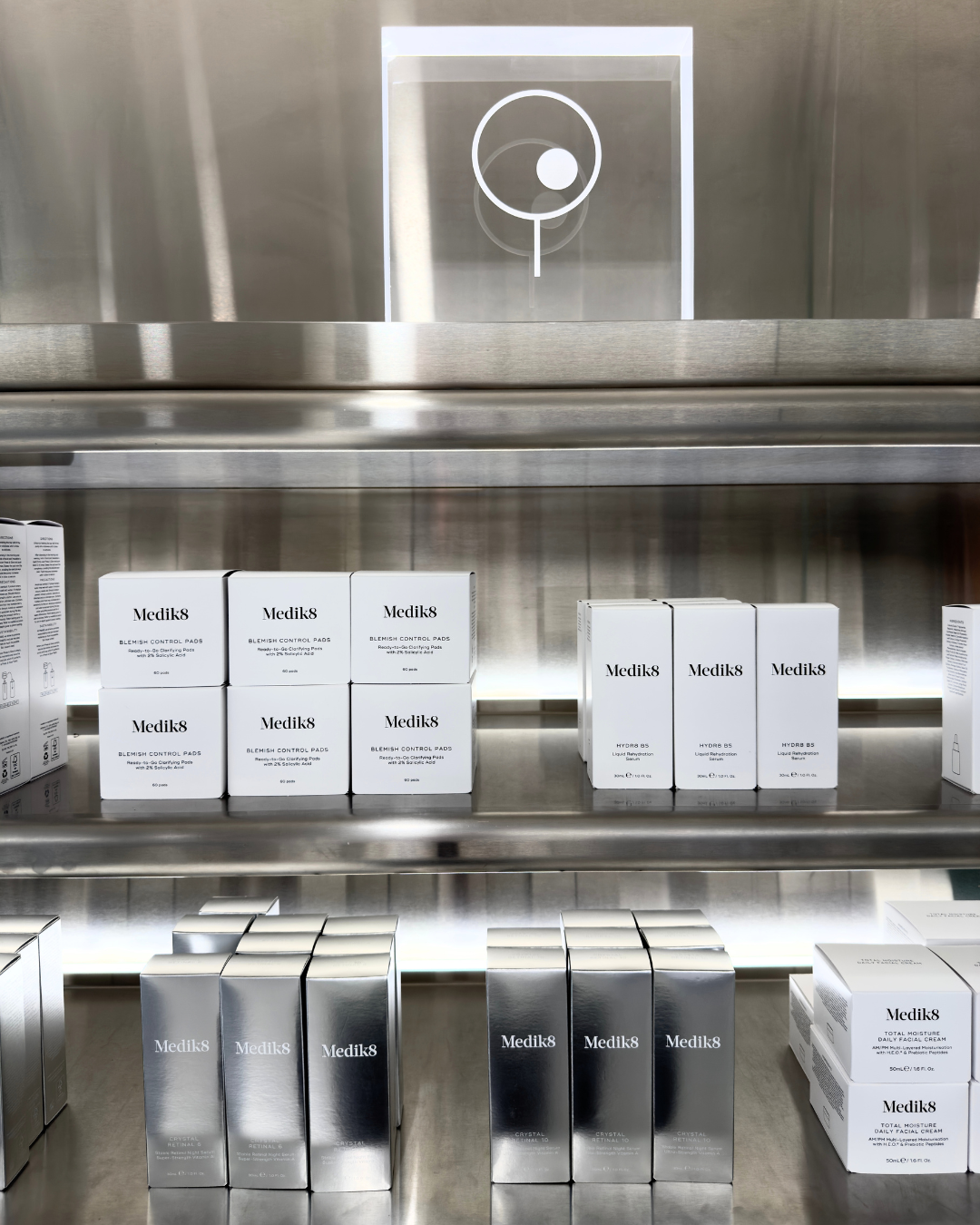
Script Skincare
Professional skincare plays an important role in maintaining overall skin health alongside in-clinic treatments. Dermatologists may recommend products that help maintain the skin barrier, protect against sun damage, support hydration, and address concerns such as pigmentation, acne-prone skin, and signs of ageing.
When combined, in-clinic treatments and at-home skincare work in a complementary way, supporting both immediate treatment outcomes and longer-term skin health goals.
The importance of a dermatology-led approach.
One of the advantages of seeking advice from a dermatologist is access to a comprehensive assessment of your skin. Many skin concerns can appear similar on the surface but have very different underlying causes.
For example, pigmentation may have multiple causes; redness can be associated with several skin conditions, scarring varies significantly in depth and severity, age-related skin changes differ from sun-related skin damage, and these are just four we can think of now.
Understanding the underlying cause helps inform whether a treatment combination may be appropriate.
Looking beyond treatment.
While treatments can play a role in supporting skin health, they are only one part of the picture.
Other important factors include:
Smoking cessation
Balanced nutrition
Adequate sleep
Managing stress
Appropriate skincare
Regular skin checks
Healthy skin is often the result of consistent care over time rather than a single treatment or procedure.
In some cases, combining treatments may help address different aspects of skin health within a structured plan, targeting both surface concerns and underlying skin processes.
At the Dermatology Institute of Victoria, our team works with patients to understand their skin concerns and provide tailored treatment recommendations. A consultation with a dermatologist or qualified practitioner can help determine the most suitable options for you.
Book a consultation with our team today.