Can you develop eczema as an adult?
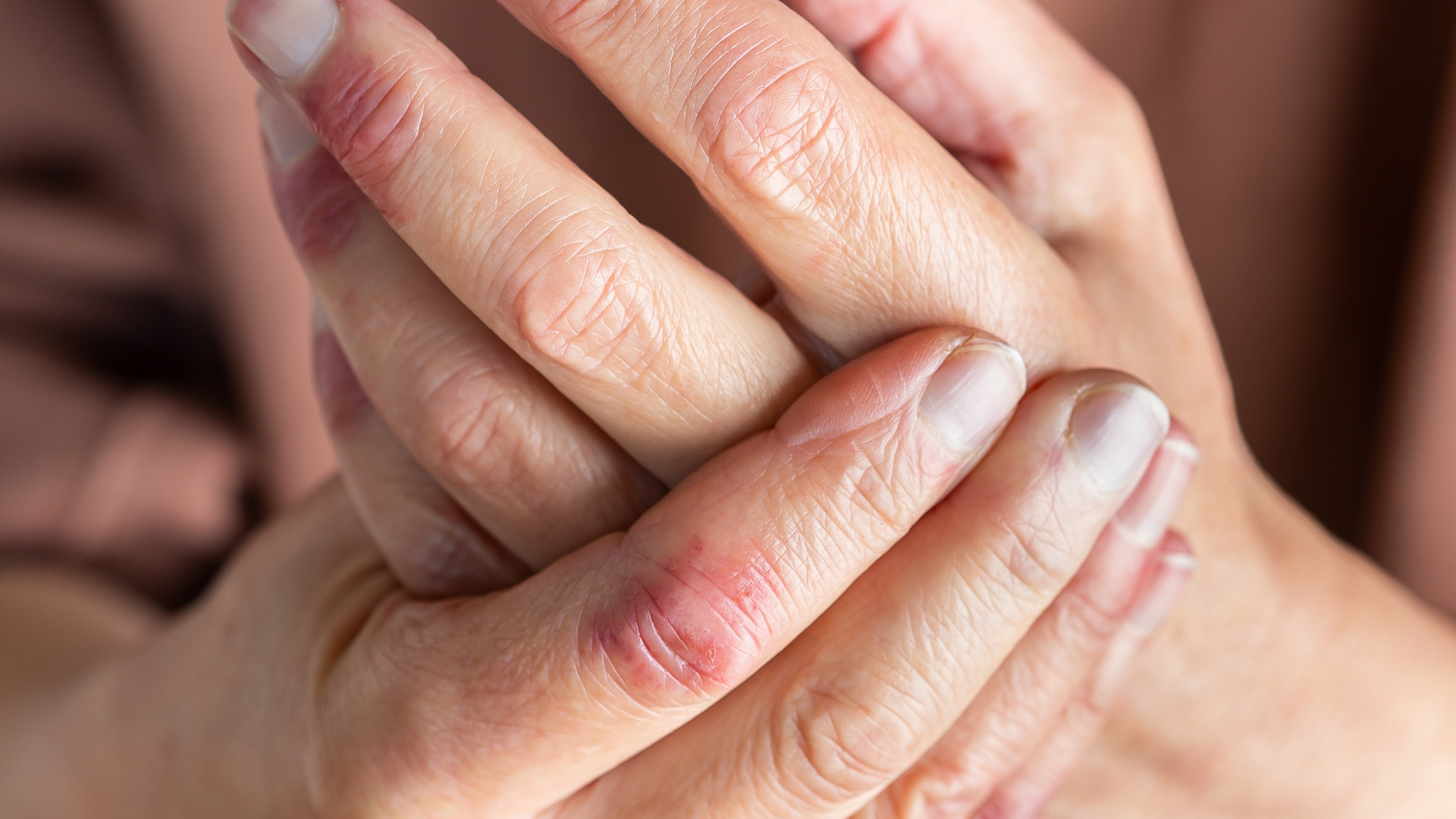
Eczema can affect people at any age. While atopic eczema commonly develops in childhood, it can persist into adulthood or appear for the first time later in life.
If you're noticing dry, itchy, red or irritated skin that doesn't seem to improve, these symptoms may be related to eczema, but other skin conditions can cause similar changes.
Understanding the different types of eczema and what may trigger them can help you recognise when it's time to seek advice from a dermatologist.
How eczema can change over time
Atopic eczema can follow different patterns throughout life. Some people experience symptoms continuously from childhood, while others find their eczema improves or clears for years before returning later in life.
Adult-onset atopic eczema can also develop in people who have never experienced the condition before. The factors contributing to its development can vary, and identifying these can help guide appropriate treatment.
What can eczema look like in adults?
Eczema isn't the only condition that can cause dry, itchy or irritated skin. Other skin conditions can develop in adulthood and may have similar symptoms, making it difficult to tell them apart without a proper assessment.
Atopic eczema (atopic dermatitis) can persist from childhood or develop for the first time in adulthood.
Contact dermatitis occurs when the skin reacts to an irritant or allergen, such as soaps, detergents or skincare products.
Seborrhoeic dermatitis is a related inflammatory skin condition that can cause redness and flaky skin, particularly on the scalp, eyebrows and sides of the nose.
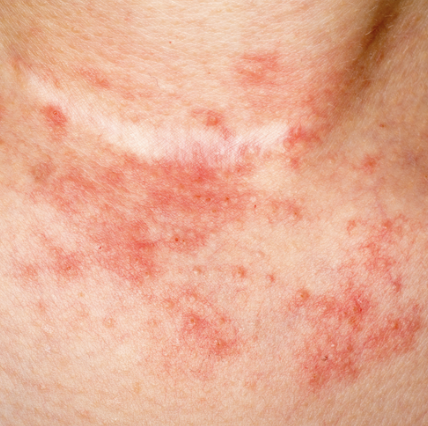
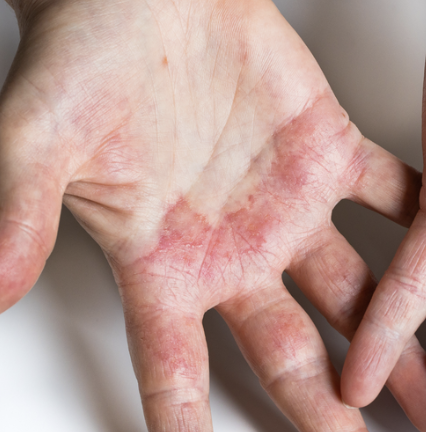
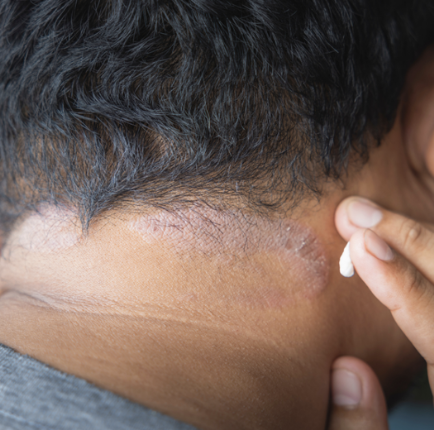
Identifying the cause of your symptoms is important, as different conditions may require different treatments. A dermatologist can assess your skin and recommend an appropriate treatment plan.
I had eczema as a child.
Why has it suddenly come back?
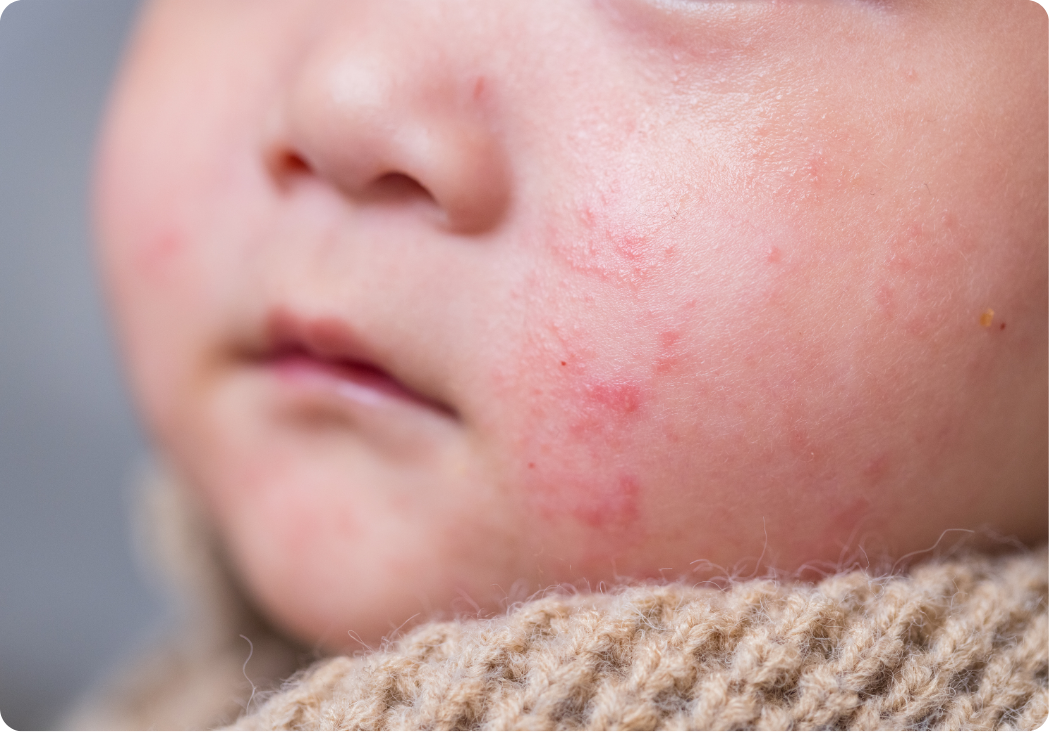
Eczema can improve or disappear for years before returning later in life. Changes in your skin barrier, environment, skincare products, exposure to irritants or allergens, stress and other health factors may contribute to its return.
This means that developing eczema at 45 or 55 doesn't necessarily mean it's a new condition. In some cases, it may be a recurrence of eczema that first appeared in childhood, even after many years without symptoms.
The role of genetics in atopic eczema
People with eczema are more likely to have a family history of eczema, asthma or hay fever.
In some people, genetic changes can affect filaggrin, a protein that helps keep the skin barrier strong and retain moisture. When the skin barrier is less effective, the skin can become drier and more vulnerable to irritation.
However, having a family history or genetic predisposition doesn't mean someone will necessarily develop eczema. The condition usually involves a combination of factors, including genetics, the skin barrier, the immune system and environmental triggers.
What else can trigger eczema in adults?
Eczema symptoms can be triggered or worsened by stress, temperature changes, sweating, soaps, detergents and fragranced skincare products.
Skin can also become drier with age, making it more sensitive to products or irritants that were previously well tolerated.
How hormonal changes may affect eczema
Hormonal fluctuations can affect the skin's moisture levels and natural barrier. During perimenopause and menopause, declining oestrogen levels can make the skin drier, potentially aggravating existing eczema or making irritation more noticeable.
These changes don't necessarily mean you have eczema, as hormonal changes can affect the skin in different ways.
When should you see a dermatologist for eczema?
If you experience persistent or recurring itchy, dry or irritated skin, a dermatologist can examine your skin and discuss your medical history, skincare products and potential triggers. This can help determine whether your symptoms are caused by eczema or another skin condition.
Our team at the Dermatology Institute of Victoria can help you understand your skin concerns and explore suitable treatment options. Book a consultation to discuss your symptoms and develop a treatment plan tailored to your needs.