
No Excuses, Just SPF: Why Sunscreen Matters More Than the Number on the Bottle
We all know we should wear sunscreen. And yet, it’s still one of the most skipped steps in a daily routine. Sometimes it’s because it feels like “too much effort.” Other times it’s confusion, SPF 30+, SPF 50+, chemical, physical… what actually matters?
Here’s the reality: in Australia, sunscreen isn’t optional. It’s one of the simplest, most effective things you can do for your skin, whether your focus is prevention, ageing, or managing existing concerns. Whenever any of our dermatologists are asked, “ What is the best anti-ageing product to use? " they always say SPF 50+ sunscreen. Truly wish some of us had been told that in the 80’s and 90’s!
Why there really is no excuse anymore
Sunscreen used to be thick, chalky, and something you only reached for at the beach. That’s no longer the case. Modern formulations are both lightweight and wearable under makeup and available in tinted, hydrating, or mattifying finishes.
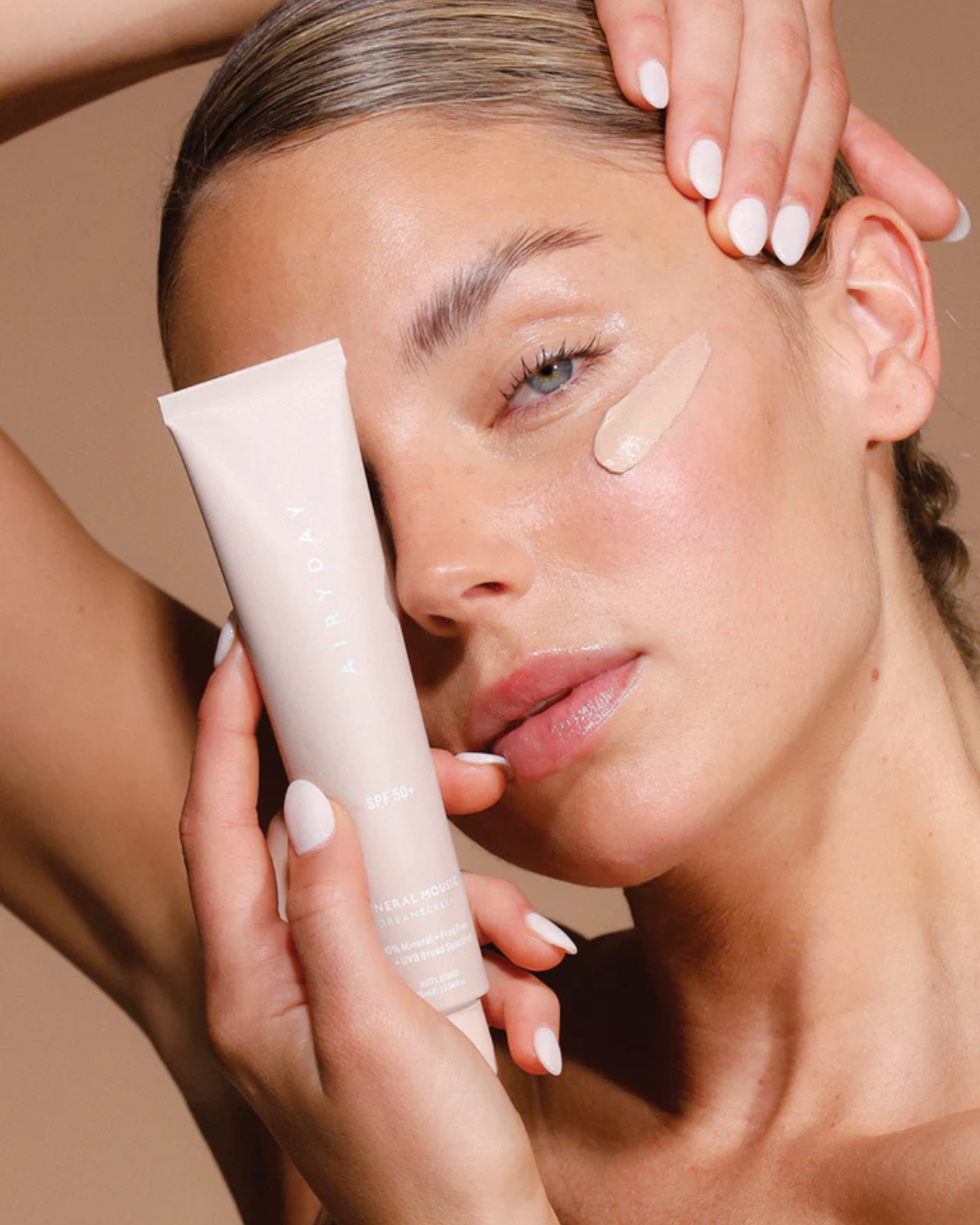
We have come a long way in regards to SPF 50+ for skin types, and sunscreens are designed for sensitive, oily, or acne-prone skin.
If you’re unsure which type suits your skin, understanding the difference between formulations can help — especially when comparing mineral and chemical options.
What hasn’t changed is the level of UV exposure we’re dealing with. In Australia, UV levels are high enough to cause damage even on cooler or overcast days, which is why regular skin checks and early detection are essential.
What SPF actually means (and what it doesn’t)
SPF — or Sun Protection Factor — measures protection against UVB rays, which are responsible for sunburn and contribute to skin cancer.
The numbers can be misleading if you take them at face value:
SPF 30+ blocks around 97% of UVB rays
SPF 50+ blocks around 98%
So while SPF 50+ is higher, it’s not double the protection.
The bigger issue is that most people don’t apply enough sunscreen to achieve the SPF stated on the label. That means an SPF 50+ applied sparingly may perform closer to an SPF 20+ in real life. Which is why, how you use sunscreen matters just as much as the number on the bottle. To make it as simple as possible, always reach for the SPF 50+.
Broad-spectrum protection is where the real value sits.
SPF only tells part of the story.
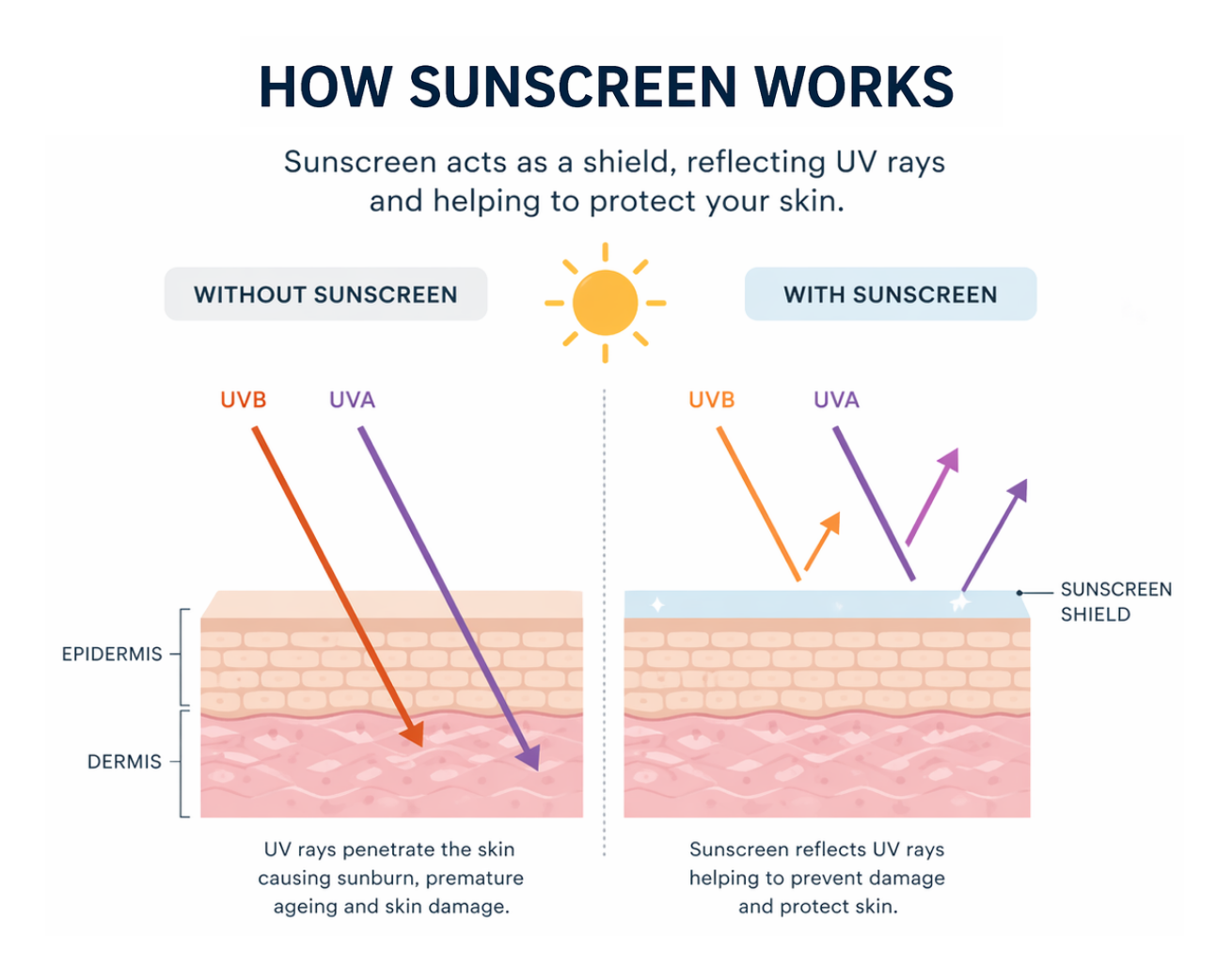
UVA rays penetrate deeper into the skin and are primarily associated with premature ageing, including fine lines, pigmentation, skin laxity, and cumulative damage that is not always immediately visible. They also contribute to skin cancer development over time by causing indirect DNA damage through oxidative stress, which gradually accumulates in the skin.
UVB rays, on the other hand, affect the more superficial layers of the skin. They are responsible for sunburn and cause direct DNA damage, making them a key driver in the development of skin cancers.
A broad-spectrum sunscreen protects against both UVA and UVB — and is essential if you’re managing conditions like pigmentation. For a deeper dive, see how sun exposure impacts melasma and pigmentation management.
Daily use vs “beach day” thinking.
One of the biggest mindset shifts is this: sunscreen isn’t just for long days outdoors.
Daily exposure from driving, walking, or sitting near windows can accumulate over time. This is often where uneven pigmentation, persistent redness, and early signs of ageing begin—particularly for those who spend a lot of time in their cars for work.
If you’re noticing ongoing redness or sensitivity, it’s worth understanding conditions like rosacea and facial redness and how UV exposure can act as a trigger.
SPF 50+ is typically appropriate for everyday wear, and reapply sunscreen during the day if you know you’ll be outdoors for extended periods.
Application: the part most people get wrong
If there’s one thing that makes the biggest difference, it’s this.. drumroll! Most people apply less than half the amount needed. As a guide:
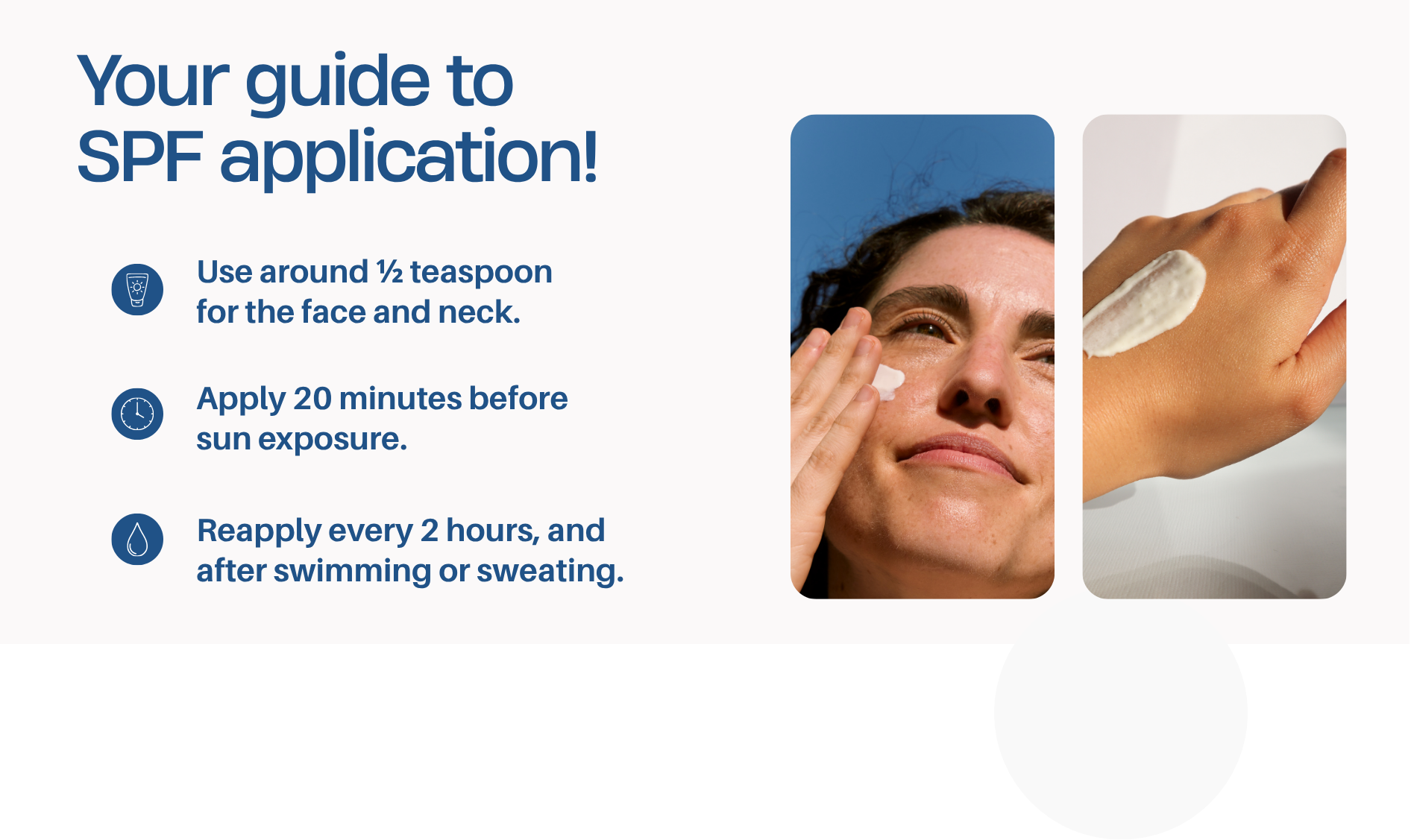
If you’ve invested in professional treatments, proper SPF use becomes even more important. Many procedures, including rejuvenation and any laser skin treatments, require diligent sun protection to maintain results and reduce the risk of complications.
Your lips need SPF too!
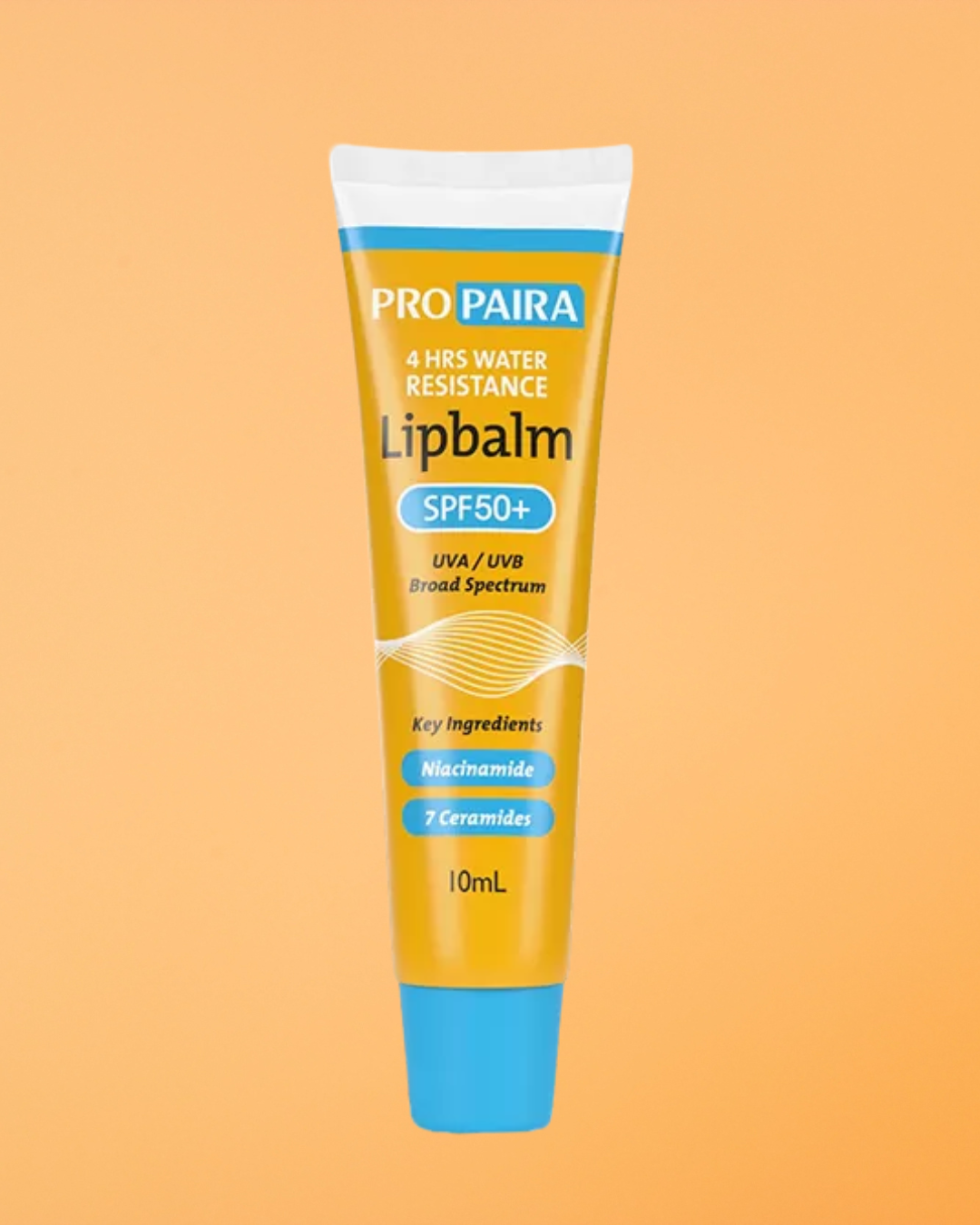
Your lips are one of the most commonly overlooked areas when it comes to sun protection.
The skin on the lips is much thinner and lacks the same protective barrier as the rest of the face, making it more vulnerable to UV damage. Over time, regular sun exposure can lead to dryness, changes in pigmentation, and can also increase the risk of skin cancers in this area.
Using a lip balm with SPF can help provide essential protection throughout the day.
Sunscreen as part of your overall skin plan
Sunscreen isn’t just about prevention; it plays a role in managing existing skin concerns as well. If you’re undergoing treatment or using skincare to address:
Pigmentation or melasma
Rosacea or redness
Acne or scarring
General skin rejuvenation
…then daily sunscreen use helps maintain and protect those results.
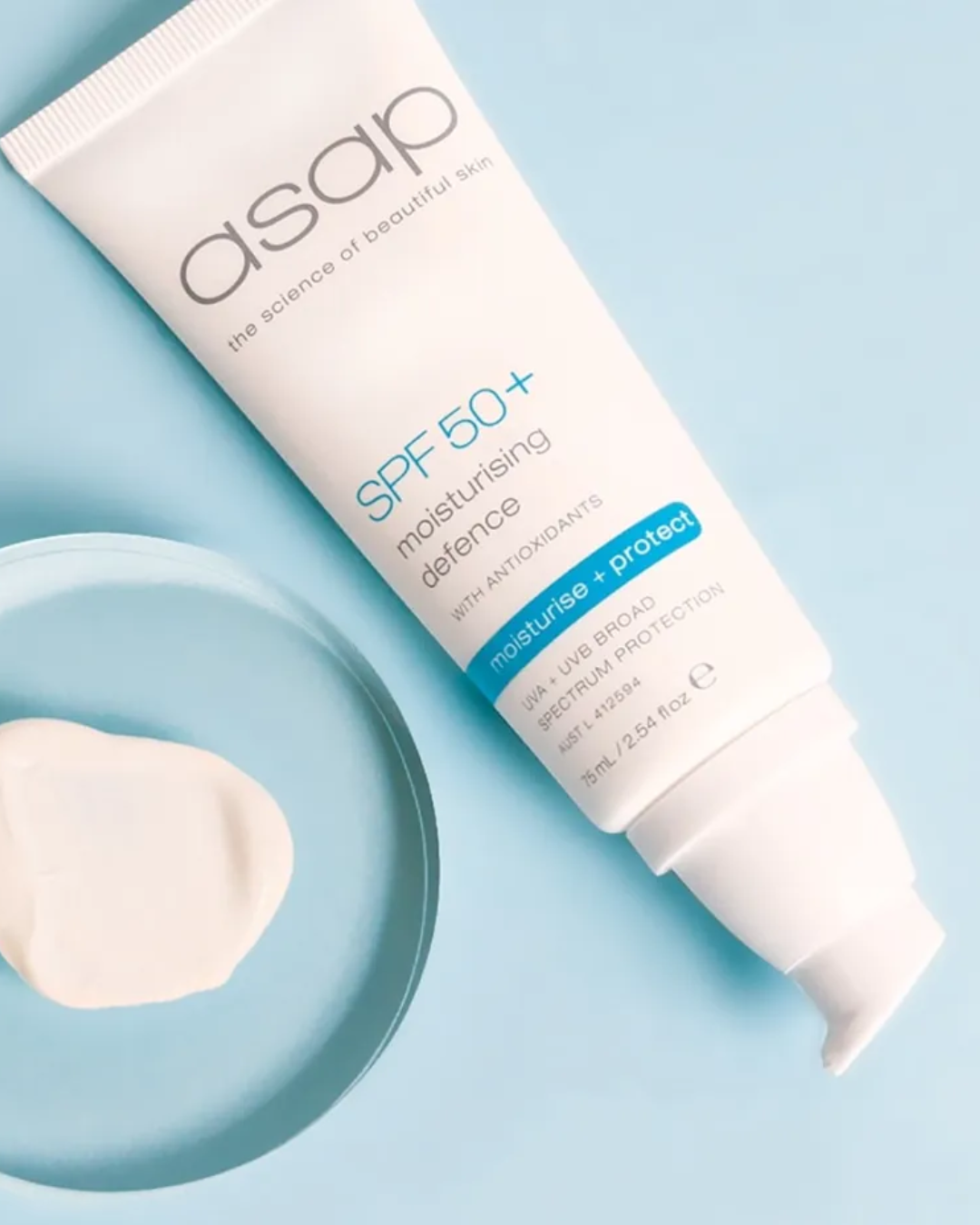
Pairing sunscreen with the right skincare products can also improve consistency and wearability. You can explore suitable daily SPF options via Script Skincare, particularly within their broad-spectrum sunscreen range.
Without sun protection, UV exposure can undermine progress and trigger recurrence of many common skin conditions.
There’s no perfect sunscreen, but there is a consistent habit.
The focus shouldn’t be on chasing the highest SPF or the “best” product. It should be about finding one that suits your skin and using it properly every day.
When it comes to skin health, it’s what you do in your daily routine that makes the biggest difference. Book a consult, skin check or treatment with our team today.