Can acne scars be treated years later?
Many people assume that once scars have “settled in,” they are permanent and that old acne scars cannot be treated. The good news is that this isn’t true.
Thanks to advances in dermatology and skin treatments, even acne scars that are years old can still be improved with the right treatment plan.
The degree of improvement will vary depending on your scar type, scar age, skin condition, and the acne scar treatment method used.
How do acne scars form?
Acne scars form as part of the skin’s natural healing process. When inflammation damages the deeper layers of the skin, the body produces collagen to repair the area. Sometimes this process creates too little collagen, leading to indented scars, or too much, causing raised or thickened scars. To better understand this, we can break the process down into a simple 3-step sequence:
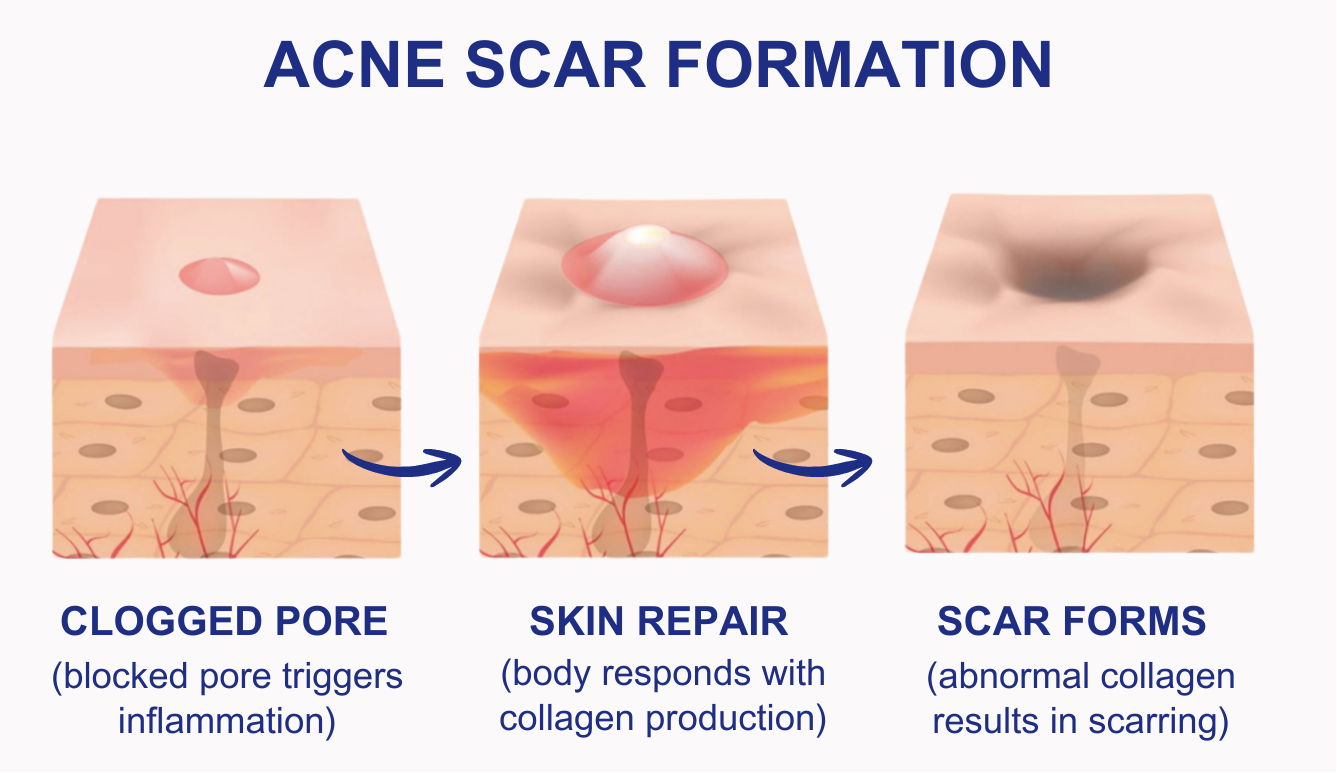
Acne Damages Skin – Blocked pore triggers inflammation, affecting collagen/structure.
Skin Repairs Itself – Body produces collagen to rebuild and strengthen damaged area.
Scar Tissue Forms – Once the repair is complete, collagen forms a scar, which becomes part of the skin.
What are the different types of acne scars?
After a pimple heals, it can leave two common types of marks.
Red marks (post-inflammatory erythema, PIE): Caused by inflammation that leaves small blood vessels visible under the skin.
Brown marks (post-inflammatory hyperpigmentation, PIH): Occur when the skin produces excess pigment in response to inflammation.
These marks often fade naturally over months to a couple of years, but professional treatments can speed up the process and improve results.
Treatment options: Red and brown marks
Red marks often respond well to the Excel V+ laser, which targets and reduces visible blood vessels, while brown marks (PIH) can be treated with the Pico laser, which breaks down excess pigment in the skin. Microneedling is an effective treatment for both types of marks because it stimulates skin repair, boosts collagen production, and gradually helps fade discolouration over time.
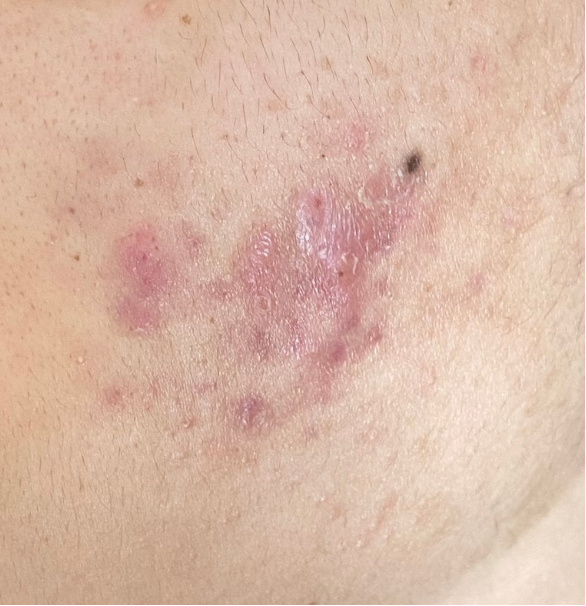
Post-inflammatory erythema (red marks)
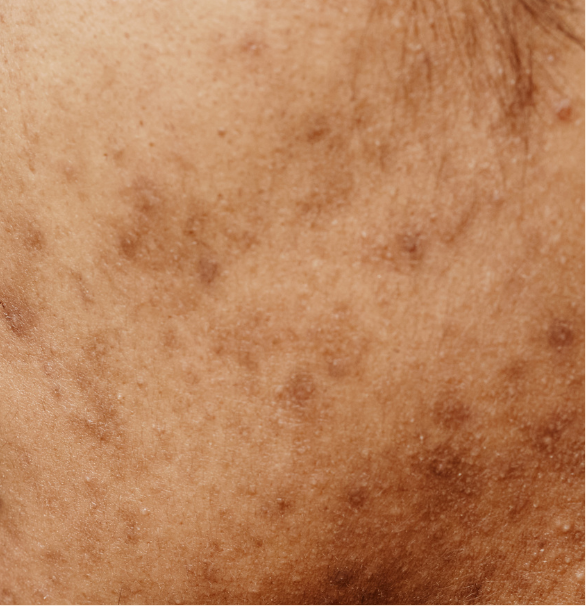
Post-inflammatory hyperpigmentation (brown marks)
Atrophic scars = more severe
Atrophic scars are sunken or indented marks that form when tissue is lost during the healing process. Common types include rolling, boxcar, and ice pick scars. These scars involve structural changes in the deeper layer of the skin, which is why they usually don’t fade on their own and often require professional treatment to improve.
Once fully formed, these scars can become more difficult to treat, requiring more collagen-stimulating treatments to help rebuild skin structure and improve texture.
Treatment options: Rolling, boxcar, and ice pick scars
Alma Hybrid™ laser– A resurfacing laser that removes damaged outer layers, remodels collagen, improves skin texture and reduce the depth of atrophic scars.
Secret RF– A radio frequency microneedling treatment that delivers energy into the dermis to stimulate collagen and gradually improve the appearance of indented scars.
Chemical peels– Medium to deep strength chemical peels help exfoliate the skin, encourage skin renewal and stimulate collagen growth.
Although atrophic scars are more challenging to treat, with the right approach, significant improvement is possible, even for acne scars that are years old.
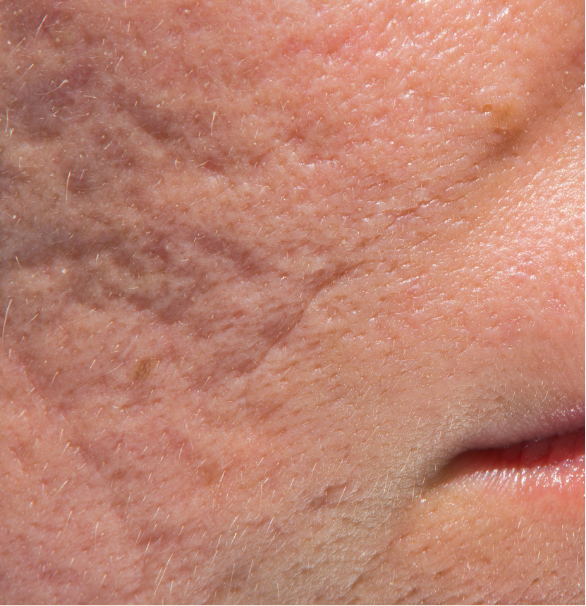
Rolling scar
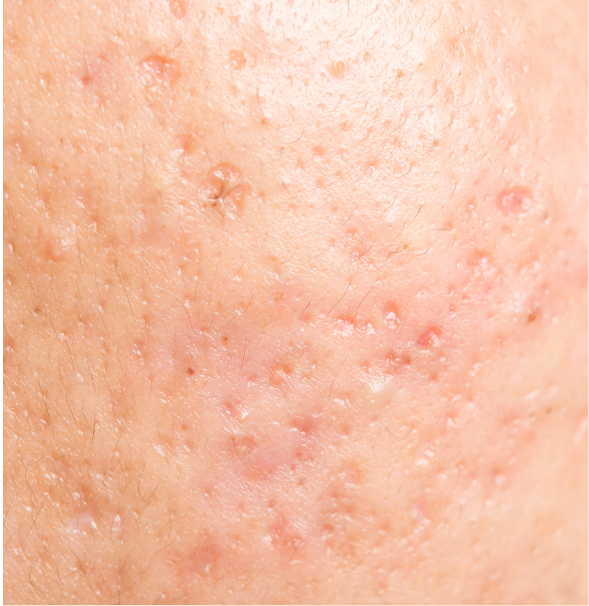
Boxcar scar
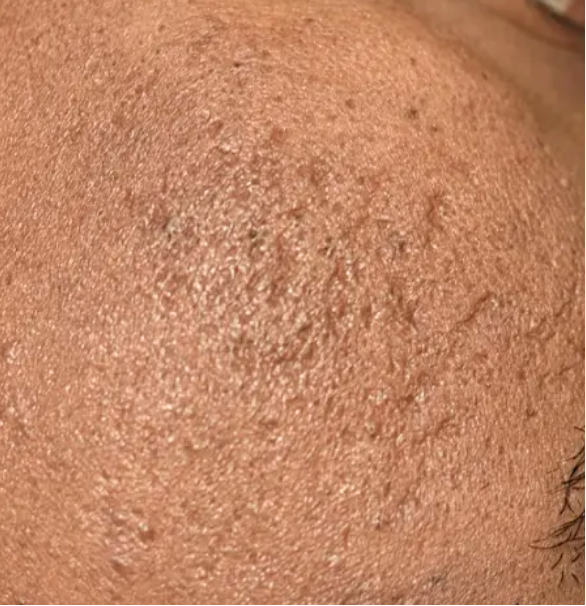
Ice pick scar
How does scar age affect results?
The age of a scar can affect how well it responds to treatment. Older scars are more established, the collagen and tissue changes have settled over time so they can be more resistant to improvement than newer scars. As a result, older acne scars often require a tailored approach, which may include multiple sessions or a combination of treatments to achieve noticeable results.
When should you see a dermatologist for acne scarring?
If your acne scars have persisted for months or even years, it’s worth consulting a dermatologist. Medical and cosmetic procedures can make a meaningful difference in treating red marks, brown pigmentation, and deeper atrophic scars such as rolling, boxcar, or ice pick scars, even years after they form.
A dermatologist will first assess your scar type, skin condition, and scar age to design a personalised treatment plan. Depending on your needs, this plan might include procedures like the Alma Hybrid™ laser, Secret RF microneedling, chemical peels, or microneedling. These treatments work by stimulating collagen production, resurfacing the skin, and improving texture, helping your scars gradually become less noticeable.
Understanding all your treatment options.
In addition to in-clinic procedures, your dermatologist may recommend supportive skincare, topical treatments, or oral therapies to enhance and maintain results. By combining these approaches, even older acne scars can show significant improvement, giving your skin a smoother appearance over time.
Our experienced dermatologists specialise in treating all types of acne scars, combining their expertise with the latest techniques and technologies. Book a consultation today to develop a personalised plan and start improving the appearance of your acne scars.