Tighten up your jawline.

Achieving a defined jawline no longer requires invasive procedures or painful recovery periods. We are one of the first clinics to bring EmFace Submentum to our patients, allowing them to experience the latest technology in skin tightening and facial contouring.


An example of how the EmFace submentum can reduce the appearance of a ‘double chin”

*Results courtesy of BTL Aesthetics


A well-defined jawline can create facial harmony by enhancing the balance and symmetry of facial features.

When your jawline is concealed by a double chin, this can alter the perceived shape and proportion of your face. A “double chin” is characterise by the stubborn pocket of fat beneath the chin, which can create an undesired rounded or sagging appearance. Despite our best efforts with diet and exercise, treating the submental area can be particularly challenging. This is because the presence of a double chin can be influenced by genetic factors which determine how your body stores fat.

How can the EmFace Submentum help?

The EmFace Submentum offers a unique approach to tightening up your jawline, setting it apart from other treatment methods. It combines HIFES™ muscle stimulation with synchronized radiofrequency to target the double chin comprehensively. This dual approach effectively tightens and tones both the skin and underlying muscles in the submental area without causing any discomfort to the patient.

The key features of EmFace Submentum:

  • Its precision allows for customisation of the treated areas, ensuring that every session is tailored to meet your individual needs.

  • You can start to expect gradual improvements in your double chin's appearance after just four sessions.

  • This treatment has zero downtime, allowing you to resume your daily activities immediately after treatment.

If you are seeking to achieve natural-looking and long-lasting results, EmFace Submentum is the treatment to try for an innovative jawline transformation experience. We are one of the first clinics to offer this treatment. Schedule a consultation today to be one of the first to experience this innovative facial contouring solution! Book your appointment now.


Do you have ‘Tech Neck’ Lines?

Your phone may be giving you neck wrinkles. Here’s what you can do to fix it.

The extended periods of time spent gazing downward on electronic devices could be causing subtle changes to your neck without you realising it. As you bend your head downwards to look at your phone or computer, this persistent posture places strain on the neck muscles and delicate neck skin. The repetitive straining motion can essentially weaken the skin's elasticity and collagen, making it more prone to wrinkling and sagging. Over time, this can lead to the progressive development of neck wrinkles and creases, also known as ‘Tech Neck.’

You may be wondering, how can we prevent the premature development of neck lines? 

Tech neck can be prevented through implementing the following methods:

  1. Neck Exercises: Stretching exercises targeted at the neck muscles can help improve posture and reduce strain on the neck.

  2. Maintain Good Posture: Avoid hunching over or tilting your head downward for extended periods.

  3. Take Breaks: Incorporate regular breaks into your screen time to give your neck muscles a rest and prevent prolonged strain.


There are various solutions available…

Neck Rejuvenation- Combination of treatments including skin needling, performed by Mike Clague Enrolled Nurse (EN, BSc), Enrolled nurse (Division 2), General Registration- NMW0001618803


If you find yourself among the many affected by 'tech neck,' rest assured that there are several procedures available to address this concern. Laser therapy, skin needling, radiofrequency treatments, and other rejuvenation methods offer effective solutions to tighten and smooth the skin on the neck and décolletage.

At the Dermatology Institute of Victoria, our team of skilled practitioners are highly experienced in addressing neck wrinkles and providing skin rejuvenation solutions for a variety of skin concerns. In the photo above, a combination of treatments were used to help improve the appearance of deep wrinkles on the neck. These results can be attained by the DIV team through a tailored series of treatments and personalised consultations aimed at meeting your unique skincare goals. Schedule a consultation with us today to discover how we can help you achieve your aesthetic goals and unlock a more radiant, rejuvenated appearance. Book now.

The Importance of Consistency in Achieving Glowing Skin

Skin needling has emerged as a highly sought-after skin rejuvenation treatment in recent years, offering transformative results for various dermatological concerns. However, one crucial aspect that is sometimes overlooked is the importance of undergoing multiple treatments.

This treatment involves the use of a device equipped with fine needles that create micro-injuries on the skin's surface. These controlled injuries stimulate the skin's natural healing process, prompting the production of collagen and elastin, which are essential for maintaining skin elasticity and firmness.

The Importance of Consistency.

While you may experience some initial improvements in your skin after a single skin needling session, the full benefits are typically noticed after completing a series of treatments.

Think of it as a fitness regimen for your skin – just as you wouldn't expect to see lasting results from a single workout session, the same principle applies to skincare treatments.

How does it work?

Skin needling is a gradual process that yields progressive results over time. Completing a series of treatments will help to continuously stimulate collagen production, leading to cumulative improvements in skin texture, tone, and overall appearance.

What skin concerns can skin needling address?

This treatment can address a wide range of concerns such as acne scars, age spots, fine lines, pigmentation, pores and uneven texture. Consistency maximises the results of these treatments by facilitating continuous improvement and maintenance of skin health. Come in for a consultation to create a tailored treatment plan for your skin concerns today.

Want to learn more about skin needling? Click here.

Transform your skincare routine with this new eye rejuvenation solution

Ready for a real solution to your under-eye concerns?

Eye creams have long been a staple in skincare routines for combatting common under-eye concerns, providing temporary hydration and some level of improvement. However, their effects are often limited and short-lived. If you're frustrated by the lack of significant results when dealing with stubborn issues like dark circles and fine lines, it may be time to explore a more effective solution.

Rejuran-I is an eye rejuvenation treatment new to the Australian market. This treatment goes beyond traditional eye creams to rejuvenate and revitalise the delicate under-eye area.

Here’s what you need to know:

Understanding the eye-area

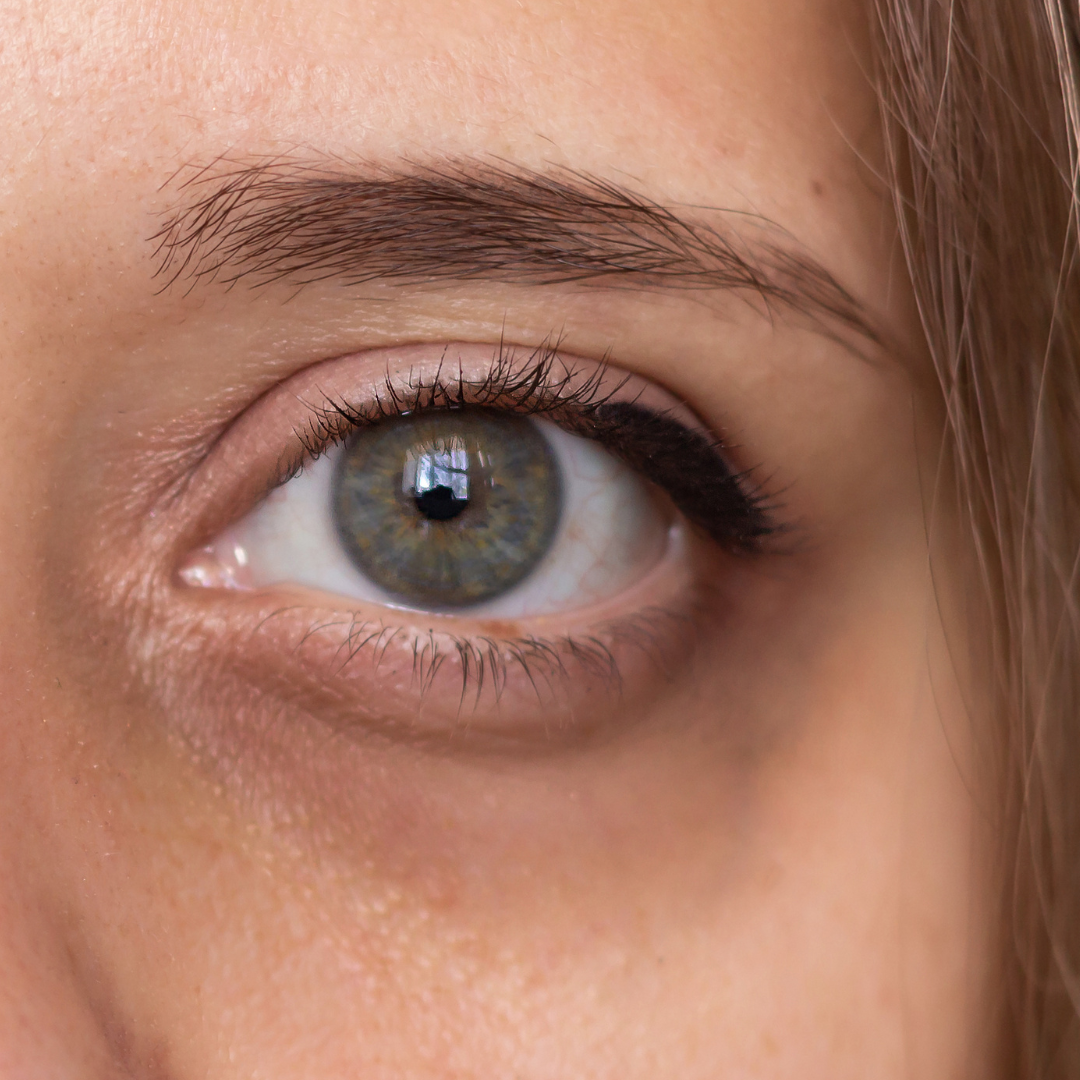
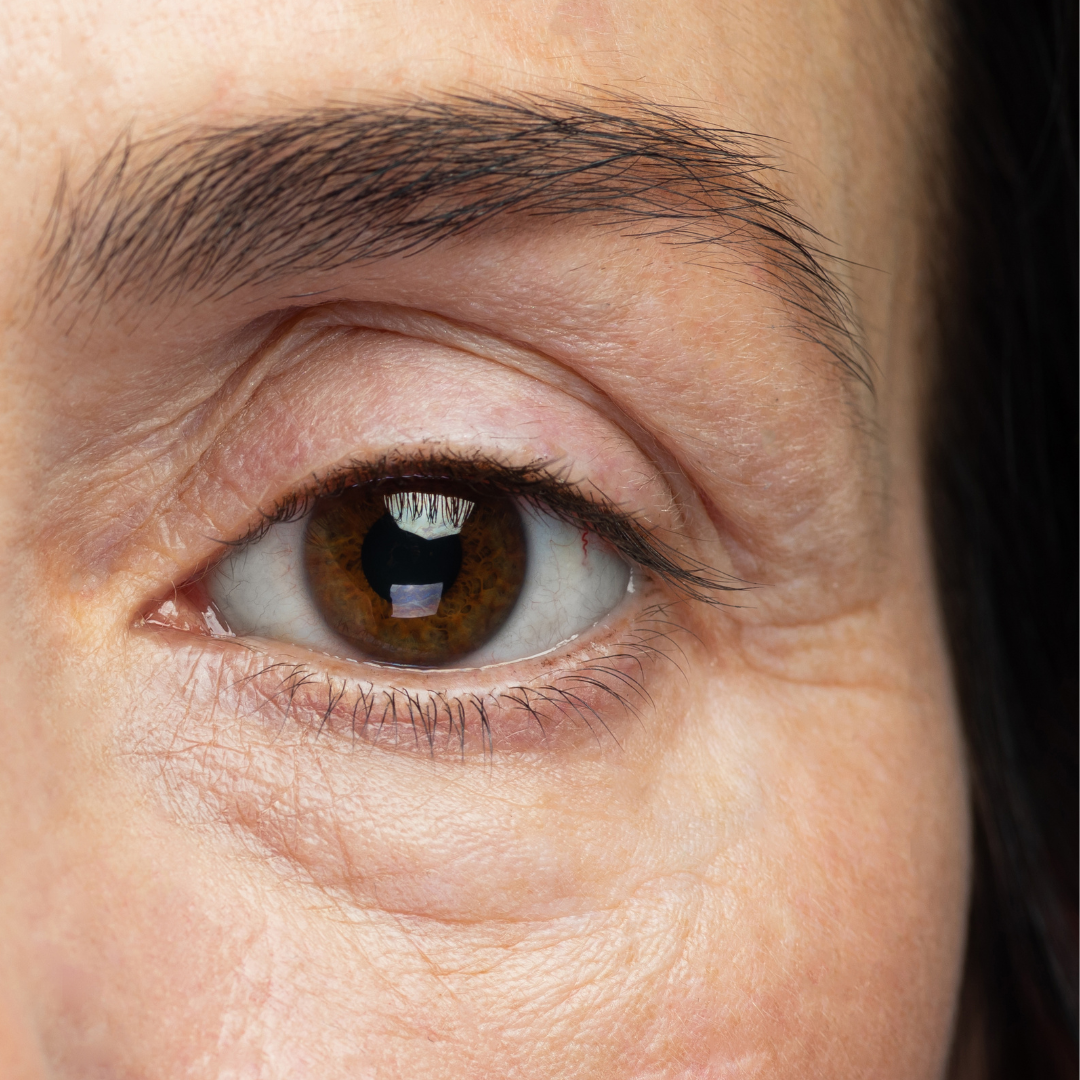
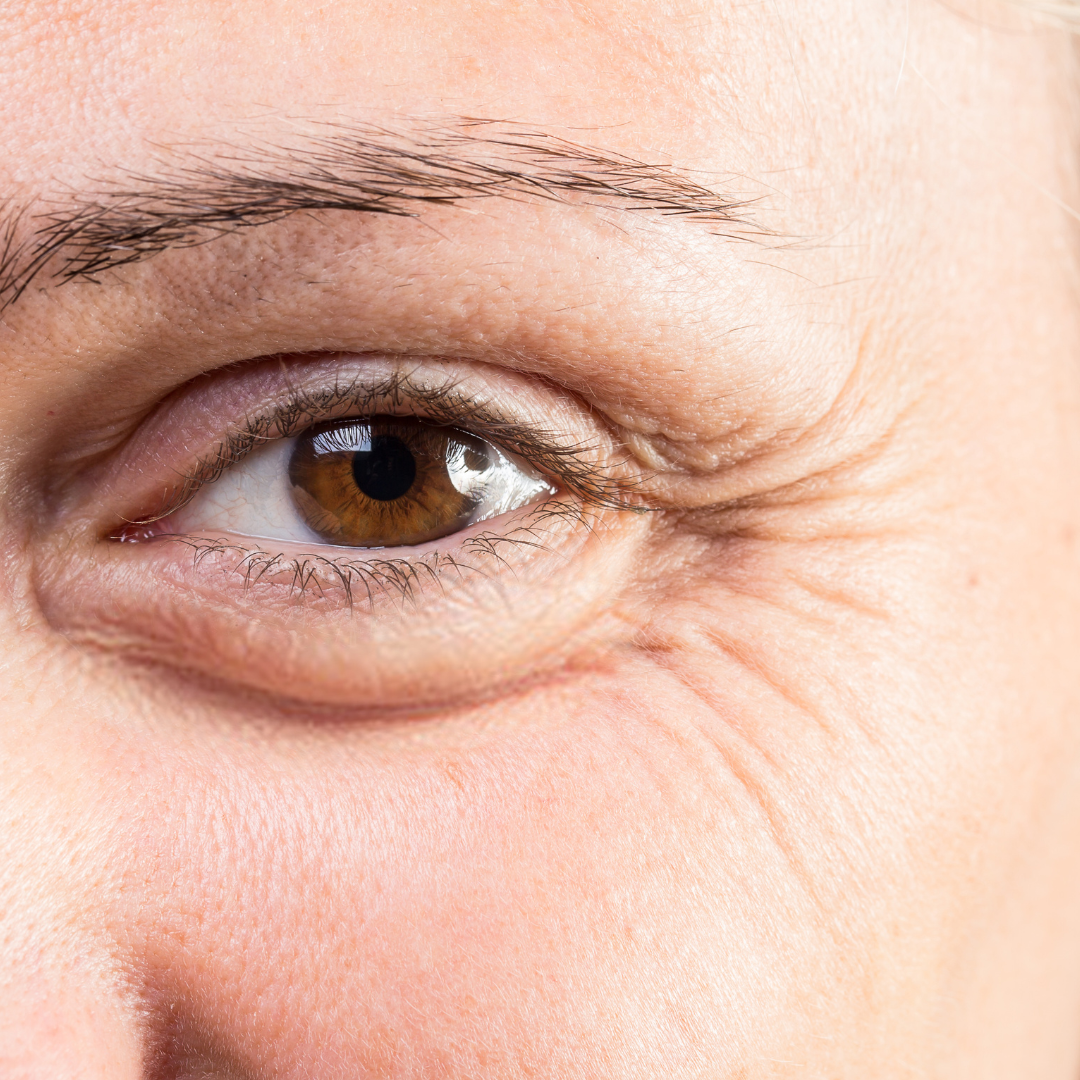
The skin around the eyes is the thinnest and most delicate on the face, making it particularly susceptible to signs of ageing and tiredness. Factors like genetics, sun exposure, and lifestyle habits can make concern like dark circles, puffiness, and fine lines worse. Unfortunately, traditional rejuvenation treatments often don't work well for addressing this sensitive area.


A Solution Beyond Eye Creams

Unlike traditional eye creams that merely hydrate the skin's surface, Rejuran-I contains polynucleotides (PNs) derived from salmon DNA, which have remarkable regenerative properties. This includes stimulating collagen production, promoting skin repair, and enhancing overall skin texture and tone- overall, working to target the root causes of dark circles, resulting in brighter, more rejuvenated skin.

Effective for tackling these concerns

The process explained.

Rejuran Eye targets the root cause of dark circles, brightening the under-eye area and reducing discolouration for a more refreshed look. It further helps alleviate puffiness by promoting lymphatic drainage and reducing inflammation, resulting in a smoother under-eye contour. Lastly, it stimulates collagen production and improves skin elasticity, helping smooth fine lines and wrinkles for a more youthful appearance.

Whether you're struggling with dark circles, fine lines, or puffiness, this treatment offers a safe and effective solution. Book your consultation today to learn more today. For more information click here


Has the recent humidity affected your skin? - We asked Professor Greg Goodman AM

First, we have to understand 'skin barrier function'

"The skin barrier is the delicate outer layer or ‘stratum corneum’ of our body and has similar permeability, thickness, and characteristics as a piece of glad wrap," says Prof Goodman. "It is important because it allows us to be terrestrial beings, keeping our insides in and protecting us from the outside environment."

"The skin barrier itself is a delicate balancing organ and starts off life down at the dermo-epidermal junction. The associated skin cells are somewhat communistic in nature; they give up life for the benefit of the body by dying slowly while they come up through the skin layers, becoming devoid of all living matter by the time they reach the surface."

"At this point, they are essentially sheets of interlocked keratin or ‘bricks’, and they stay this way until they are ready to shed. Between those ‘bricks’ are the ‘mortar’ or good oils – we’re talking cholesterol, free fatty acids, ceramides, and sphingomyelins"

(say 'ceramides and sphingomyelins' three times fast)

Goodman continues, "the whole transition from the base to the surface and then falling off the skin as individual cells is highly important as they take with them the allergens and microbes and all of the things you don’t want – a self-replenishing organ, if you like. Each part needs to operate in harmony with the rest to ensure a healthy skin barrier function."

"Another factor to consider is ‘trans-epidermal water loss’ which refers to gradual water loss through the skin tissue. Why is this important? You need 'good bugs' on your skin, and this process maintains a slightly acidic PH and critical level of humidity, fostering a mutually beneficial relationship, where the ‘good’ bugs keep out other nastier pathogens."

What can affect a healthy skin barrier?

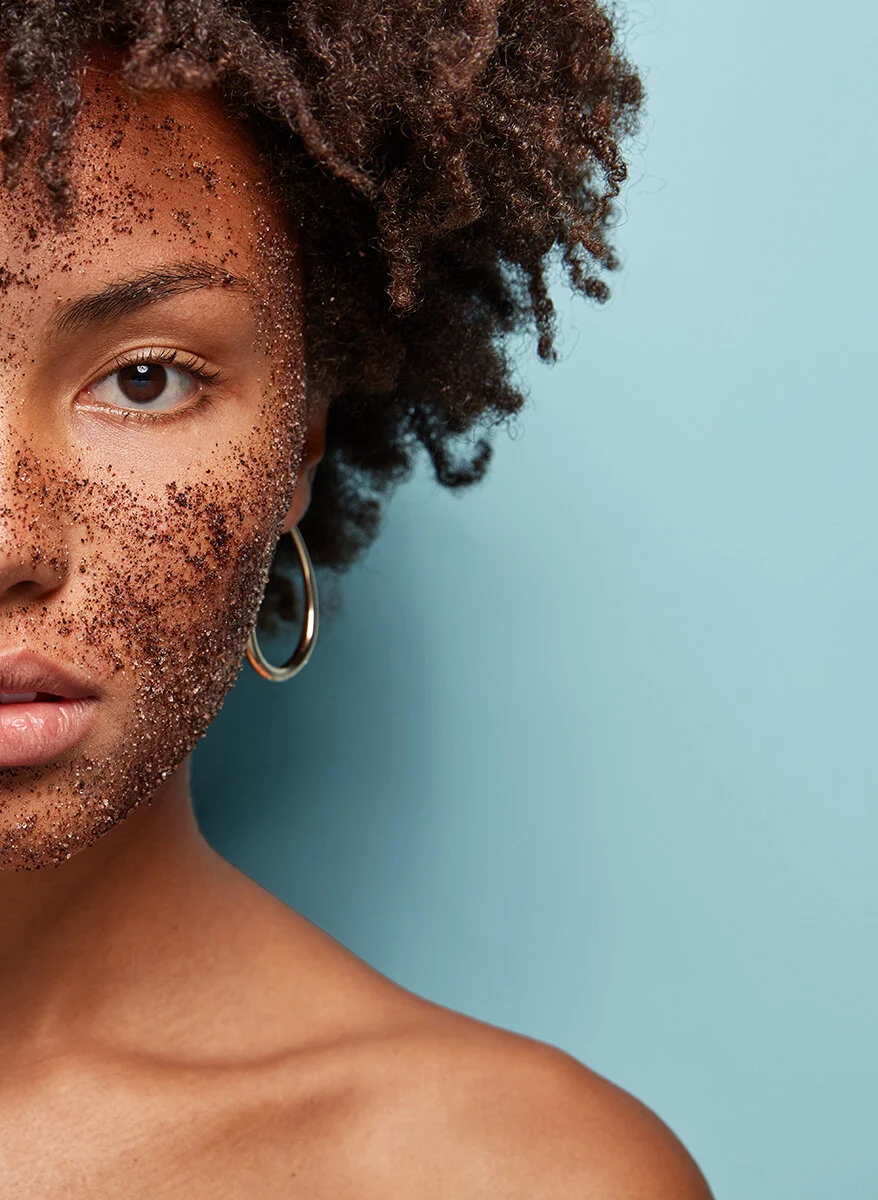
"Overzealous cleaning (such as with alkaline soaps), excessive exfoliation (particular physically) and other general lifestyle factors such as changing atmospheric conditions," says Goodman.


So, what about humidity?

Regarding humidity, the best way to see a change in skin barrier function is when someone translocates between climates of a vastly different nature – for example, moving between Darwin (humid) and Perth (dry).

Interestingly, common skin problems can arise from moving either way:

Acne – this can flare up moving from a dry to a humid environment.
Eczema – this can flare up with the opposite transition; humid to dry. This is of particular importance as we transition out of the current humid La Nina weather pattern in Victoria and into dryer Autumn and Winter conditions.

"Essentially, you can be a victim of where you live no matter the climate," says Goodman.

Sigh

To Victoria – our skin is used to living in dryer air. That is, we usually only see a handful of humid days through Summer, as hot desert air blusters in during our normal summer weather patterns. Currently, we’re seeing a lot of tropical weather being dragged down, giving us a summer more akin to Sydney or Brisbane's.

This is, however, not our first and certainly won’t be our last humid summer, so it begs the question – has anything else changed? Well, friends, that may come down to something much more recent in our history. Yes, we are talking about masks.

"Presentations of rosacea, acne and perioral dermatitis (bumps or dryness around the mouth area) have increased. We have also seen a lot of lip dryness – or cheilitis – recently," explains Goodman.

Now, this may seem counter-intuitive given the humidity but it may be that we are altering our skincare routines in an unhelpful way.

We’ve spoken about it before, and we will again – we need to adjust our skincare routine as the seasons change. To keep it simple:

In humid conditions -

Decrease the base – changing the consistency of your base from ointment to cream, cream to serum, strong chemical exfoliant to gentle cleanser, etc. is the most helpful change you can make.

Increase your actives – when our skin is not facing dry air, it is more adept at dealing with stronger active skincare; we’re talking retinols, niacinamides, and the like.

In dry conditions -

Maintain your base – you want to increase the moisture so the atmosphere can’t steal it. This of course depends on your skin type; most people will find moving from a hydrating serum to an ointment will cause their skin to get a little angry.

Reduce your actives – as the dry air strips away the natural moisture of your skin barrier, it is less able to cope with the stress of active skincare. Now don’t let that scare you away from active skincare entirely – they are crucial in maintaining an active and healthy skin barrier, however, in dryer conditions, it is easier to overdo it.

The cause of many cases of skin sensitivity might surprise you

We have noticed that many people are visiting us at DIV with complaints of increased skin sensitivity.

Want to hear a shocking truth?

You might actually be the cause, simply by overusing certain ingredients and products

DIV Dermatologist Dr Katherine Armour recently chatted with Mamamia’s Erin Docherty to break it down -


AdobeStock_246161672 COPY.jpg

First up, sensitive skin - Is it possible for your skincare routine to make your skin more sensitive?

100%! Symptoms and causes of sensitive skin obviously differ between individuals (underlying issues like eczema and such can trigger sensitive skin), skin experts are now noticing a lot of 'man-made' sensitivity going on.

The main culprits? Physical exfoliation, foaming cleansers and toners.

AdobeStock_249778085 COPY.jpg

"We have become obsessed with exfoliation as if it is something that we need to do to avoid all the perceived evils that could befall our skin (dullness, dryness, congestion)," says Dr Armour.

this might be big news to a lot of people

"I believe physical exfoliants are completely unnecessary. They temporarily smooth the skin by removing the dead upper layer which will slough away on its own. In doing so, physical exfoliants, particularly if used too often, will disrupt the skin barrier, leading to irritation and sensitivity."

"In terms of harsh skincare, foaming cleansers and toners are the main culprits. When used over-zealously they too upset the epidermal barrier, stripping precious lipids and leading to 'man-made' skin sensitivity."

So what’s the best option moving forward?

"The main way to ensure a glowing complexion is by supporting your skin's precious barrier with nourishing moisturisers, B3 and B5 topically, and by targeting brown spots and pigmentation with appropriate cosmeceutical ingredients," she said.

Armour said chemical exfoliants (AHA’s and BHA’s) are appropriate in those without sensitive skin to smooth and decongest, but these kinds of ingredients are to be used with care (one to two products a day, maximum).


This article was adapted from an article originally published by Mamamia - https://www.mamamia.com.au/man-made-sensitivity-causes-behind-sensitive-skin/

A chat with Prof. Greg Goodman on Excessive Sweating

It is estimated that about 3% of people suffer from a condition called hyperhidrosis, where they sweat much more than they need to — having implications on their quality of life.

We sat down with DIV director and head dermatologist Professor Greg Goodman to discuss options and treatment for excessive sweating.

Excessive Sweating Blog Banner1.jpg

Q: What exactly is deemed “excessive” when talking about sweating? 

GG: People who suffer from excessive sweating are a different group to those who have normal sweating. Their levels are significantly above the population. There is a scale called the IHHS scale, which defines people into 4 groups, with 3&4 being sweating that interferes with daily activity. People take extraordinary measures for this type of sweating, including only wearing certain types of clothing, utilising air blowers in restaurants and cafés, putting paper towel under their armpits and avoiding shaking hands with people.


Q: Are there any Medical conditions that cause hyperhidrosis?

GG: Yes. Diabetes, menopause, thyroid disease and anxiety can all induce sweating. This is slightly different to focal hyperhidrosis, the more typical problematic and common sweating that we are discussing here. Sweating, if it comes on later in life can be a sign of internal malignancy or autoimmune disease and needs to be investigated. However, most hyperhidrosis common forms occur either in late childhood and early adolescence and are consistent through adult life.

Interested in finding out more? Give our clinic a call during business hours on (03) 9826 4966 - remember, we’re closing between 23/12 and 5/1!)

Excessive Sweating Blog Banner2.jpg

Why is collagen so important?

‘Collagen’ has become one of those buzzwords that marketers have used increasingly to promote products and treatments across the dermatology and skin care product fields. But what is it and what does it do?

Let’s break it down

Collagen naturally occurs throughout the body and is made up of amino acids.  In fact, it is the main structural component that determines how well our bodies retain their shape and firmness as we age – it actually makes up around 30% of the body’s total protein.

Collagen by age copy.jpg

So that’s the basic science - what about the cosmetic benefits? 

Collagen plays a huge role in the way our skin looks and feels, providing firmness and shape and assisting in giving a youthful appearance and ‘glow’. Collagen rests under the surface layer of the skin where it forms a scaffolding that, combined with elastin, helps the surface layer retain its structure and accommodate movement without wrinkling. 

Like all bodily systems, collagen production slows down over time. Not only does the body make less of it as we age, but what does remain becomes weaker due to lack of support. As a result, it begins to break down, which can result in a variety of changes including wrinkles and sagging skin.

A lot of topical skincare products claim to contain collagen to help with skin appearance and health – is that true?

When topically applied in a cream or serum, collagen molecules are simply too large to penetrate the skin's surface, meaning you unfortunately can’t boost levels in the skin this way.

Collagen Blog Imagery .jpg

So can we increase or at least maintain our body’s collagen levels in other ways?

The good news is that there are numerous treatments available to assist in increasing the density of and strengthening your collagen layer. You may have heard of such treatments as Ultraformer III, Venus Viva or microneedling – as everyone is different and consequently have different needs, your practitioner will be best able to advise on which of these or else other treatment options will work best for you.

The take-home message? collagen structure and production contributes a great deal to your skin texture, look and feel. Boosting your collagen levels can be a great way to maintain or rejuvenate your skin.

Let’s talk about - Ultraformer III  

Ultraformer (also known as High Intensity Focused Ultrasound) is one of our most popular treatment requests at DIV. It promotes collagen production and renewal in the deep layers of the skin to resolve the appearance of wrinkles, sagginess and pigmentation.

AdobeStock_331771237b.jpg

How does it work?

The Ultraformer III machine uses ultrasound technology to tauten and lift loose or drooping skin, decrease the appearance of lines and wrinkles and improve the shape of the areas such as the jawline.

The machine utilises precision micro-focused and macro-focused High-Intensity Focused Ultrasound (HIFU) energy to instantly contract collagen fibres and induce a process known as neocollagenesis. This promotes long-term collagen production for a natural, lifted look without the downtime.  

Hang on, why do I need collagen?

Collagen is what preserves our skin’s youthful strength and elasticity. From our mid to late twenties, our skin starts to produce 1% less collagen each year, and even less so in the years leading up to menopause. Less collagen can lead to skin laxity and wrinkles.

What does it treat?

Screen Shot 2020-11-30 at 5.53.16 pm.png

The Ultraformer III can be used to treat a wide variety of areas. The most popular treated areas however tend to be the neck, jawline, cheeks, nasolabial folds and eye area.

Ultraformer III is also commonly requested for other areas of the body such as the abdomen and upper arms. Further, many women look to the Ultraformer to help minimise the effects of pregnancy by getting abdominal tightening treatments.

What are the main benefits?

Screen Shot 2020-11-30 at 5.53.31 pm.png
  • No Downtime: Unlike many procedures there are few following treatment.

  • Targeted: The Ultraformer III is incredibly precise so can treat areas that are delicate (the eyes) or areas difficult to target (neck and jawline).

  • Immediate Results: The heat generated by the ultrasound pulsations has an immediately noticeable skin tightening effect.

  • Ongoing Results: An increase in collagen will occur gradually over 3-6 months following the initial treatment.

  • Natural Results: By naturally stimulating your body’s own collagen production the results look entirely natural.


Call div to discuss ultraformer III and how it can help you on (03) 9826 4966